The Quiet Work of Learning
As parents, you see your children changing every day. Some changes are obvious like the learning of a new word, new skills, a new found confidence. Others happen quietly in the background, shaping how your child understands the world and their place in it.
As a Christian learning community, we believe that every child has been intentionally created with a mind designed for growth. Their curiosity and capacity to learn are gifts from God, and understanding how those gifts develop helps us support each child with wisdom and care. When we explore how learning works, we equip ourselves to nurture their development in ways that honour the unique design God has given them.
Throughout my reading and professional learning, I have repeatedly encountered the same core ideas about how children learn most effectively. These ideas point to five key areas that shape how children learn and grow. We first look at the theory behind each one and then offer practical ways parents can support learning at home:
PLAY: The Foundation of Learning
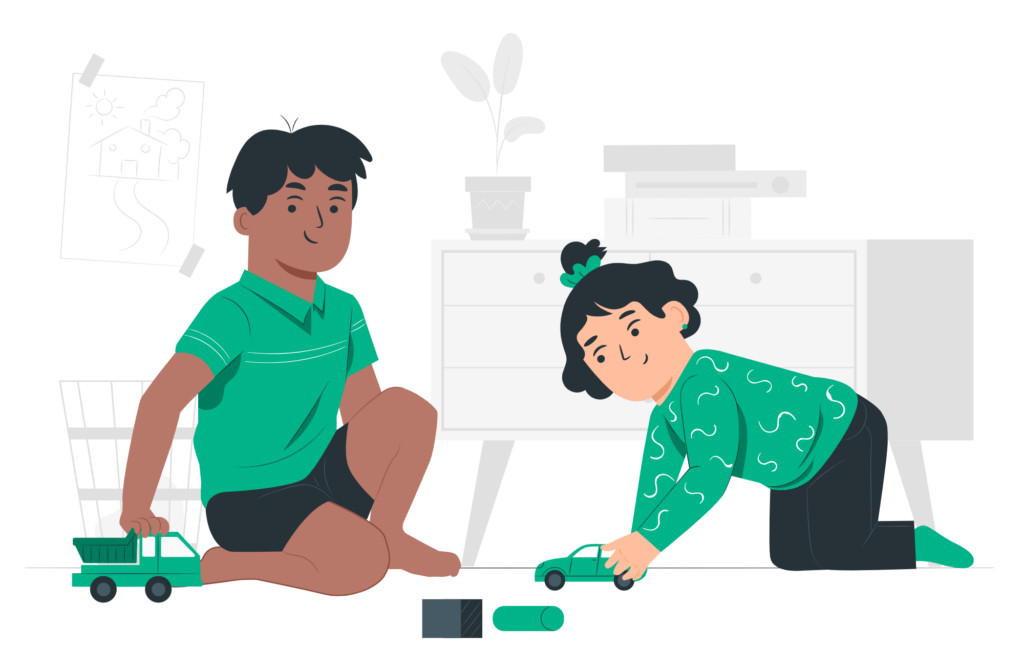
Play isn’t just fun, it’s the core way young children learn. Through play, children build social skills, confidence, resilience and creativity. They explore ideas, solve problems and make sense of their world.
At home, providing time, space and simple open‑ended materials helps children’s learning flourish far more than expensive toys or screens.
ATTENTION: Building Focus Over Time
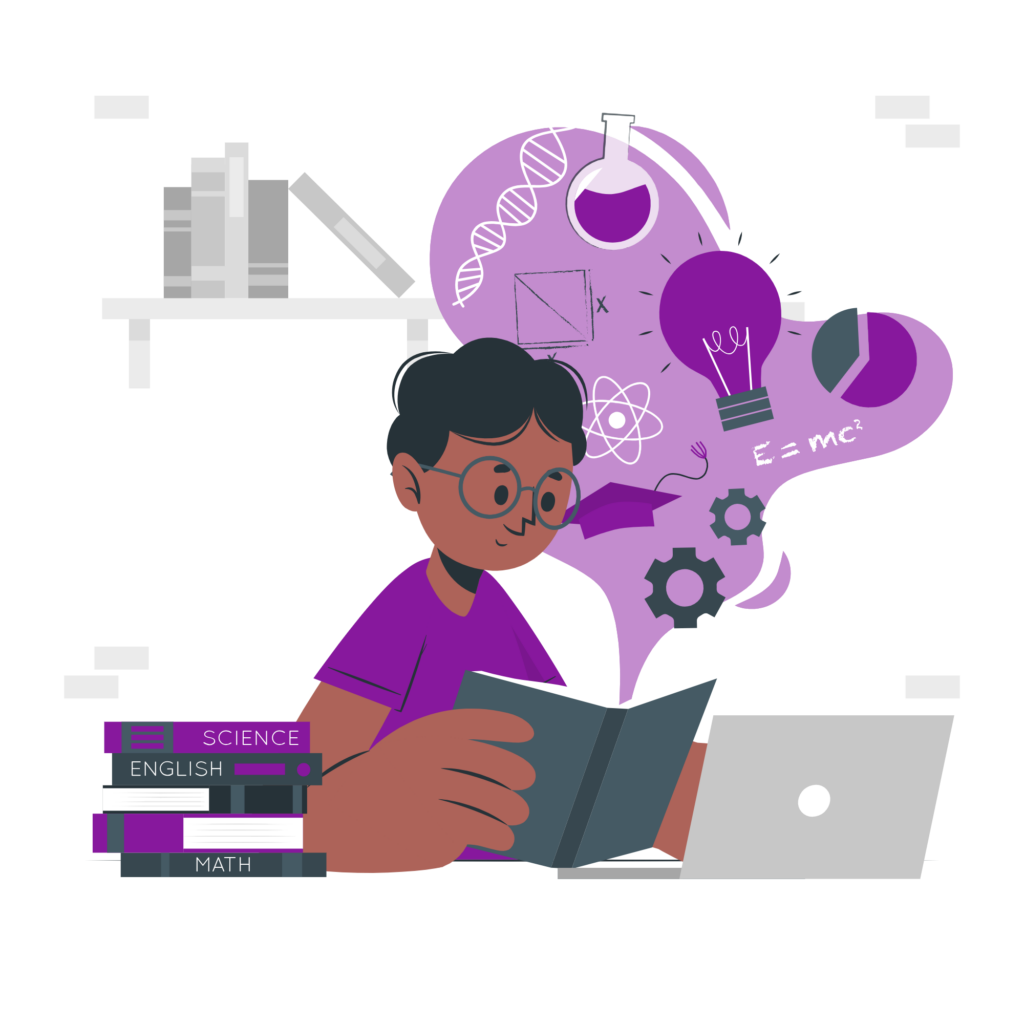
Children are still developing the ability to focus, and this skill grows slowly throughout childhood. Short, intentional bursts of learning are far more effective than long stretches.
Parents can help by creating calm, distraction‑free spaces and establishing predictable routines that support growing concentration.
TYPES OF KNOWLEDGE: What Children Grow Naturally vs What They Must Be Taught
Children come wired to learn some things naturally – movement, communication, social cues. This is called biologically primary knowledge.
Other skills, like reading, writing, maths or factual knowledge, must be taught. This is biologically secondary knowledge.
Rich early experiences like conversation, play and movement give children the foundation they need for later academic success.
VOCABULARY: The Key to Future Learning
A child’s vocabulary is one of the strongest predictors of school success. Children learn words best through real, back‑and‑forth conversations, not passive listening.
Talking together, reading aloud, exploring new words and sharing stories all help build both receptive and expressive language.
CONNECTIONS: How Children Make Sense of Their World
New learning sticks when children can link it to something they already know. These mental networks, called schema, grow stronger when adults help children notice patterns, similarities and connections.
Simple prompts like “Remember when…?” or “This reminds me of…” help children build rich, meaningful understanding.
Want to Learn More? Listen to Our Podcast!
Families who would like a deeper look at what we’ve explored in this fortnight’s newsletter are invited to click the link and listen to our newest podcast episode.
Creativity, Curiosity and Commitment in Year 5
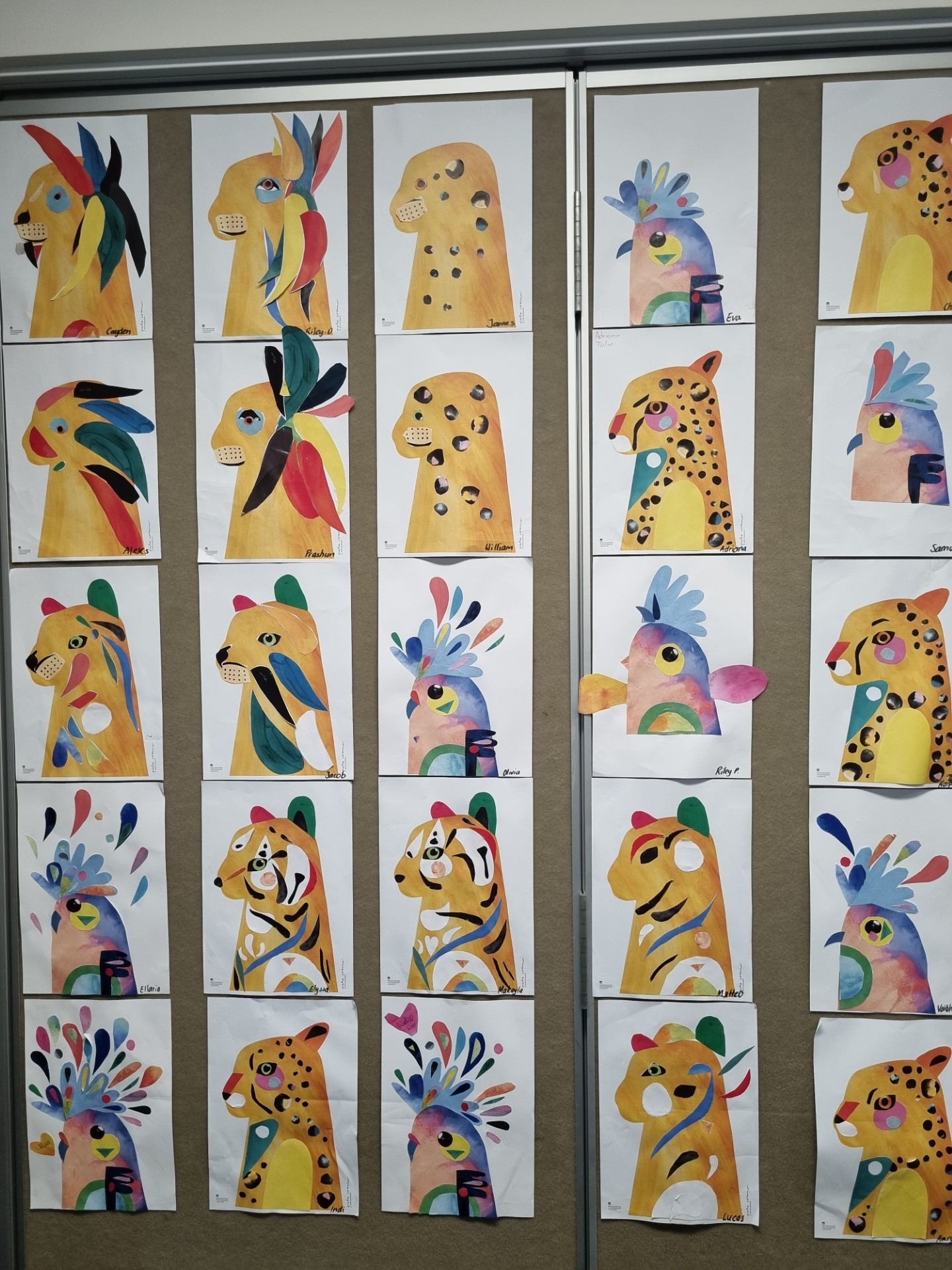
Year 5 students have been actively engaging in a range of rich learning experiences this term. In Creative Arts, they are developing their sewing skills as they design and create Pete Cromer-inspired soft toys. This has been a challenging process, requiring patience, persistence, and a willingness to embrace a new skill.
In English, students are finalising their narratives, carefully editing and publishing them as typed stories. Across all areas, we continue to encourage curiosity and a strong commitment to learning, with students applying themselves thoughtfully to new challenges.
Speaking Up Through Art in Year 6
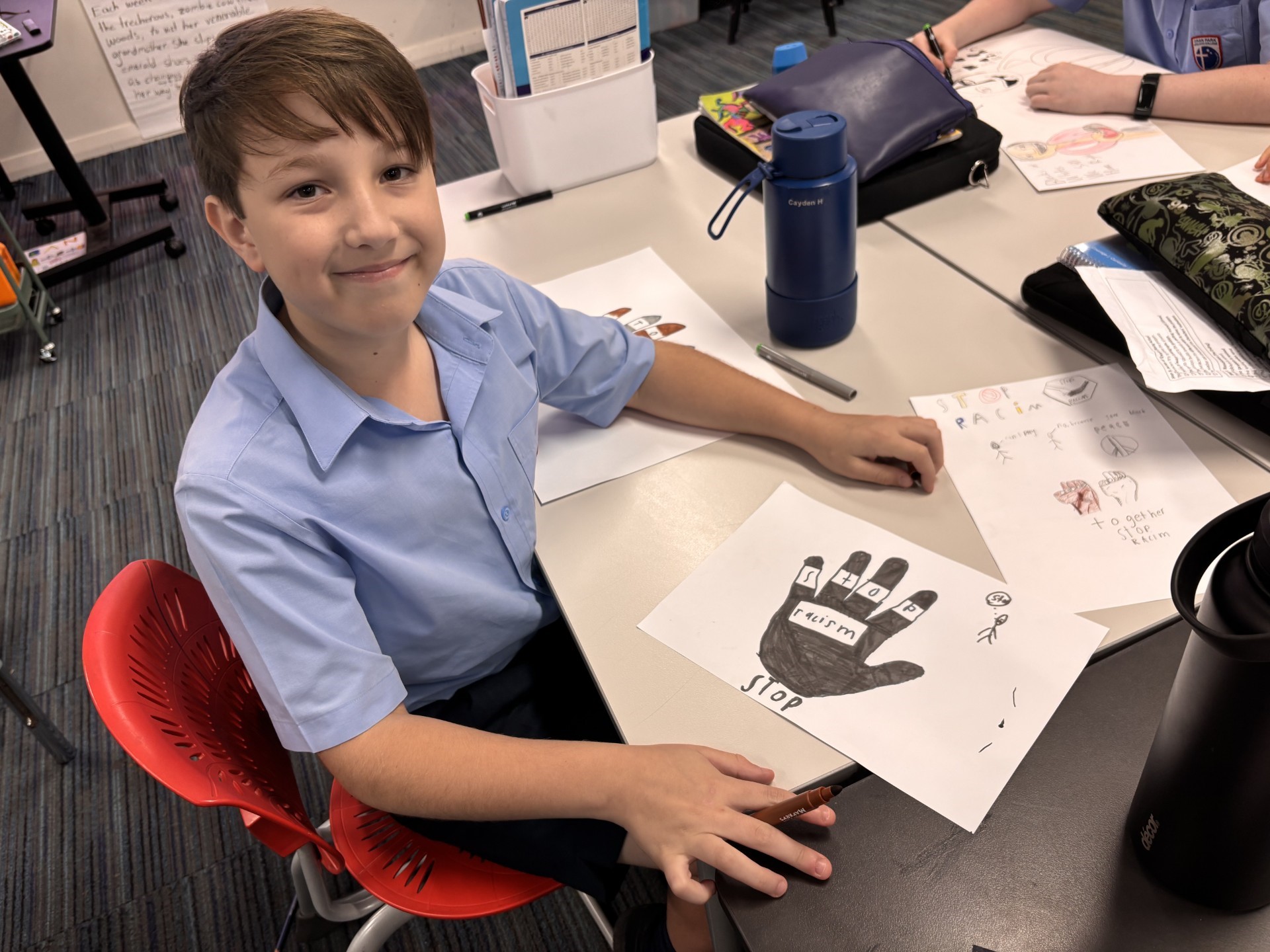
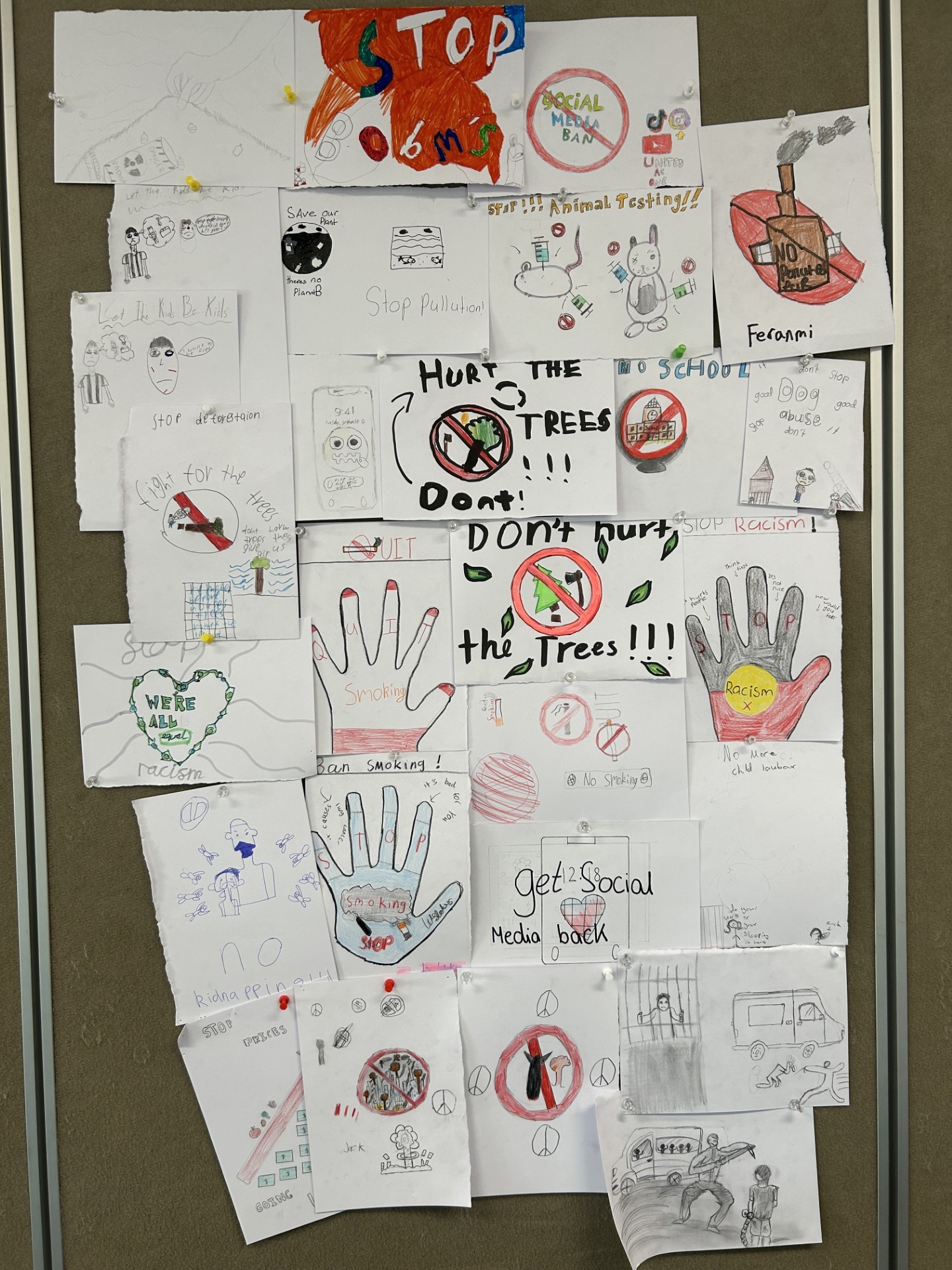
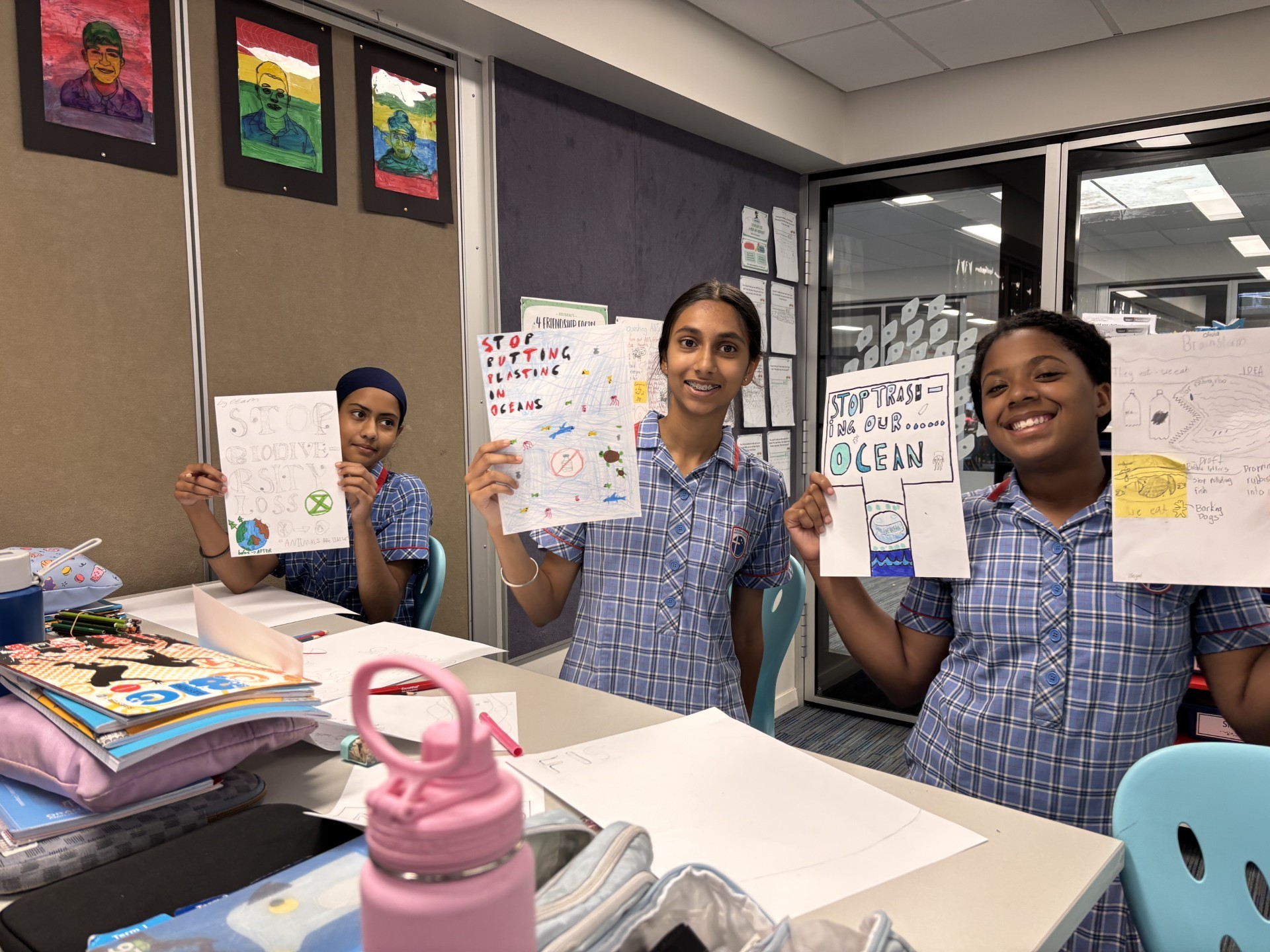
This term, our Year 6 artists have been diving into the bold and exciting world of protest art! We have been looking at how creative voices, from modern icons like Keith Haring to powerful Aboriginal artist Richard Bell, use art to stand up for what matters.
Students have been investigating and designing their own protest posters on an issue they care about, experimenting with drawings, painting or colour to make their message pop. We have been able to reflect on how artists share their ideas, beliefs and views about the world through their work. It’s shaping up to be a vibrant and expressive start to the year!
Enrichment: Learning Beyond the Classroom
A famous and esteemed ballerina named Anna Pavlova once said, ‘Success depends in a very large measure upon individual initiative and exertion and cannot be achieved except by a dint of hard work.’ Success doesn’t just fall into our lap. Success isn’t luck. To be successful, a choice needs to me made. To be successful, we must make the effort, take the risk and accept the difficulty.
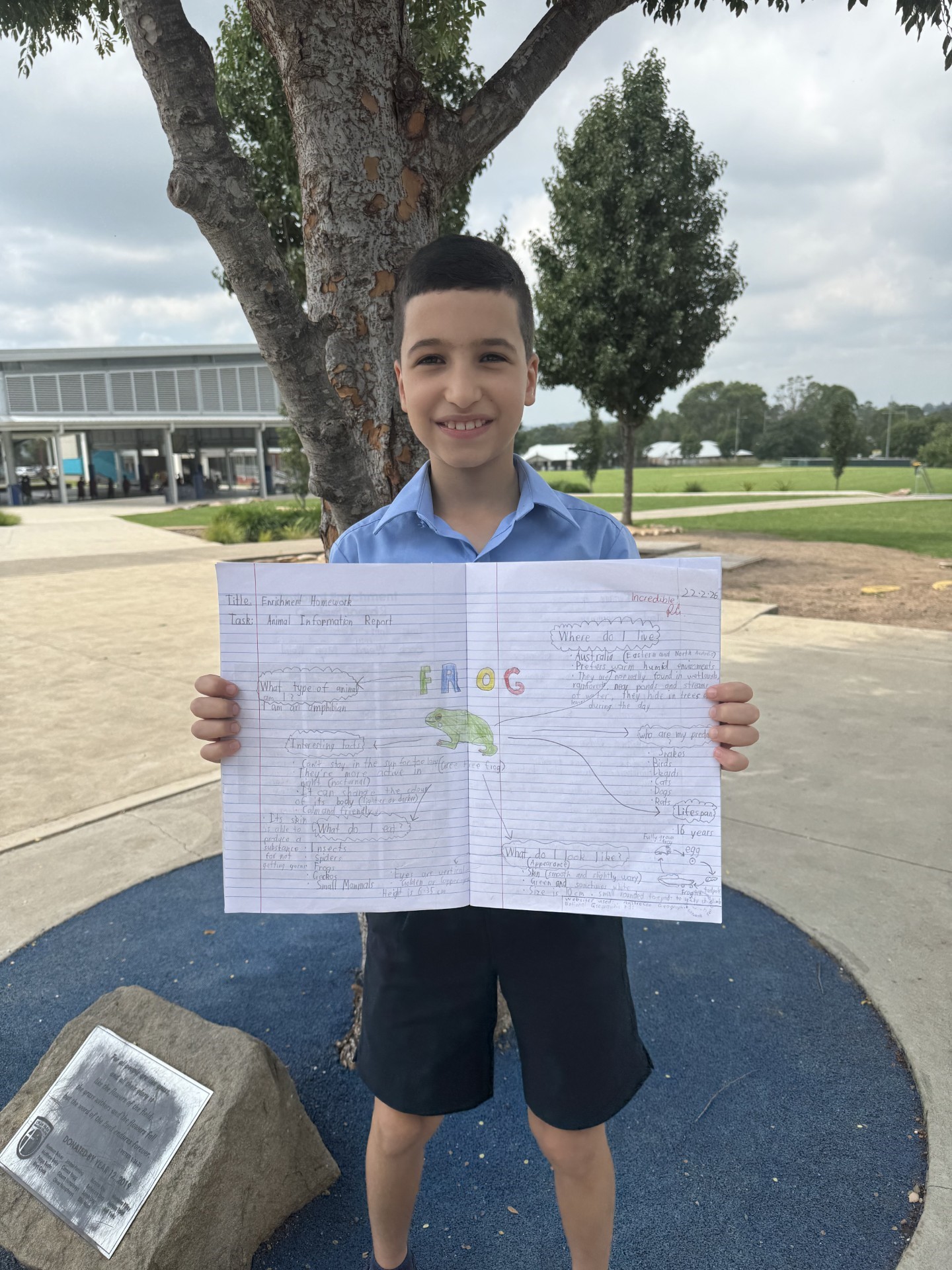
I had the pleasure recently to be shown a piece of work from a student named Alessandro in Year 4. On his own initiative, he followed a thread of curiosity in his own mind and explored it. He researched, noted things down, displayed his thinking and planned out how he would demonstrate his findings and then finally created his very own informative text all about Green Tree Frogs. His published version was impeccable – it was neat, well-presented, with clear paragraphs, correct spelling and lots of detail which all accumulated into a brilliantly communicated piece.
When we talk about powerful learners and what it takes to be a powerful learner, this is what we are pitching for all our students. Students who approach their learning with wonderment and awe, students who can review, revise and make connections to create and craft something originally wonderful that they themselves are proud of. The capacity is in us all – sometimes all it takes is a lead pencil, a dream and someone else to believe in us so we can, too.
Congratulations, Alessandro. You are a leader to your peers, and we are excited to see what is next for you in your learning journey!
God bless,
Mrs Kathryn Watkins
Deputy Head of Junior School – Teaching and Learning