10 best books for children at every age
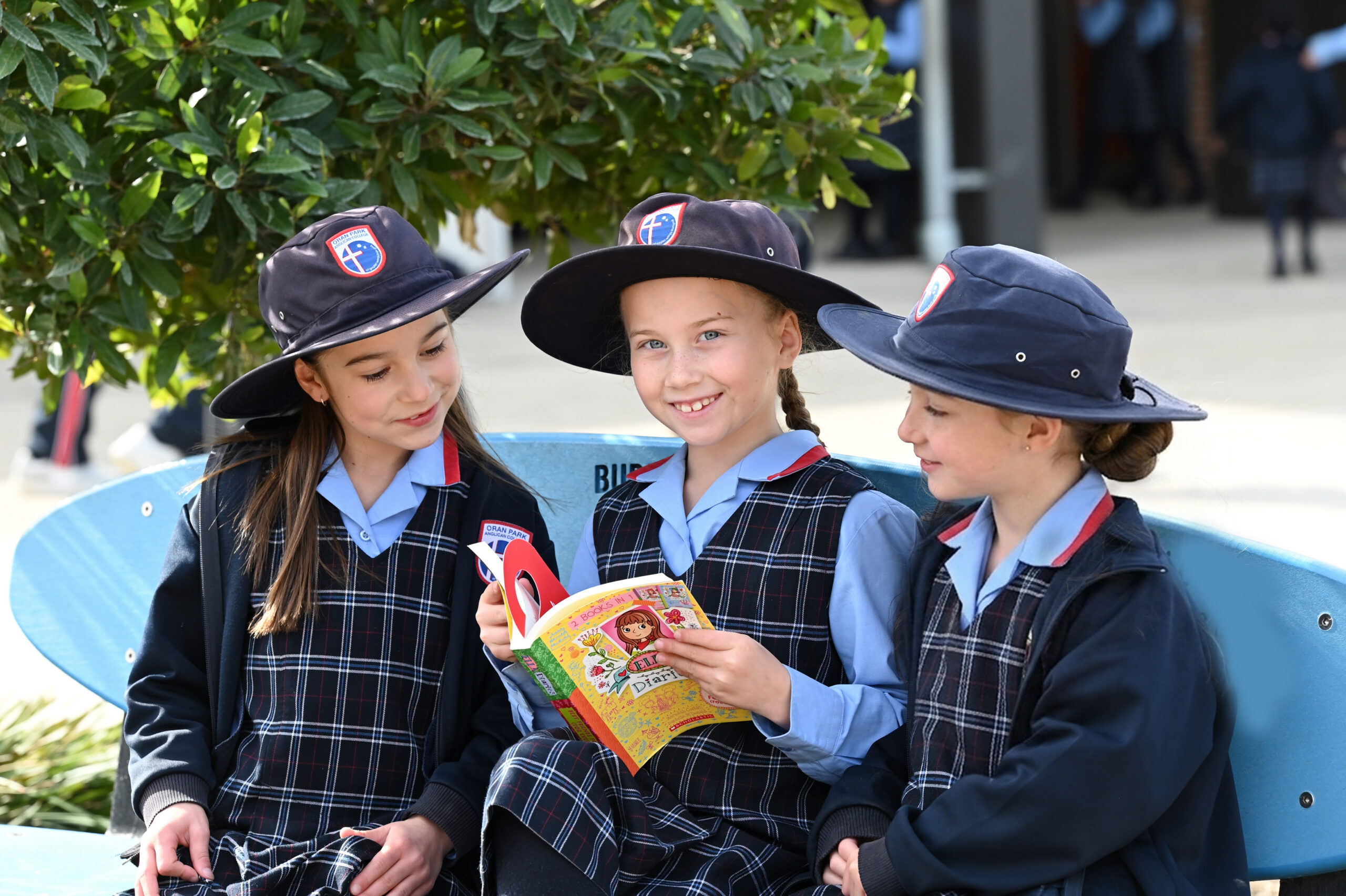
Finding the best books for children is one of the most powerful ways parents can support learning, wellbeing and imagination from Kindergarten through to Year 12. Reading does far more than build literacy skills. It shapes thinking, strengthens relationships and opens doors to new ideas, cultures and perspectives.
In Australia, research continues to reinforce this. The Australian Council for Educational Research (ACER) has consistently found that students who read regularly for pleasure perform better in literacy and across other subjects. Similarly, the Grattan Institute reports that early reading habits are strongly linked to long-term academic success, particularly when supported at home. These findings highlight not only what children should read, but how families can actively foster a reading culture.
This guide explores age-appropriate recommendations alongside practical strategies to help parents confidently choose or help choose the best books for children at every stage.
Why reading matters more than ever
Reading is no longer just about decoding words on a page. It is about comprehension, empathy and critical thinking. In a digital world, sustained reading helps children slow down and engage deeply with ideas.
Australian studies, including findings from the National Assessment Program – Literacy and Numeracy (NAPLAN), show a clear gap between students who read frequently and those who do not. Regular readers develop stronger vocabulary, improved concentration and better writing skills.
Beyond academics, reading builds emotional intelligence. Stories allow children to explore complex feelings in a safe and structured way. This becomes especially important during adolescence, when identity and social understanding are still forming.
The key lies in making reading both accessible and enjoyable. Children who associate books with curiosity and comfort are far more likely to continue reading independently.
Kindergarten to Year 2: Building the foundation
At this stage, reading should feel joyful, interactive and shared. Children benefit from repetition, rhythm and visual storytelling. Picture books remain essential, even as early readers begin recognising words independently.
Australian classics such as Possum Magic by Mem Fox and Wombat Stew by Marcia Vaughan provide cultural familiarity while reinforcing language patterns. International favourites like The Very Hungry Caterpillar by Eric Carle continue to support early comprehension through simple structure and strong visuals.
Parents often ask how to choose at this level. Focus on books that invite participation. Stories with rhyme, predictable phrasing and engaging illustrations encourage children to join in. Reading aloud remains critical, even for confident early readers.
Consistency matters more than complexity. A short daily reading routine builds confidence and creates a lasting habit.
Recommended reads (K–Year 2):

Anatole
by Eve Titus

Miss Rumphius
by Barbara Cooney
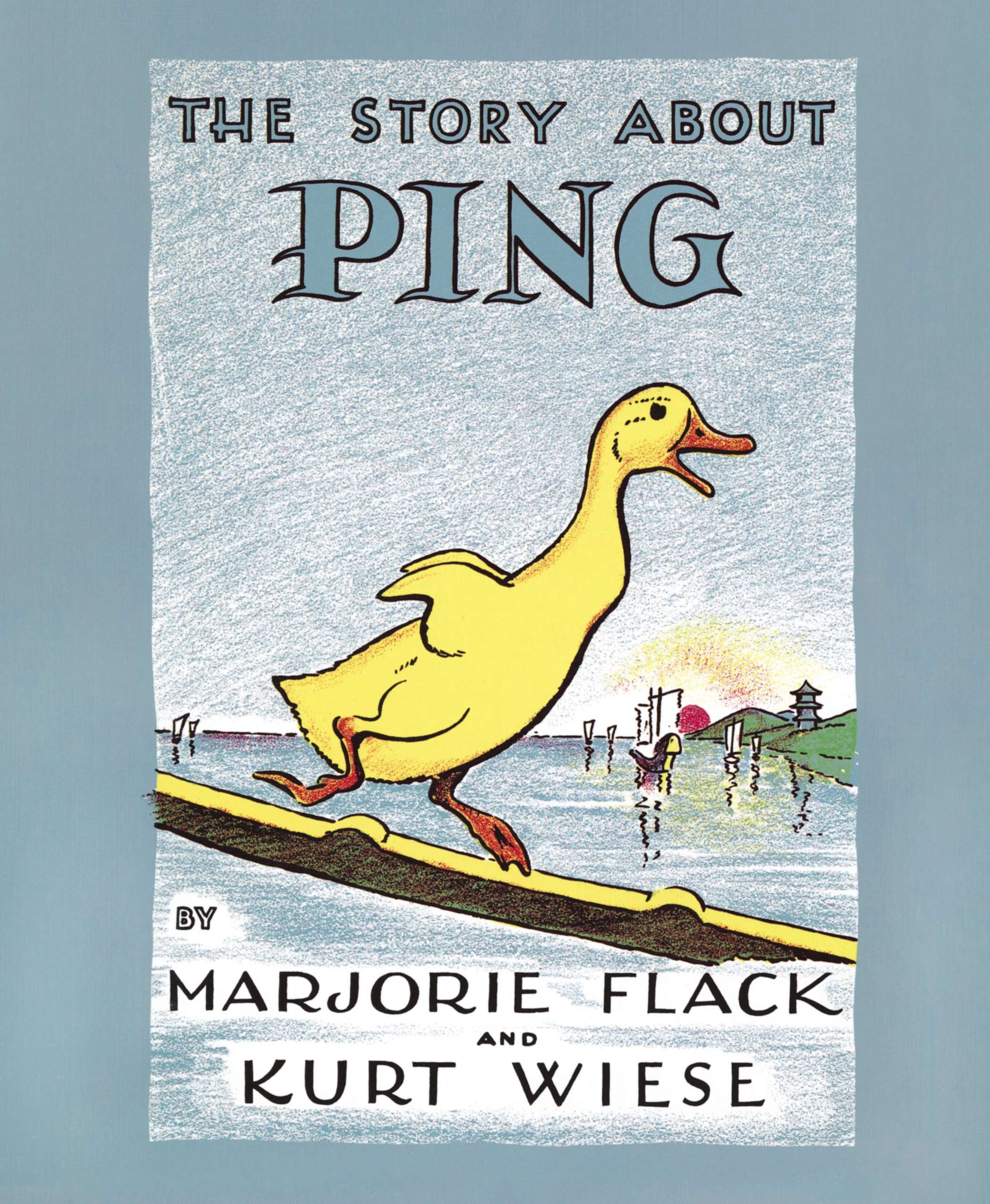
The Story of Ping
by Marjorie Flack

Blueberries for Sal
by Robert McCloskey

The Tale of Tom Kitten
by Beatrix Potter
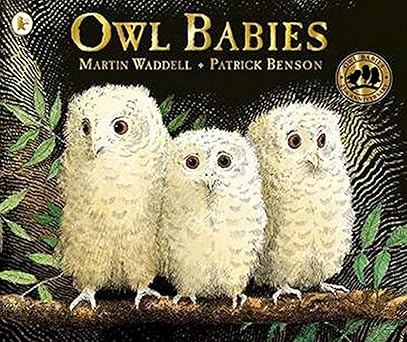
Owl Babies
by Martin Waddell

The Lion Inside
by Rachel Bright
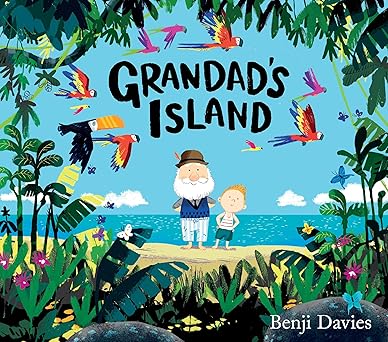
Grandad’s Island
by Benji Davies

The Snail and the Whale
by Julia Donaldson
Koala Lou
by Mem Fox
Years 3 to 6: Growing independence and curiosity
As children move into primary school, their reading expands rapidly. They begin to explore longer narratives, chapter books and early series. This is where choice becomes important.
Popular Australian titles such as The 13-Storey Treehouse series by Andy Griffiths and Terry Denton capture humour and imagination. These books appeal to reluctant readers while still developing comprehension skills. For those drawn to adventure and fantasy, Rowan of Rin by Emily Rodda offers rich storytelling with accessible language.
At this stage, parents should encourage variety. Mixing fiction with non-fiction can spark new interests. Books about science, animals or history often engage children who may not initially gravitate toward traditional stories.
One effective strategy is to let children abandon books they do not enjoy. This may feel counterintuitive, but it reinforces the idea that reading is a personal experience. When children have ownership, they are more likely to persist.
Importantly, family reading should not stop here. Shared reading discussions help children process themes and deepen understanding.
Recommended reads (Years 3–6):
The Family Under the Bridge by Natalie Savage Carlson
by Eve Titus
The Courage of Sarah Noble
by Alice Dalgliesh

The Door in the Wall
by Marguerite de Angeli
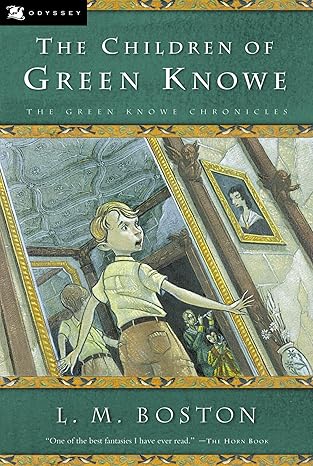
The Children of Green Knowe
by Lucy M. Boston

Heidi
by Johanna Spyri
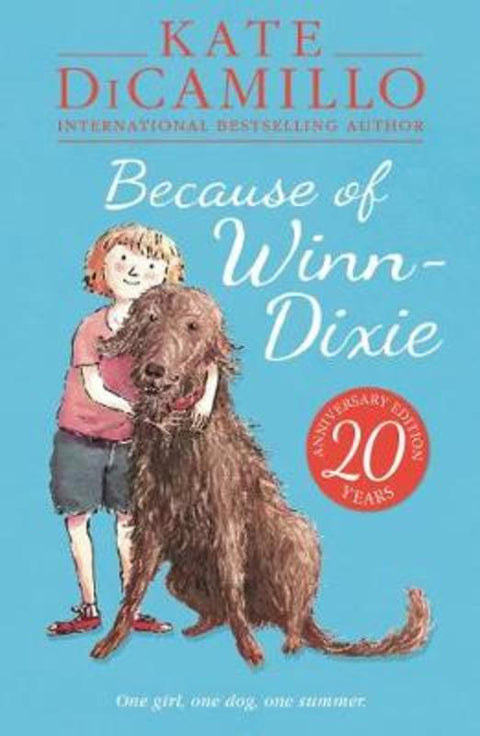
Because of Winn-Dixie
by Kate DiCamillo
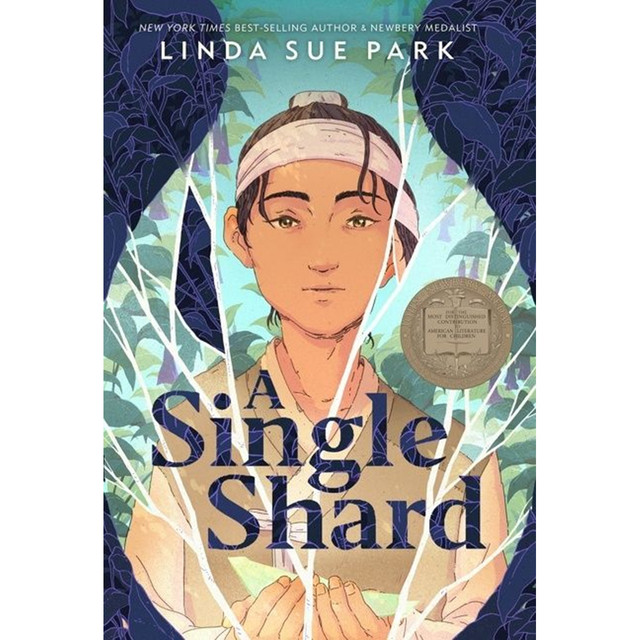
A Single Shard
by Linda Sue Park

The Penderwicks
by Jeanne Birdsall

The Wheel on the School
by Meindert DeJong

The Lion, the Witch and the Wardrobe
by C.S. Lewis
Years 7 to 9: Navigating identity and complexity
Early adolescence is a critical reading stage. Students encounter more complex texts at school, yet many reduce reading for pleasure. This is where thoughtful recommendations make a difference.
Books such as Tomorrow, When the War Began by John Marsden remain a staple in Australian literature. The novel explores resilience, friendship and ethical decision-making. Similarly, The Book Thief by Markus Zusak introduces powerful historical themes through a unique narrative voice.
Graphic novels also play an important role at this age. Titles like New Kid by Jerry Craft support visual literacy while addressing real-world issues such as belonging and identity.
Parents can support reading by connecting books to real-life experiences. A novel set in a historical period can lead to discussions about current events or family heritage. This approach strengthens both engagement and comprehension.
It is also important to respect changing preferences. Teen readers often explore genres that reflect their personal interests, from fantasy to contemporary realism. Encouraging exploration without judgement helps sustain the habit.
Recommended reads (Years 7–9):

Tomorrow, When the War Began
by John Marsden

The Bronze Bow
by Elizabeth George Speare

The Eagle of the Ninth
by Rosemary Sutcliff

Adam of the Road
by Elizabeth Janet Gray

Men of Iron
by Howard Pyle
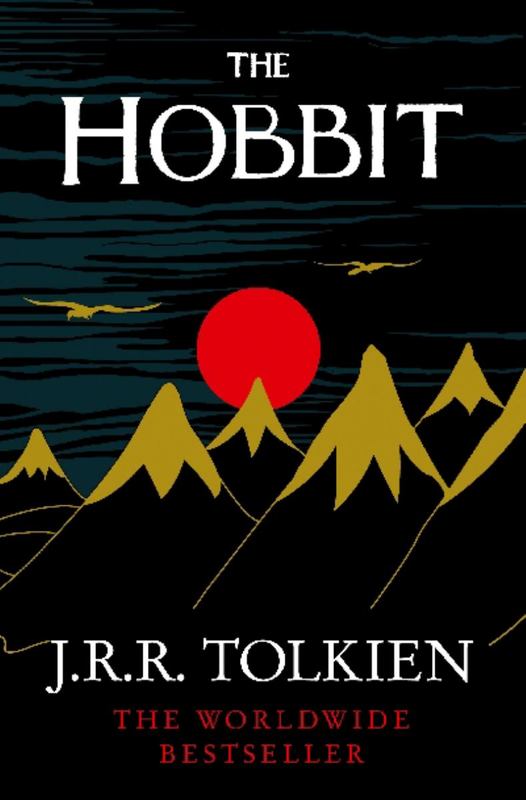
The Hobbit
by J.R.R. Tolkien

The Boy at the Back of the Class
by Onjali Q. Raúf
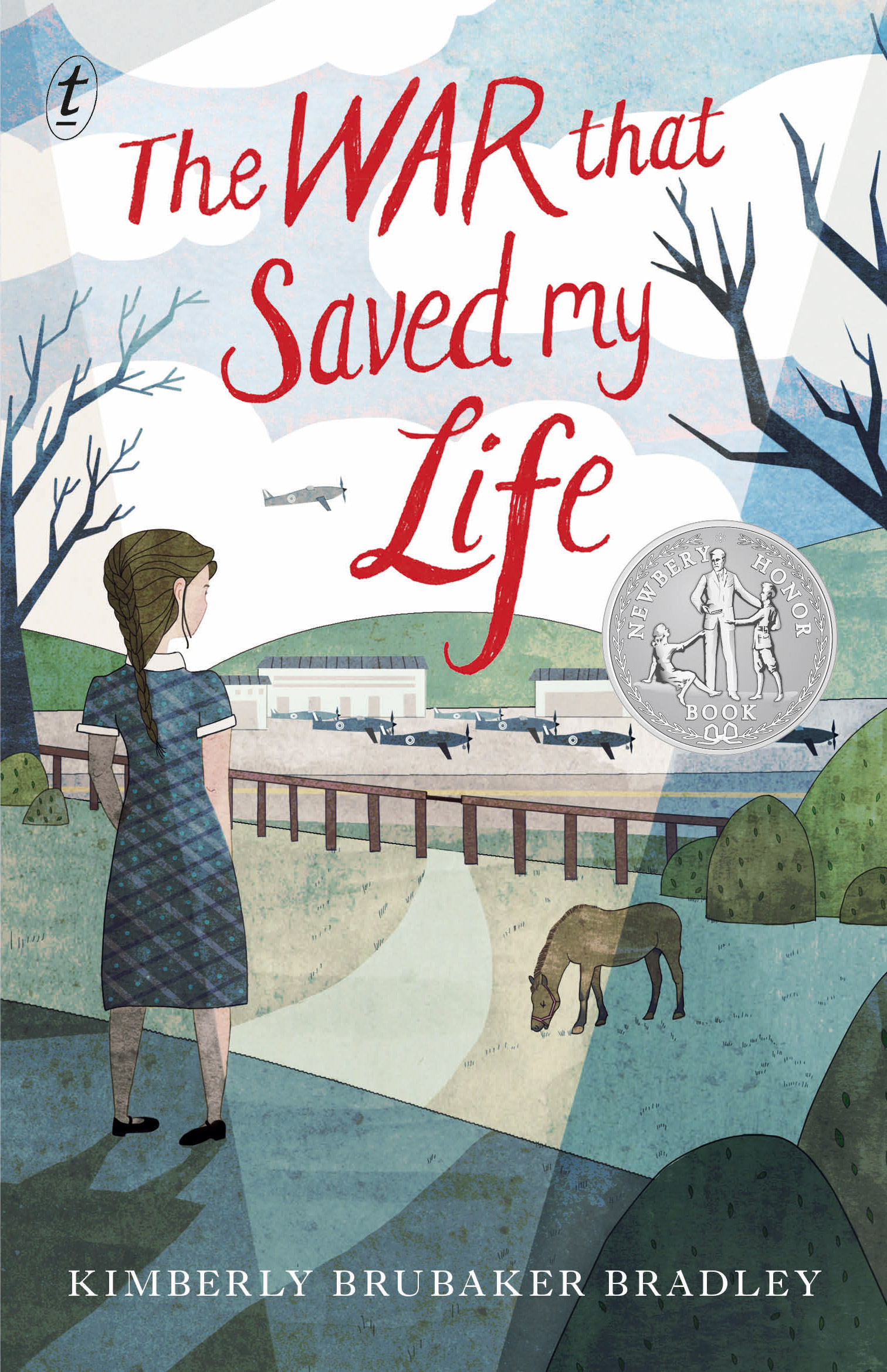
The War That Saved My Life
by Kimberly Brubaker Bradley
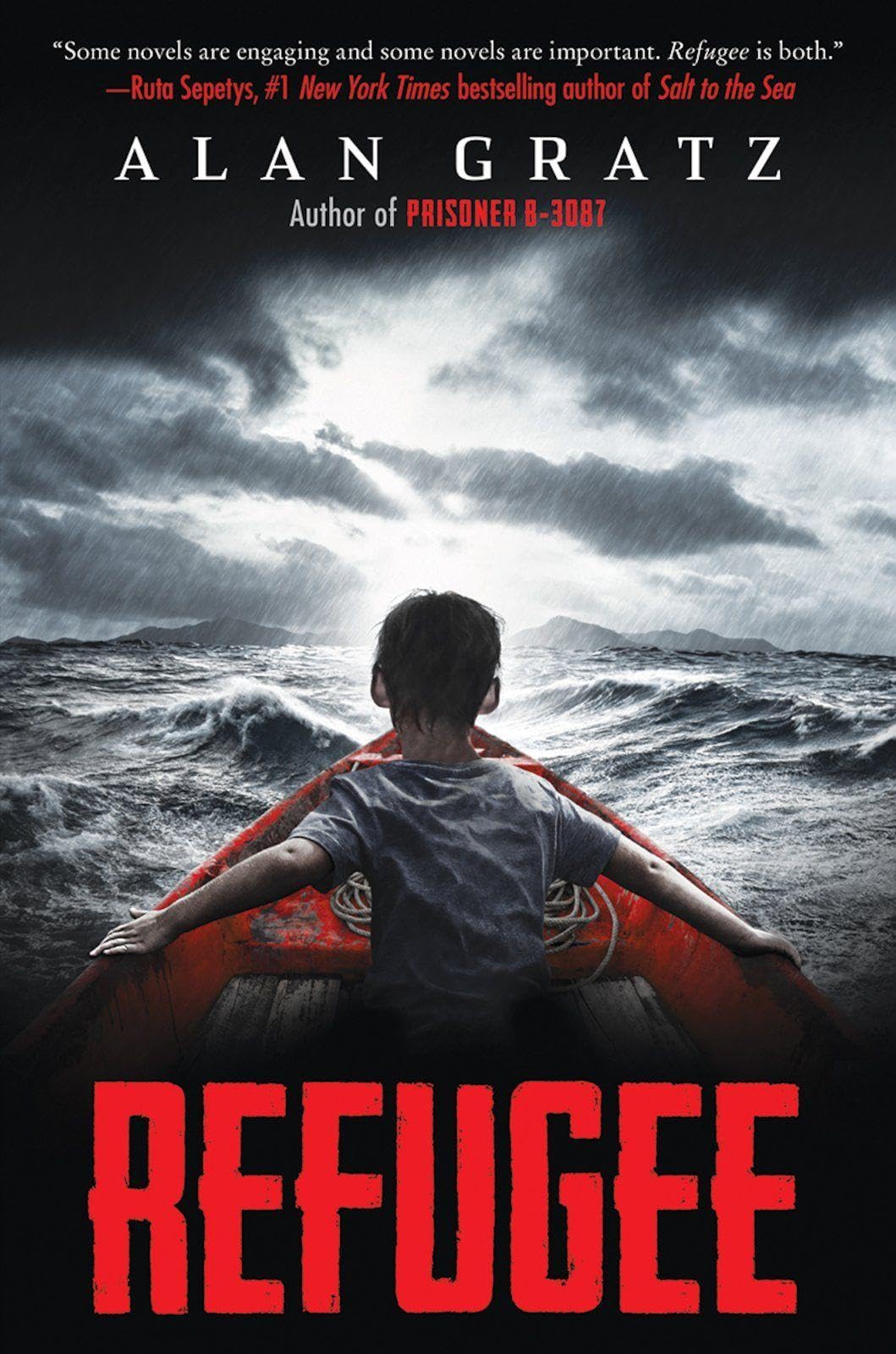
Refugee
by Alan Gratz

The Inquisitor’s Tale
by Adam Gidwitz
Years 10 to 12: Critical thinking and lifelong reading
Senior students face increasing academic pressure, which can limit time for recreational reading. However, this is when reading becomes most valuable.
Texts such as Brave New World by Aldous Huxley and The Screwtape Letters by C.S. Lewis challenge students to think critically about society, human nature and moral responsibility. Contemporary Australian voices, including Boy Swallows Universe by Trent Dalton, offer engaging, character-driven storytelling that resonates strongly with older readers while still exploring complex themes.
Non-fiction also becomes essential. Biographies, essays and current affairs books help students engage with the world beyond school. These texts build analytical skills that are directly transferable to exams and future study.
Parents can support older students by modelling reading themselves. A household that values books sends a strong message, even when schedules are busy. Conversations about articles, podcasts or novels can also keep reading relevant.
At this stage, the goal is not just academic success. It is about fostering lifelong readers who think independently and engage deeply with ideas.
Recommended reads (Years 10–12):

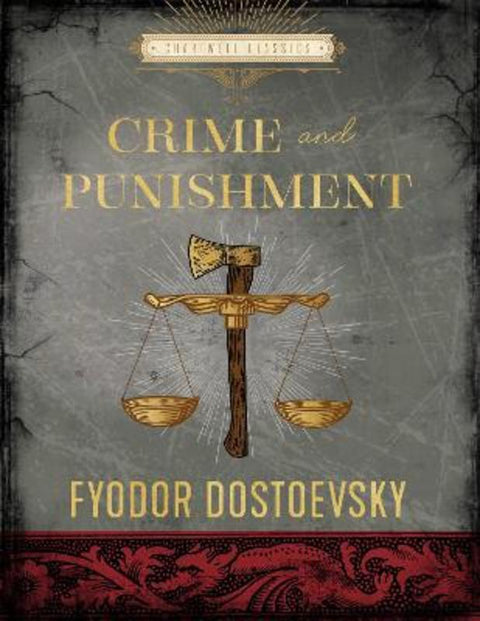
Crime and Punishment
by Fyodor Dostoevsky

The Death of Ivan Ilyich
by Leo Tolstoy

Fathers and Sons
by Ivan Turgenev
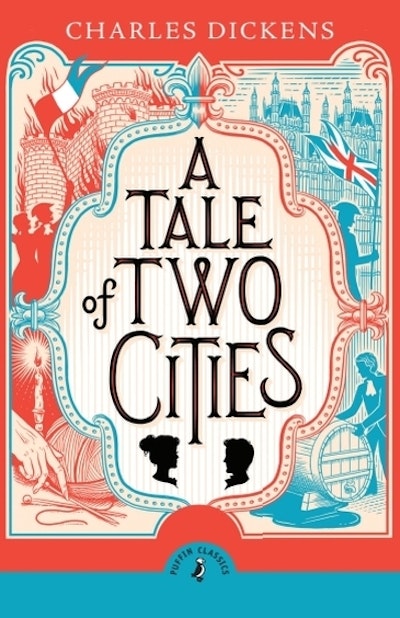
A Tale of Two Cities
by Charles Dickens

Quo Vadis
by Henryk Sienkiewicz

The Hiding Place
by Corrie ten Boom

Peace Like a River
by Leif Enger
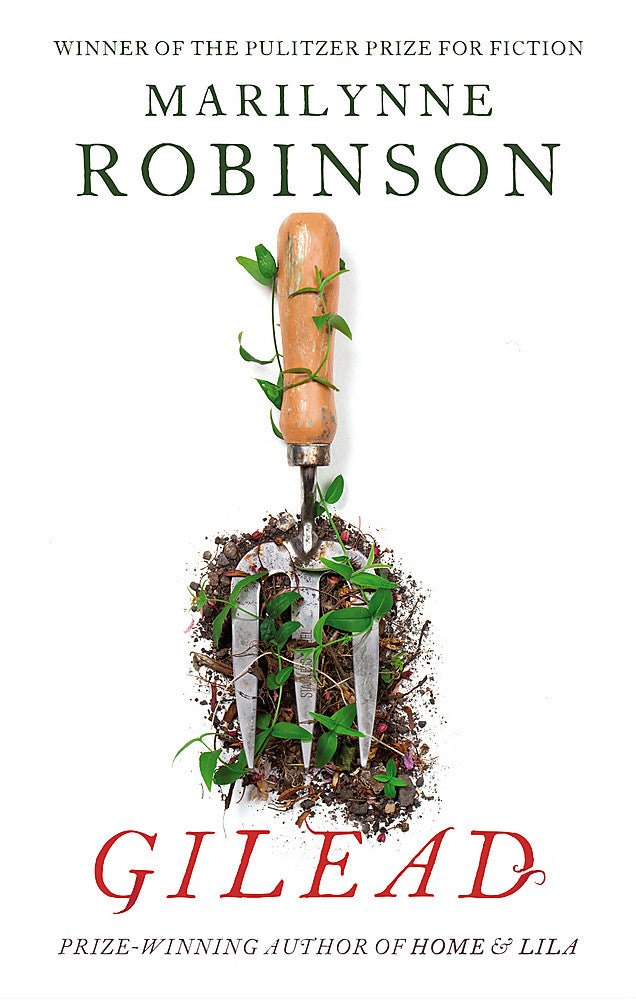
Gilead
by Marilynne Robinson
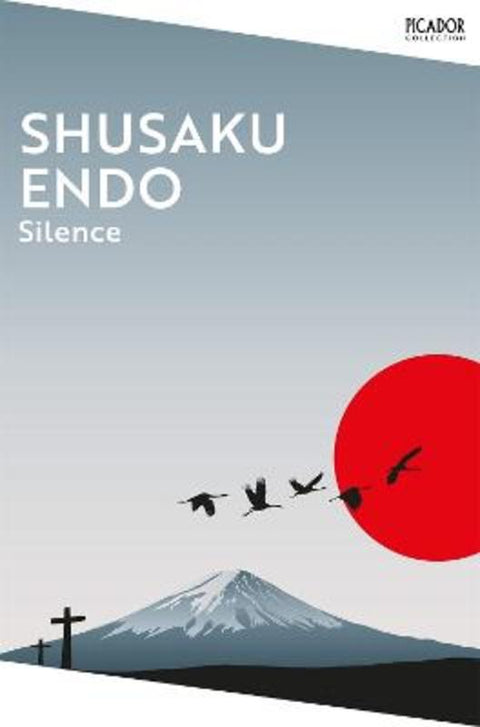
Silence
by Shūsaku Endō

Island of the World
by Michael D. O’Brien
How to choose the right books
Selecting the best books for children is not about following a fixed list. It is about understanding each child’s interests, abilities and stage of development.
Start by observing what captures their attention. A child who enjoys animals may respond well to both fiction and factual texts on the topic. Libraries and school reading programs offer valuable guidance, often curated to align with Australian curriculum standards.
Another effective approach is to revisit favourites. Familiar books provide comfort and reinforce comprehension, especially during transitional stages. At the same time, introducing slightly more challenging texts helps build confidence.
Balance is key. A mix of accessible and more challenging texts keeps children engaged without overwhelming them, while giving them the freedom to choose their own books further fosters a genuine love of reading.
Creating a reading culture at home
Even the best recommendations will fall flat without the right environment. Creating a reading culture at home does not require extensive time or resources. Small, consistent actions make a significant difference.
Set aside a regular reading time each day. This could be before bed or after school. Keep books visible and easily accessible. A simple bookshelf in a shared space encourages spontaneous reading.
Limiting screen time can also help. While technology has its place, uninterrupted reading supports deeper concentration. Encouraging children to carry a book when travelling or waiting can turn idle moments into valuable reading time.
Most importantly, celebrate reading. Talk about books, share recommendations and show genuine interest in what your child is reading. This reinforces the idea that reading is both valuable and enjoyable.
Developing a love of reading is one of the greatest gifts parents can offer their children. By choosing the best books and creating a supportive environment, families can nurture skills that last a lifetime. For younger readers especially, shared reading remains essential – if you’re interested in how this supports development at every stage, you can also explore our blog on why reading to your child still matters, even as they grow more independent.
God bless,
Mrs Maria Mertzanakis
Deputy Head of Senior School – Teaching and Learning