Contents
The Power of Habit
Helping Children Build Success One Small Step at a Time
One of the things I’ve noticed throughout my years in education is that the most organised and successful students are not necessarily the students with the most natural ability. More often, they are the students who have developed effective routines. They know where they put their bag, when they complete their homework and what they do when work becomes challenging.
What appears to be discipline or motivation is often something much simpler: habit.
It struck me recently how much of our own lives are built around habits. Each morning, I arrive at school, put my bag in the same place, check my calendar, open my emails and review the day ahead. I rarely think about these actions anymore because they have become automatic.
The same is true for our children. Whether it is reading each night, unpacking a school bag, practising a musical instrument or approaching challenges with perseverance, habits quietly shape the people they are becoming.
Recently, I came across a simple framework for developing habits that resonated strongly with me. What I particularly loved was that it broke habit formation into five clear and manageable parts.
DECIDE THE SEQUENCE OF ACTIONS: Making Success Visible
Strong habits rarely happen by accident. Children are far more likely to succeed when they know exactly what comes next.
Rather than saying, “Read more,” it can be helpful to create a simple sequence:
- Put school bag away.
- Have afternoon tea.
- Choose a book.
- Read for ten minutes.
The clearer the process, the easier it becomes to follow.

IDENTIFY THE FIRST DOMINO: Finding the Right Trigger
Every habit has a starting point.
Just as a line of dominoes only falls when the first one tips over, habits need a consistent trigger. This might be arriving home from school, finishing dinner or hearing an alarm.
When the trigger stays the same, the routine becomes easier to begin.

REPEAT THE HABIT: Why Consistency Matters
Habits develop through repetition.
Small actions completed regularly are often more powerful than occasional bursts of effort. Ten minutes of reading every day will generally have a greater impact than one hour every few weeks.
Consistency matters more than perfection.

JUST SHOW UP: The Secret of Getting Started
This may be my favourite part of the framework.
Often, we focus on doing something well before we’ve established the habit itself. Instead, the goal should simply be to begin.
If a child opens a book, starts an assignment or sits down to practise an instrument, they have already overcome the hardest step: getting started.

ADD A FINISHER’S REWARD: Making Habits Stick
Our brains are more likely to repeat behaviours that feel rewarding.
The reward does not need to be elaborate. It might be time outside, a favourite activity or simply the satisfaction of ticking something off a checklist.
A positive ending helps reinforce the habit and encourages children to return to it again tomorrow.
Building Habits for Life
As a Christian learning community, we believe that character is formed through small daily choices. The same is true of learning.
Success is rarely built in a single moment. It grows through the habits children practise day after day. By focusing less on outcomes and more on the routines that lead to them, we can help our children develop foundations that support both learning and life.
After all, it is often the small things we do every day that shape who we become.
Want to Learn More? Listen to Our Podcast!
Families who would like a deeper look at what we’ve explored in this edition of the College newsletter are invited to click the link and listen to our newest podcast episode.
Mrs Kathryn Watkins
Deputy Head of Junior School – Teaching and Learning
A Busy and Exciting Term in Prep
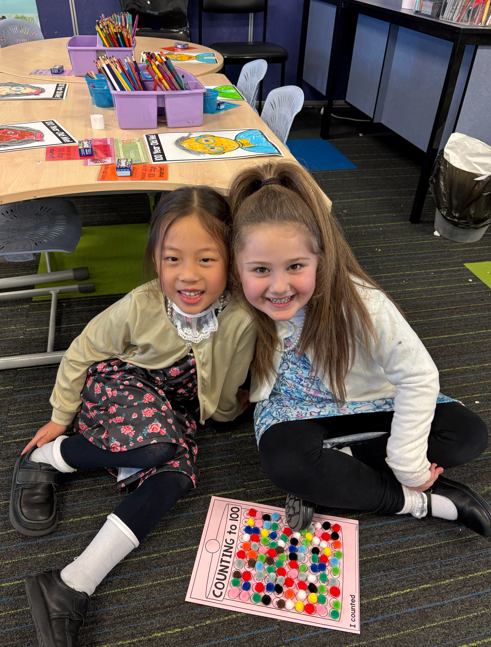
Term 3 has been filled with exciting learning opportunities and memorable experiences in Prep. To celebrate reaching the halfway point of our very first year of school, we enjoyed a colourful and fun-filled Colour Day. Students have also been thrilled to begin taking home our class mascots for a special week of adventures, before sharing their experiences with classmates during News time.
In the classroom, we have continued to build our alphabet knowledge through engaging songs, games, and writing activities. Alongside this, students have enjoyed a variety of hands-on learning experiences, including directed play, dress-ups, pattern exploration, arts and crafts, and cooking activities.
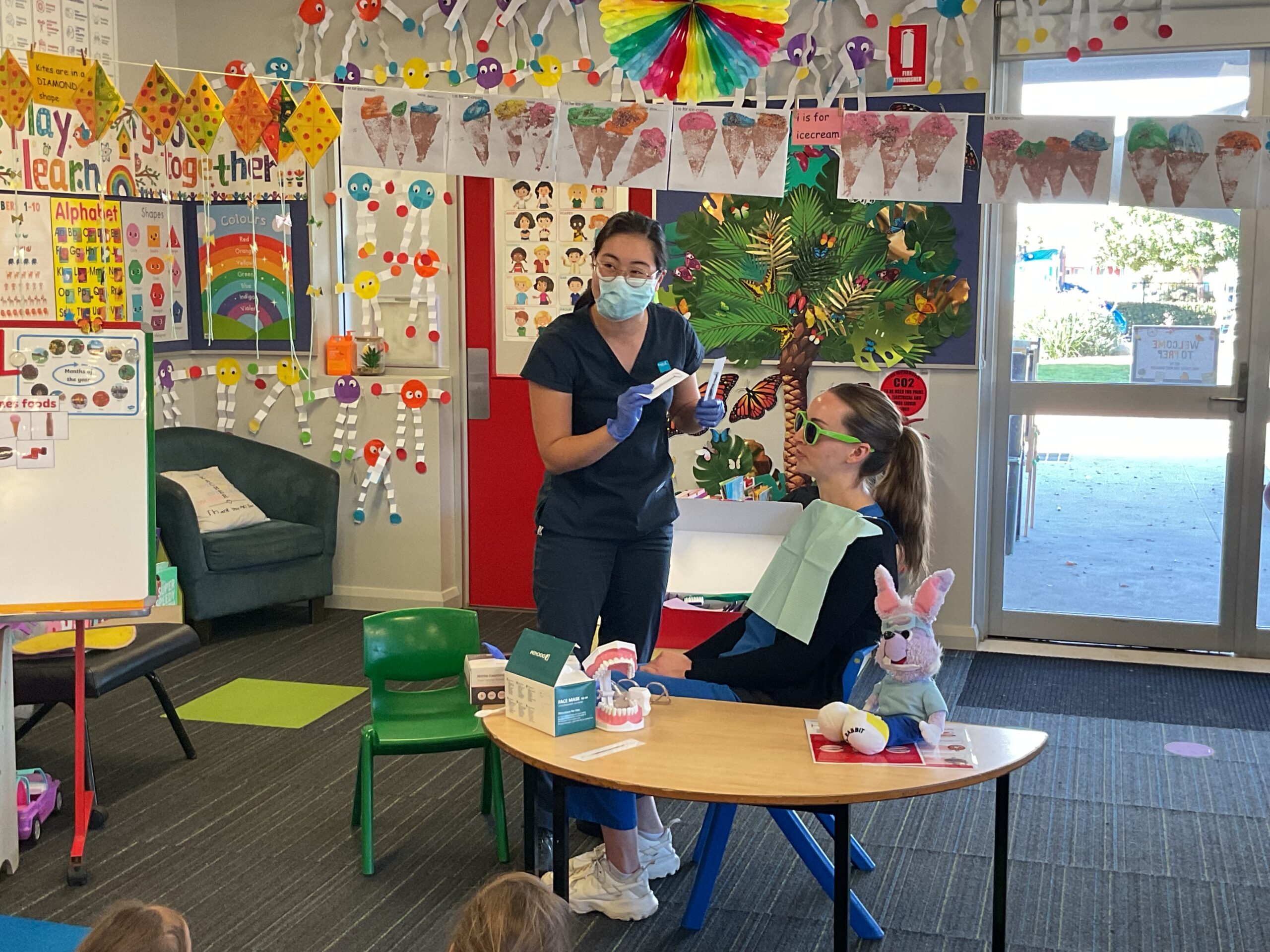
As part of our People Who Help Us unit, we have welcomed visits from the fire brigade, a dentist, the police, and our Cornerstone Companions. These valuable experiences have helped students develop a deeper understanding of the important roles people play in keeping our communities safe, healthy, and connected.
We also celebrated Multicultural Day, where students learned about the Aboriginal flag and its significance while exploring and appreciating Australia’s rich and diverse cultural heritage. It has been a wonderful term of learning, discovery, and growth for our Prep students.
Mrs Kathryn Watkins
Deputy Head of Junior School – Teaching and Learning
100 Days Brighter: A Wonderful Season of Learning
What a wonderful and busy few weeks it has been in Kindergarten! We have been learning, creating and celebrating together, with a focus on developing our Craftsmanship and growing as Powerful Learners.
In preparation for Multicultural Day, students have been learning about Aboriginal peoples, their culture and traditions. Through Dance, Visual Arts and Indigenous texts, we have explored Aboriginal perspectives and taken an in-depth look at The Rainbow Serpent. Students have been learning how Dreaming stories share important knowledge, culture, history and connections to Country. We have loved seeing their curiosity and creativity shine throughout these learning experiences, and we can’t wait for our parents and students to see our learning display and celebrate all that we have discovered together!
In English, students have been using the Powerful Learner disposition “Activates Prior Knowledge”, drawing on all the writing skills they have developed so far to create recounts about their weekend adventures. They have been practising capital letters, finger spaces, full stops and stretching out words to hear the sounds they can record. Students have also been using time connectives such as first, then and finally to sequence their ideas. Through this, they are developing their Craftsmanship by taking pride in their work and striving to make their writing the best it can be.
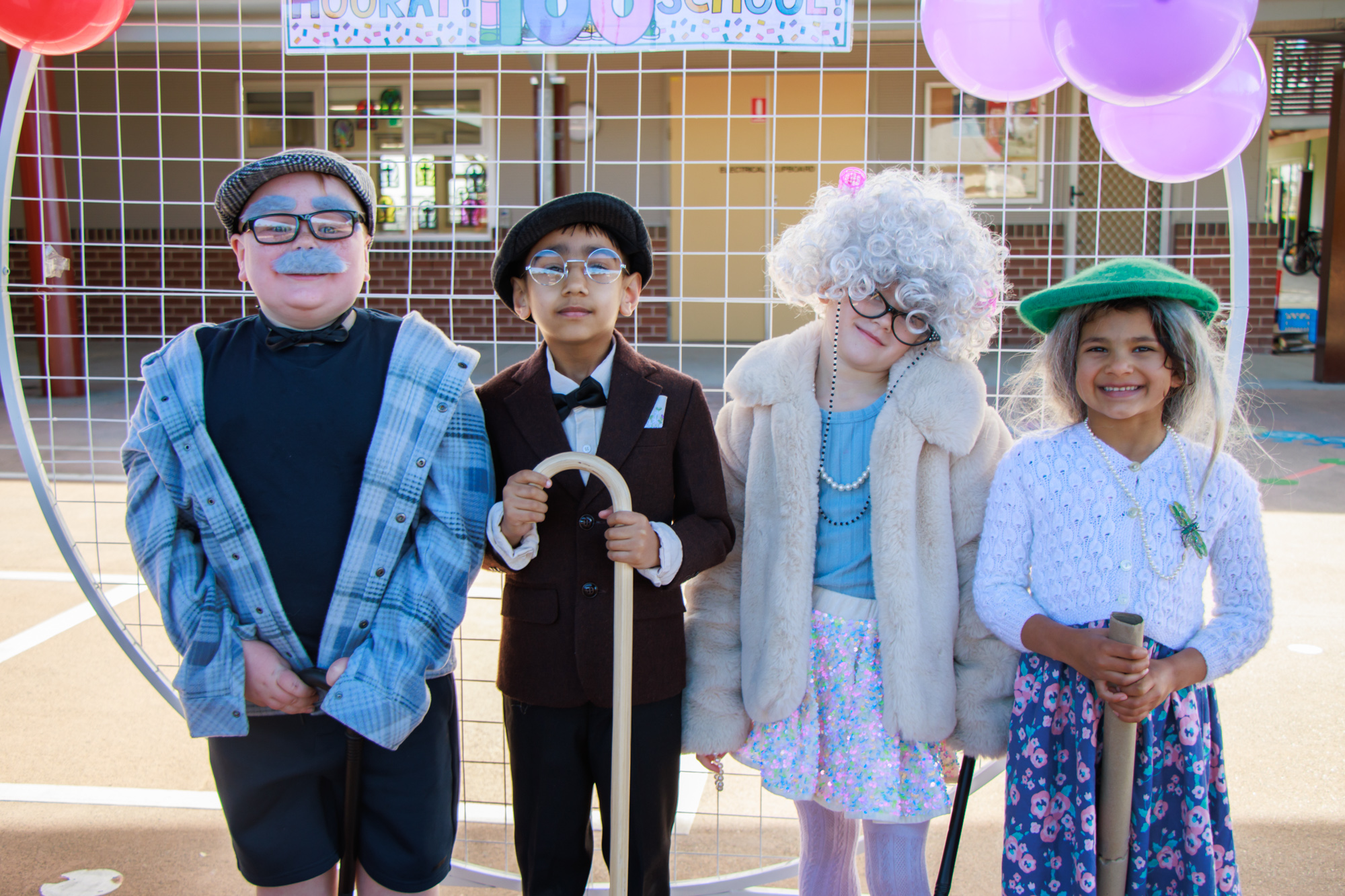
We also celebrated a very special milestone – 100 Days of Kindergarten! Students participated in a variety of fun and exciting activities to celebrate 100 days of learning, including exploring what they might look like at 100 years old! It was a wonderful opportunity to reflect on how much we have grown, learned and achieved together.
We are so proud of our Kindergarten learners and all they are accomplishing!
Mrs Kathryn Watkins
Deputy Head of Junior School – Teaching and Learning
Bullying No Way – Small Acts, Big Impact
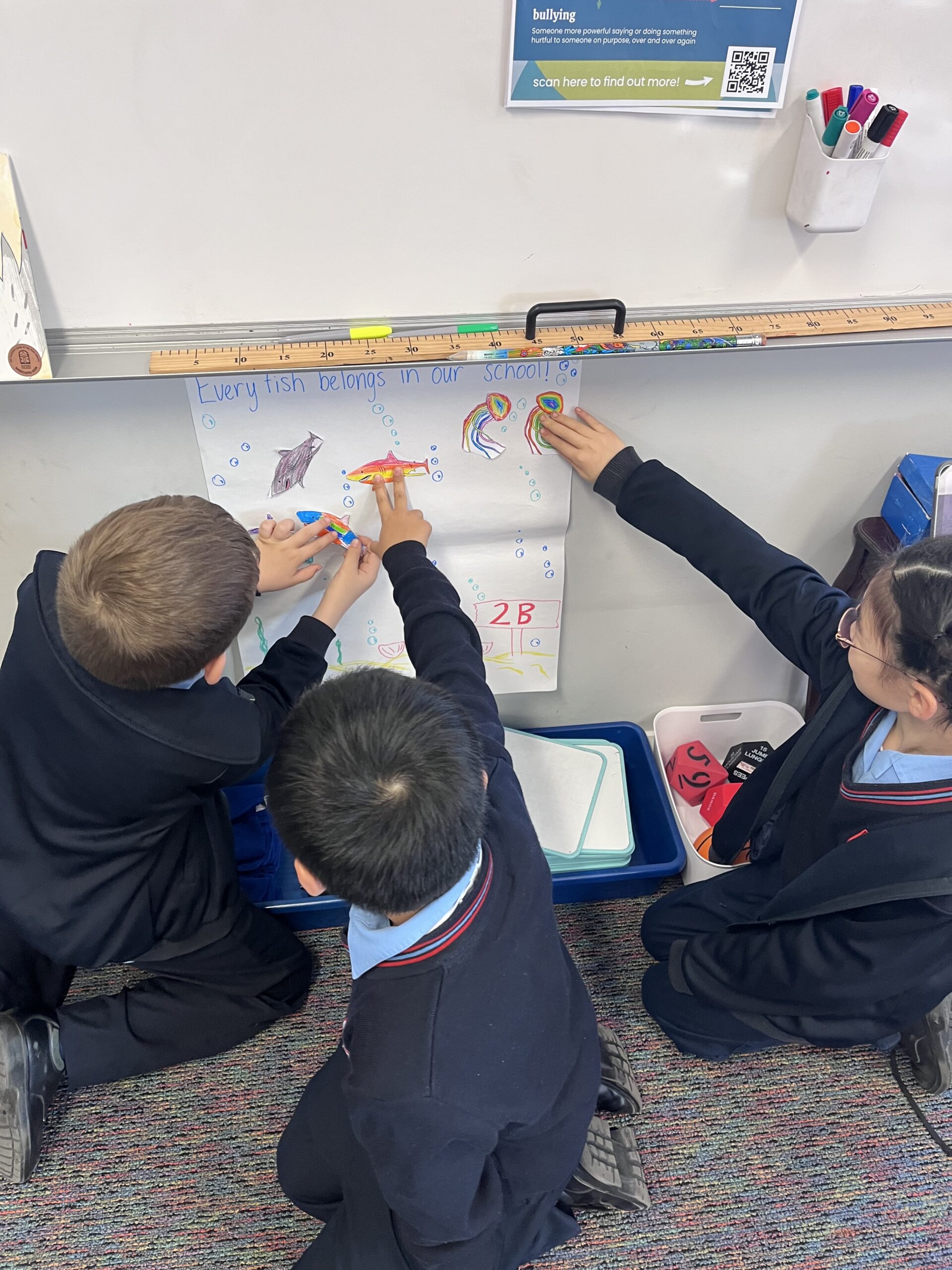
At our Junior School, fostering positive relationships and supporting student wellbeing are important parts of creating a safe and inclusive learning environment. As part of this commitment, students recently participated in learning activities connected to the Bullying No Way initiative.
Throughout the lessons, students explored what bullying is, how it differs from normal conflict or friendship disagreements and why everyone has a role to play in creating a culture of respect and belonging. Students learned that bullying is repeated behaviour that is intended to cause harm and involves an imbalance of power. Understanding these key features helps students recognise when a situation may require support from a trusted adult.
A highlight of the learning was watching a Bullying No Way video that clearly explained the different forms bullying can take and the impact it can have on others. The video helped students reflect on how their words and actions can influence the wellbeing of those around them.
Students then participated in a variety of age-appropriate activities that encouraged them to think about empathy, kindness and inclusion. Through discussions, collaborative tasks and reflection exercises, they explored practical ways to support others, stand up for what is right and ensure that everyone feels welcome and valued. These activities provided valuable opportunities for students to practise recognising how others may be feeling and consider actions they can take to help create positive social connections.
One of the key messages from the initiative was that every student has the power to make a difference. Simple acts such as inviting someone to join a game, including others in conversations, showing kindness and seeking help when concerned about a peer can have a significant impact on building a strong and supportive community.
We encourage families to continue these conversations at home by discussing the importance of respectful relationships and encouraging children to speak openly if they have concerns about their own wellbeing or the wellbeing of others.
Together, by working in partnership, we can continue to nurture a school environment where every child feels safe, connected and valued.
Mr Luke Przydacz
Deputy Head of Junior School – Wellbeing