Motivation Matters
Last December, my teenage son decided he wanted to win his next school cross country. It wasn’t a passing thought, he had a clear sense of purpose. He had spent many years coming second or third, not having trained or put the effort into improving. From that moment, his actions began to align with his goal. Each morning, he set his alarm thirty minutes earlier and headed out for a run. My role was simply to support him, a quiet prompt when needed, a bit of encouragement and the consistency of helping him get out the door.
What was most striking was how his motivation grew over time. As he reached the small goals he had set for himself like running a little further, feeling a little stronger and improving his times, his confidence built. The routine became habit, the effort felt worthwhile and his commitment deepened. By the time his carnival came around, he not only achieved his original goal of winning the school cross country, but went on to win at the next level as well.
This experience serves as a powerful reminder that motivation is a vital piece of the learning puzzle. Even highly capable children can struggle to learn effectively when motivation is low. It is often seen as something children either have or don’t have, but in reality, motivation is far more flexible and it can be nurtured.
At our College, we recognise that learning requires both effort and encouragement. Children thrive when they feel supported, capable and purposeful, particularly when learning becomes challenging.
Motivation grows when learning experiences are thoughtfully structured. Often, small changes can make a meaningful difference.
One important factor is enjoyment. When learning feels calm, safe and rewarding, children are more willing to engage. A comfortable study environment, a predictable routine or a small reward to acknowledge effort can help make learning feel achievable rather than overwhelming.
Success is another powerful driver. Breaking learning into manageable steps allows children to experience early wins. These moments of success build confidence and help children develop a positive sense of themselves as learners.
Establishing consistent habits also plays a key role. When learning occurs at the same time and in the same place, children rely less on fluctuating motivation and more on routine. This consistency can carry them through even on more challenging days.
Connection further strengthens motivation. Learning alongside peers, siblings or supportive adults reduces feelings of isolation and encourages persistence. Simply knowing they are not learning alone can make a significant difference to a child’s willingness to engage.
Finally, motivation is strengthened when children understand why learning matters and how it connects to their goals, their future and the person they are becoming.
When we approach motivation in these intentional and supportive ways, we help children build perseverance, confidence and a positive disposition towards learning that will extend far beyond the classroom.
Want to Learn More? Listen to Our Podcast!
This issues podcast explores motivation in greater depth, with practical ways parents can nurture it at home.
A Night Among the Animals
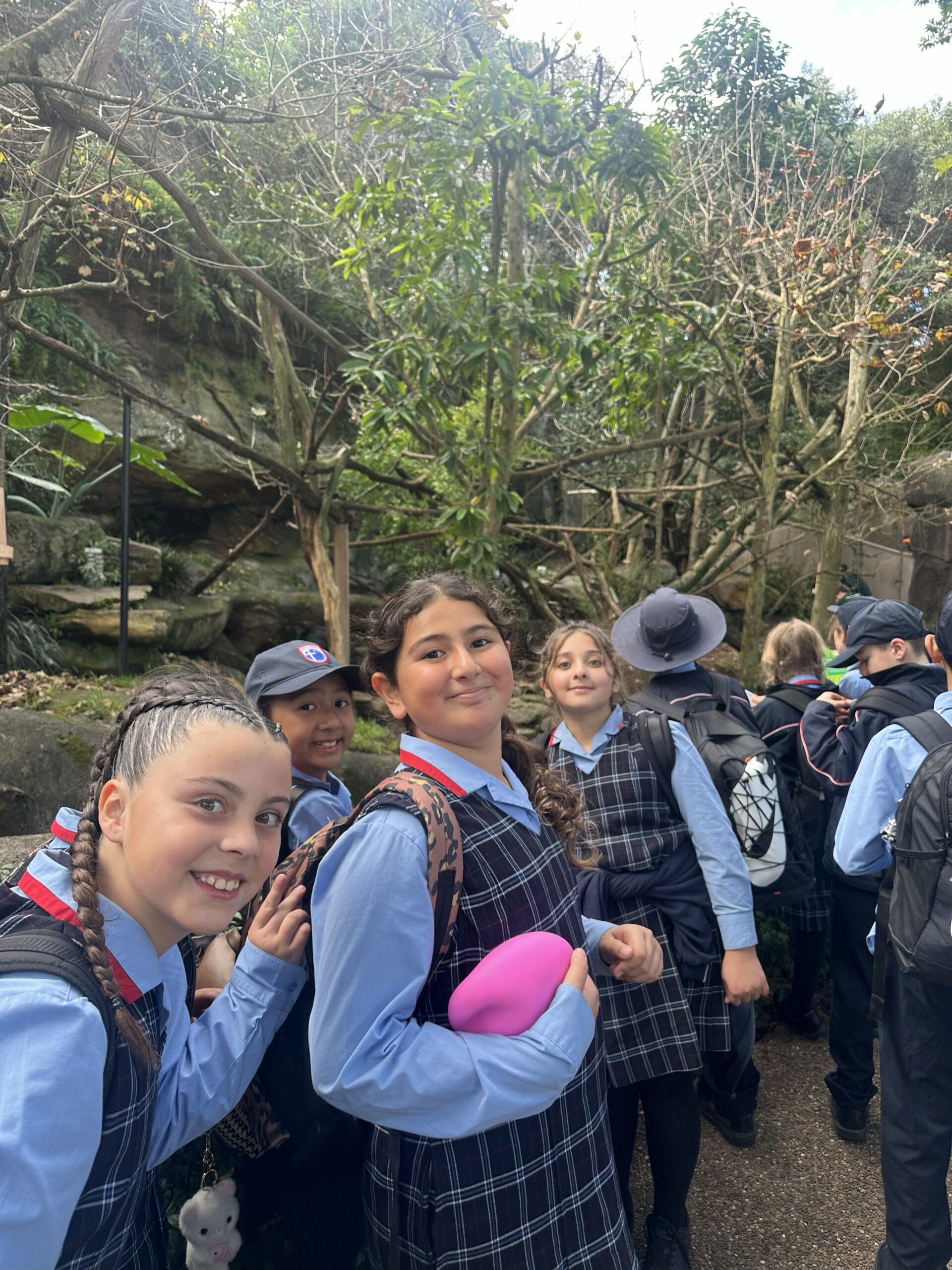
Each year, something extraordinary occurs. Eighty-four children board a great white bus and make their annual pilgrimage to Taronga Zoo. Eight teachers accompany them, experienced guides who have learned, through hard-won wisdom, that their role is less to lead than to allow curiosity to blossom.
The morning begins in the classroom with a ritual known as “what to expect at camp.” Watch closely. You can see in their bright eyes a tension between apprehension and barely contained excitement, the same look worn by the first explorers setting out across uncharted seas. Then, with the solemnity of pioneers, they board the bus.
Upon arrival, the herd assembles for lunch. Sandwiches are compared. Alliances are quietly formed. And then the adventure begins, classes moving through the zoo in formation, in a mutual study between the watching children and the watching animals.
As dusk settles over the harbour, sleeping bags are unrolled in the science building’s auditorium. The nesting instinct, it appears, is not limited to birds.
Dinner consumed, the night walk begins. Torchlight fractures the darkness as eighty-four small figures move with exaggerated stealth through the zoo’s nocturnal world. Lions stalk through the glass. Red pandas move limb to limb through the high treetops. Seals dance seamlessly through darkened waters. And then, the tiger. That great striped sovereign moves at the far edge of its enclosure, and something ancient stirs. The children press slightly closer together and speak, briefly, in whispers. Even at nine years old, one recognises power when one meets it.
Sleep is theoretically attempted. In practice, eighty-four minds are still circling lions and tigers in the warm dark. Morning arrives early, with the particular energy of those who have barely slept and found it entirely worth it.
The second day opens the hidden world of the zoo. Behind-the-scenes talks. Interactive classrooms. The seal show at eleven, where the children respond with the kind of laughter that comes from somewhere genuinely delighted. The bird show at noon, though the birds, it seems, had their own ideas about the schedule.
Lunch is quieter than yesterday’s. The conversations have changed. They are talking about the tigers, the lions, the seals. Something has shifted in eighty-four small hearts, and it will not shift back.
By the time the great white vessel carries them home, the herd is, to use the technical term, absolutely exhausted. They fold into their seats with the boneless satisfaction of creatures who have spent themselves entirely and found it good. The zoo recedes behind them, but does not, one suspects, entirely leave.
Narrated, in spirit, by Sir David Attenborough · Taronga Zoo, Sydney
Exploring, Creating and Learning in Year 3
Year 3 have had a fantastic start to Term 2, showing great enthusiasm for their learning and working hard across all areas. Students have been busy exploring the fascinating relationship between the Earth, Sun and Moon. Through hands-on activities, discussions and investigations, students have been building their understanding of how these all work and interact together to create day and night, the changing seasons and conditions that support life on our planet.
In English, students have been engaged in writing informative texts. Each student has chosen an animal to research, gathering key facts about its habitat, diet and unique features. This research has then been used to create an informative text made up of multiple paragraphs. These writing pieces are then compiled into a special class book, which we look forward to sharing with you soon. It has been lovely to see students take pride in their work and enjoy sharing their learning with their peers.
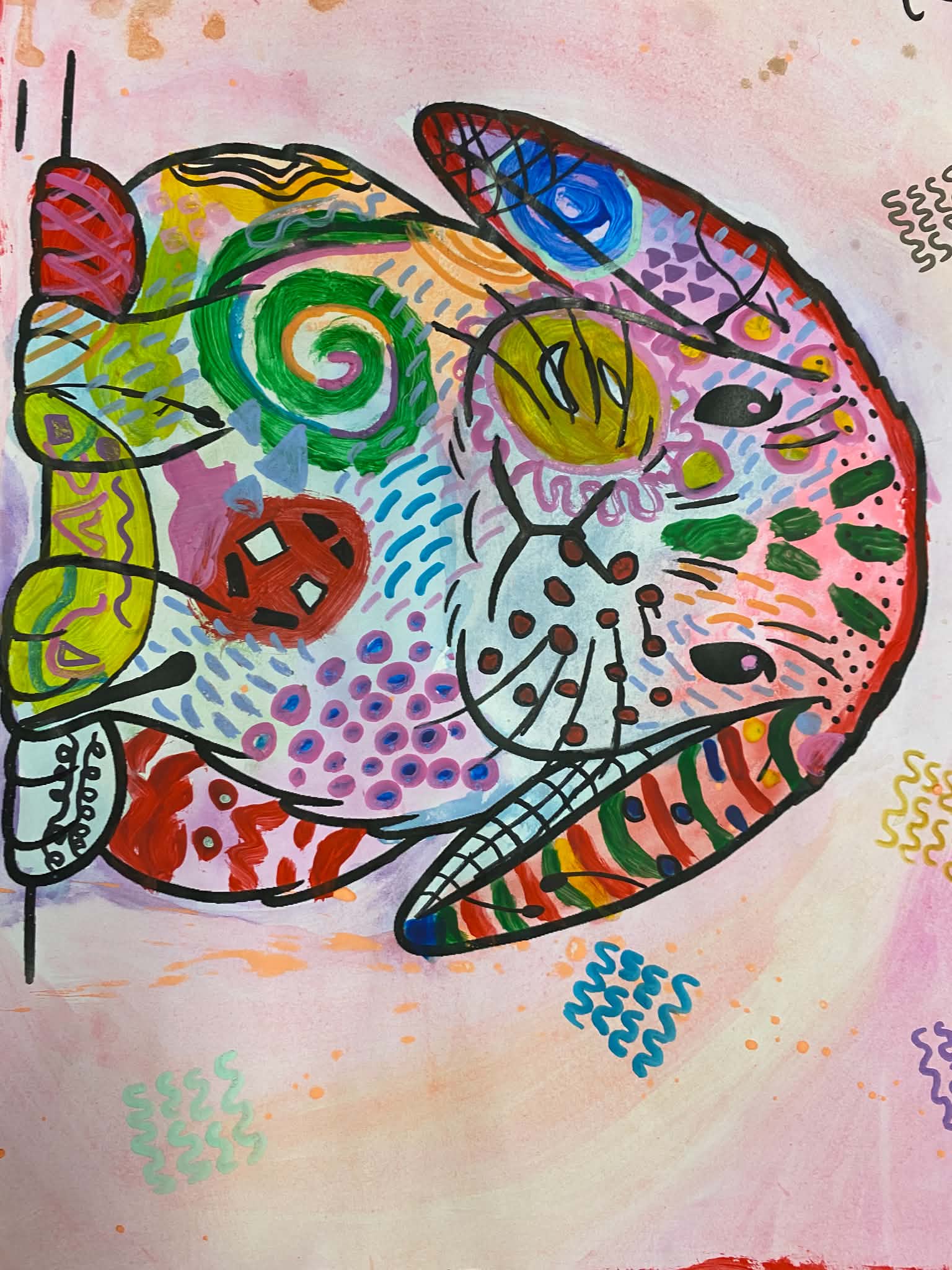
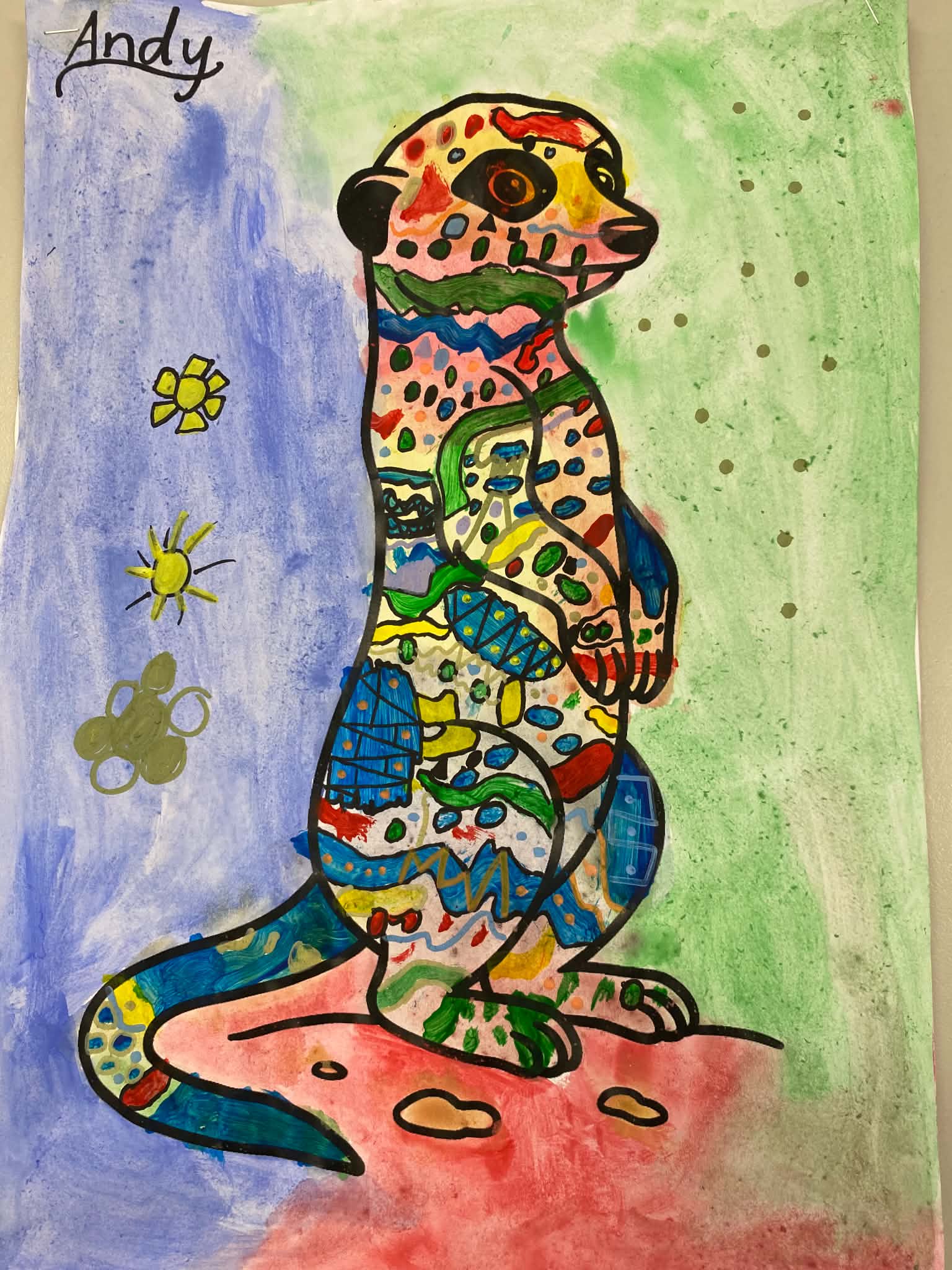
In Creative Arts, students have been thoroughly enjoying their artist study on Dean Russo. They have explored his bold, vibrant style and have been experimenting with mixed media techniques to create their own expressive artworks. It has been wonderful to see students take creative risks and develop their artistic skills while producing colourful and unique pieces.
God bless,
Mrs Kathryn Watkins
Deputy Head of Junior School – Teaching and Learning