
Letting Go of Myths and Building Strong Study Habits
As children move through the junior years, they begin to develop beliefs about themselves as learners. Some of these beliefs help them persevere and grow. Others, while sounding logical or comforting, can quietly hold them back.
As a Christian learning community, we believe that every child is created with a mind designed for growth. Learning is not fixed or limited; it is shaped over time through effort, experience, and encouragement. Understanding how learning actually works helps us support children in ways that build confidence and resilience.
There are a few common myths about learning that are worth gently rethinking.
One is the idea of learning styles; that children learn best only in one particular way. While children may have preferences, research shows that learning is strongest when the method matches the content. Visuals help with science concepts, listening helps with language learning and hands‑on practice is essential for physical or practical skills. Flexible learners who engage in many different ways are better prepared for school and life.
Another myth is that intelligence is fixed. The good news is that children’s brains grow and change in response to practice and experience. Effort, feedback and time all play a role. When children understand that they can improve, they are far more likely to persist when learning becomes challenging.
Alongside healthy beliefs, strong study habits make a real difference:
- Retrieval (bringing information to mind) helps memory far more than rereading.
- Spacing learning over time builds long‑term understanding.
- Focused study, without multitasking, leads to deeper learning.
When children are supported to study in small, manageable bursts, with encouragement and realistic expectations, learning becomes both more effective and more hopeful.
Want to Learn More? Listen to Our Podcast!
Families who would like a deeper look at what we’ve explored in this fortnight’s newsletter are invited to click the link and listen to our newest podcast episode.
Ready, Set, Read! Parent and Carer Workshop
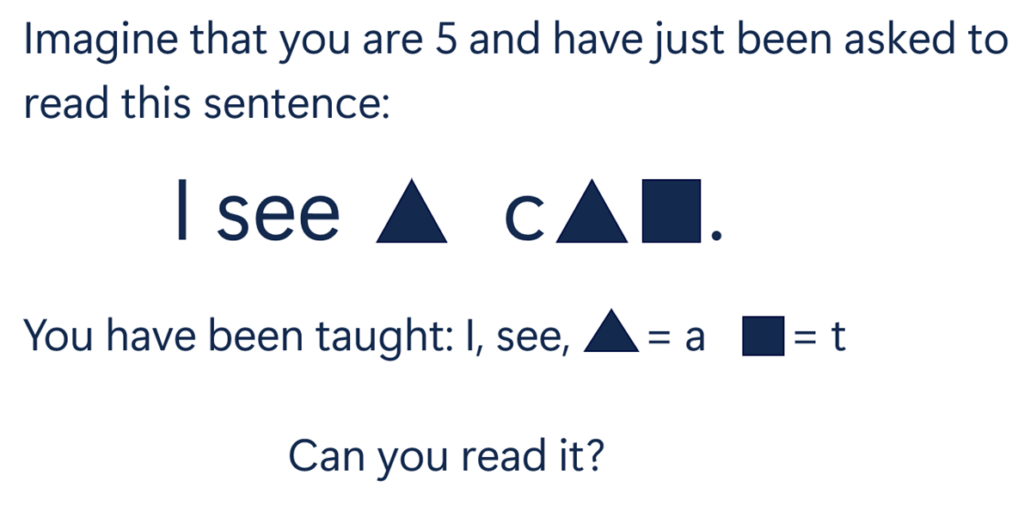
You can decode sounds because they have been taught to you. When you are faced with symbols you don’t yet know, reading quickly becomes confusing and frustrating, especially when you are five! This powerful idea sat at the heart of our recent Ready, Set, Read! Parent and Carer Workshop, where families explored how early reading skills develop and why explicit teaching of sounds is essential for young readers. Through hands‑on examples, parents and carers experienced firsthand how decoding works when children are given the right foundations and how difficult reading becomes when those foundations are missing.

During the workshop, we unpacked early reading skills and explained how home readers have changed over time. Families learned why readers are no longer traditionally levelled and instead are carefully selected to match the sounds children have already been taught, making decoding achievable and building confidence. We also took parents and carers through the practical steps of how to read with their children at home — including what to do when reading becomes tricky. This included how to support children to problem‑solve words, encourage sounding out, and maintain confidence without taking over the reading. Thank you to everyone who attended and engaged so thoughtfully. Your partnership is a vital part of helping children develop strong, confident and joyful reading habits.
Building Strong Maths Foundations in Year 1
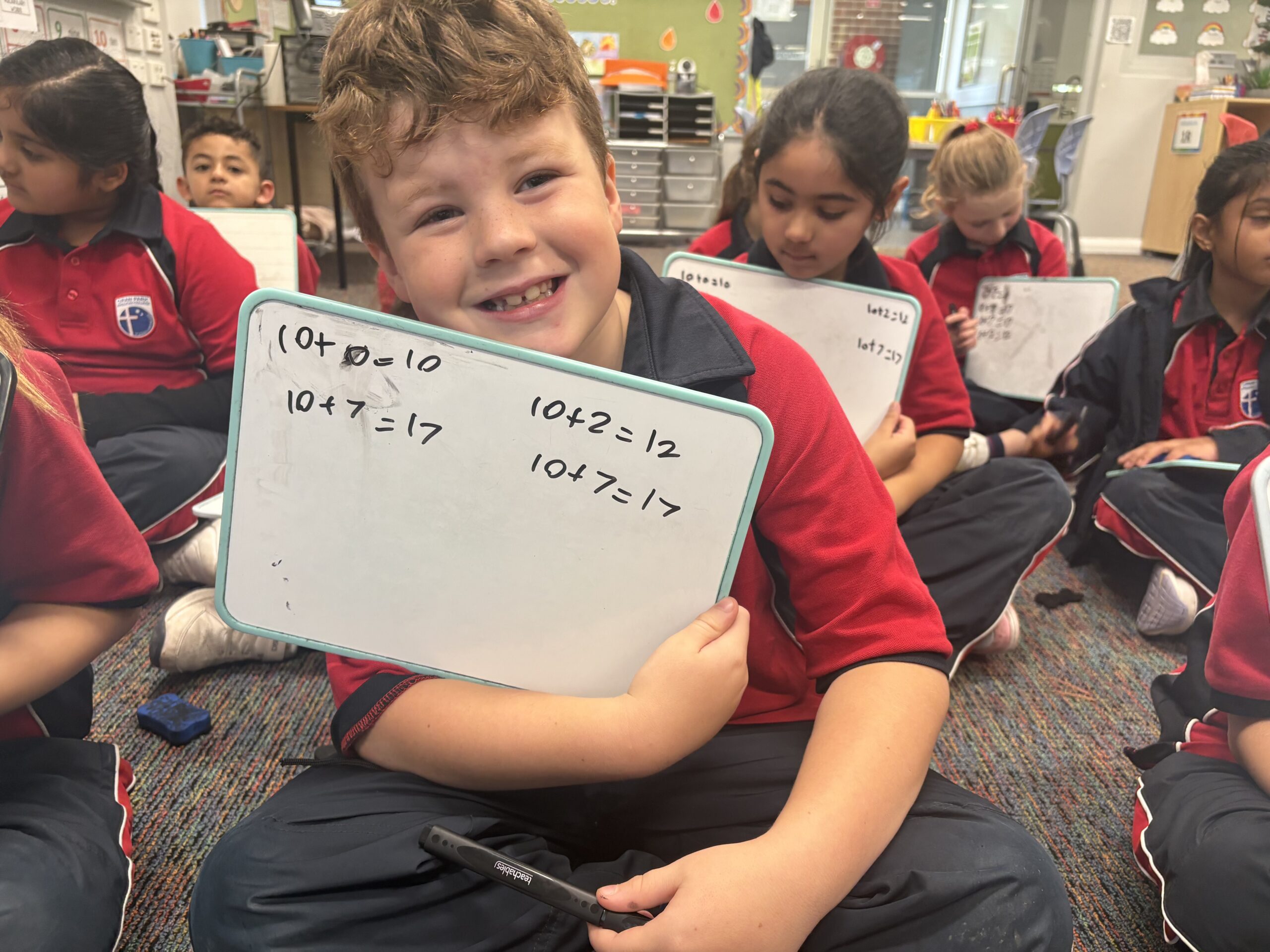
In Year 1 Mathematics, students have been strengthening their understanding of early number and measurement concepts through hands‑on learning and daily review routines. At this stage, children learn best when they can touch, see and explore ideas in concrete ways, so lessons are designed to help them experience mathematics, not just hear about it.
Using concrete materials such as blocks, rulers and measuring tools, students have been exploring the length of everyday classroom objects. These practical experiences help students connect abstract mathematical ideas to the real world, supporting them to make sense of measurement by comparing, estimating and discussing their observations. By measuring familiar objects, students begin to develop a clearer understanding of how and why we measure.
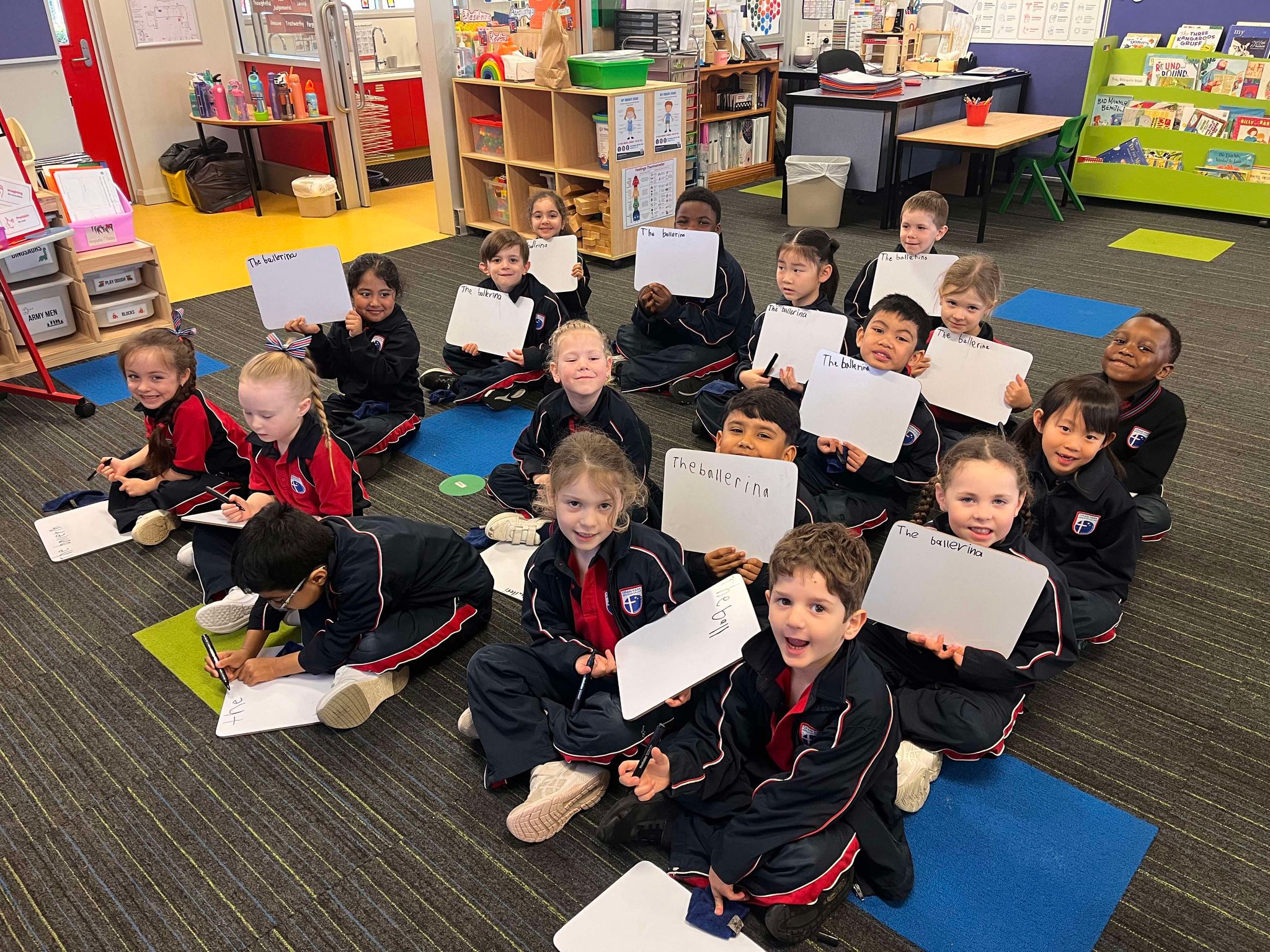
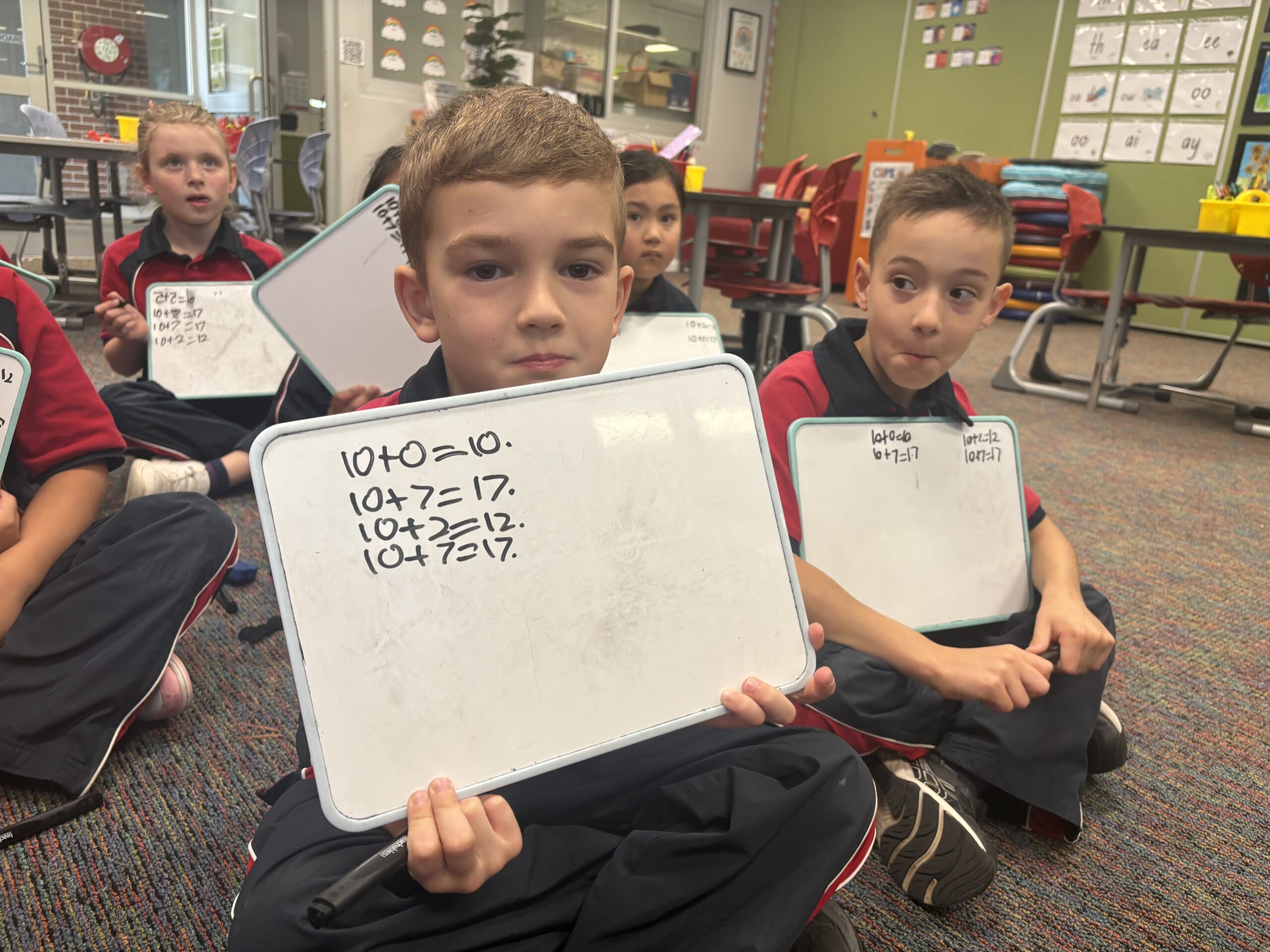
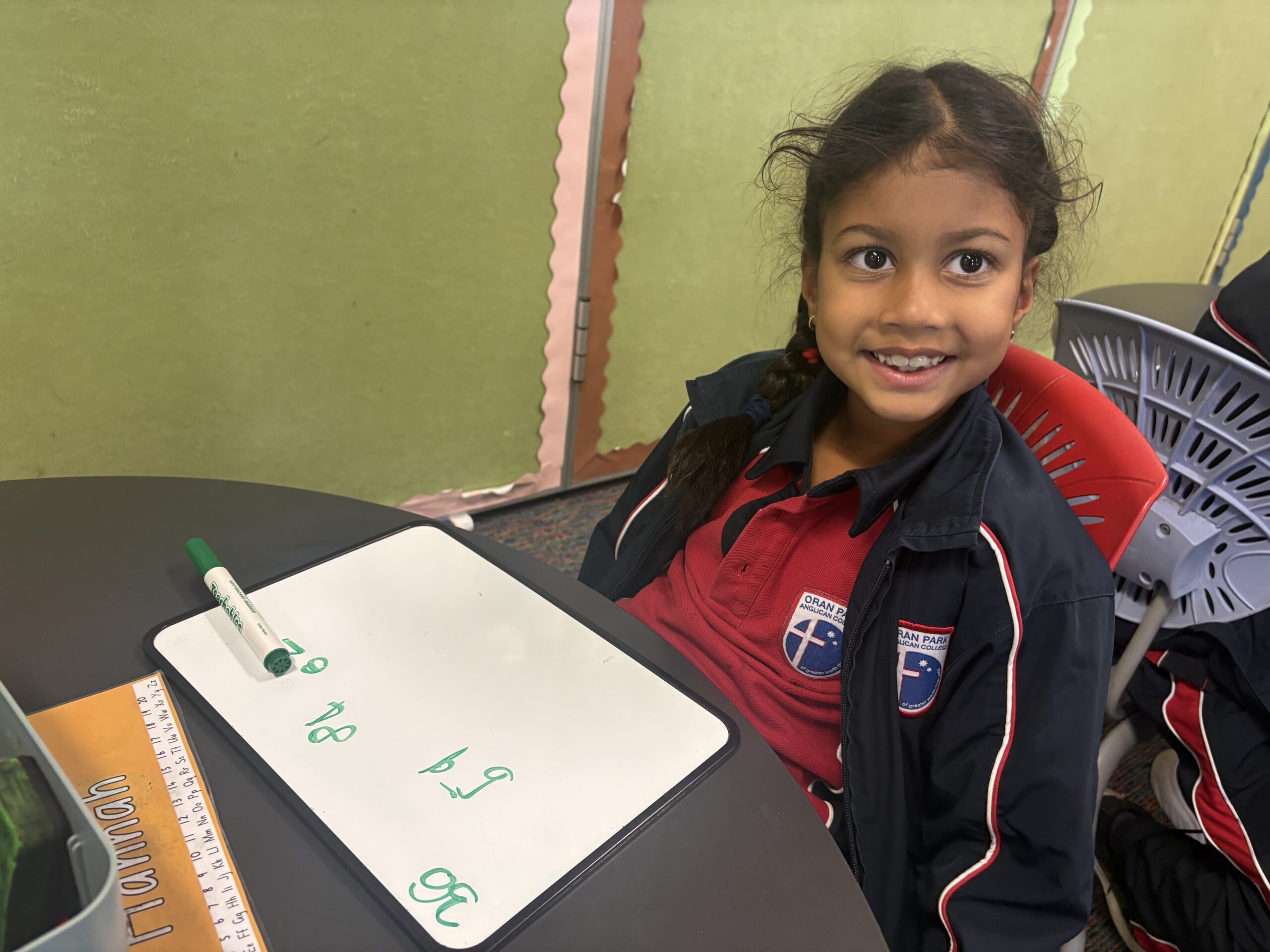
Daily review also plays an important role in building confidence and fluency in Year 1. Through short, focused activities using individual whiteboards, students regularly revisit key skills, practise them multiple times and receive immediate feedback. This repetition supports strong consolidation, helps students recognise patterns and strategies more independently and encourages them to take safe risks in their learning.
Together, these approaches help students build confidence, deepen understanding and develop positive learning habits that will support their mathematical growth across the year.
Year 2 Learning Spotlight: Persuasion and Personal Growth
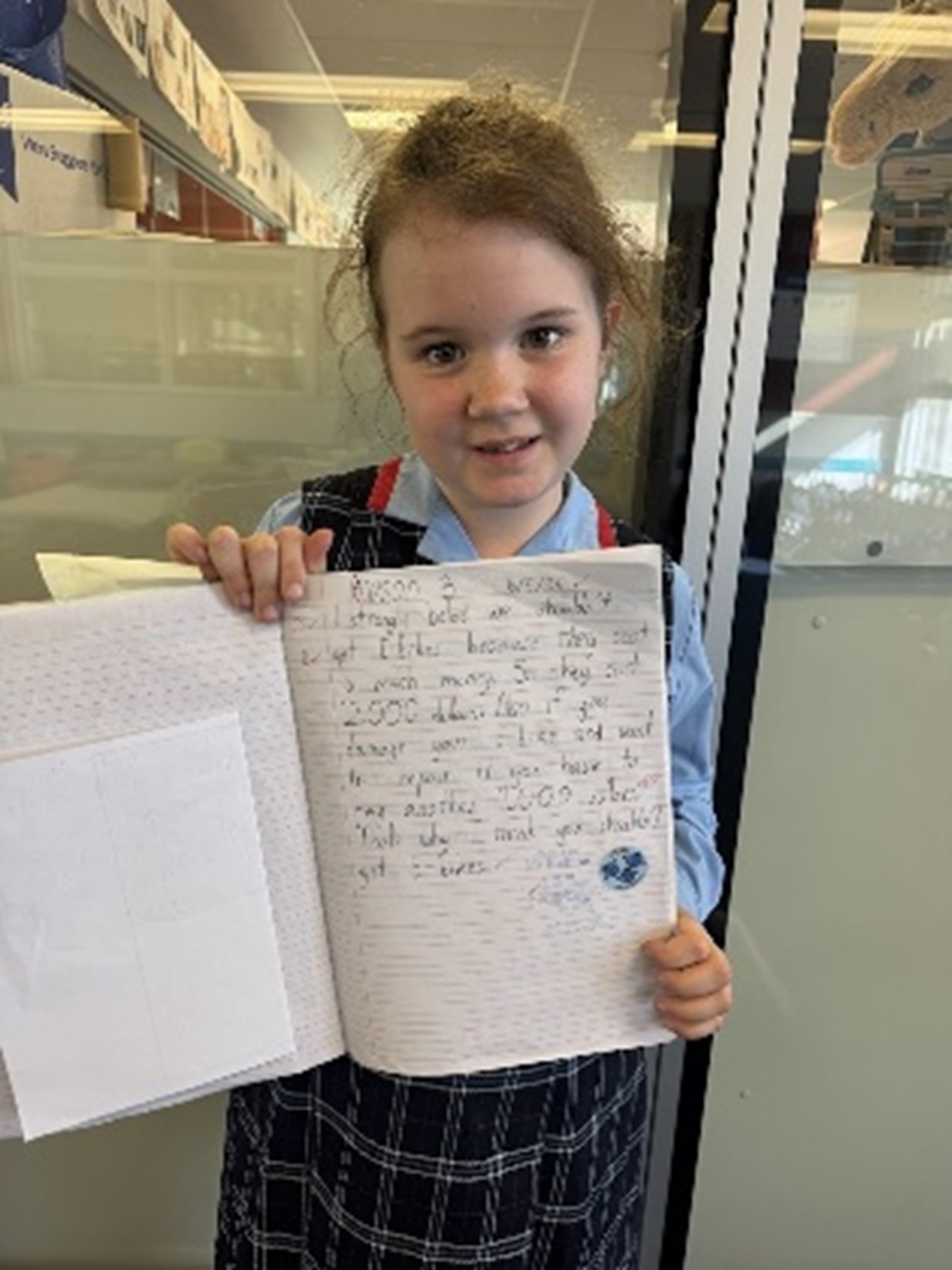
Our Year 2 students have been actively immersed in their persuasive writing unit, “Convince Me,” as part of their English program. Throughout this learning sequence, students are closely examining the opinions of characters within texts and developing their ability to clearly articulate their own viewpoints. They are learning to support their ideas with well-structured arguments, building a strong foundation in expressing reasoned and thoughtful opinions.
In the classroom, students have been engaging in informal debates, confidently sharing their ideas while listening respectfully to others. They are developing their language by incorporating high modality words and powerful emotional language to add punch to their arguments. A key focus has been on building strong responses by including three clear reasons to support their viewpoint, along with relevant examples to strengthen their case.
This approach is helping students develop essential skills in critical thinking, communication, and reasoning, while also building confidence in expressing their perspectives both orally and in writing. We are incredibly proud of the thoughtful discussions and persuasive pieces emerging from our Year 2 classrooms!
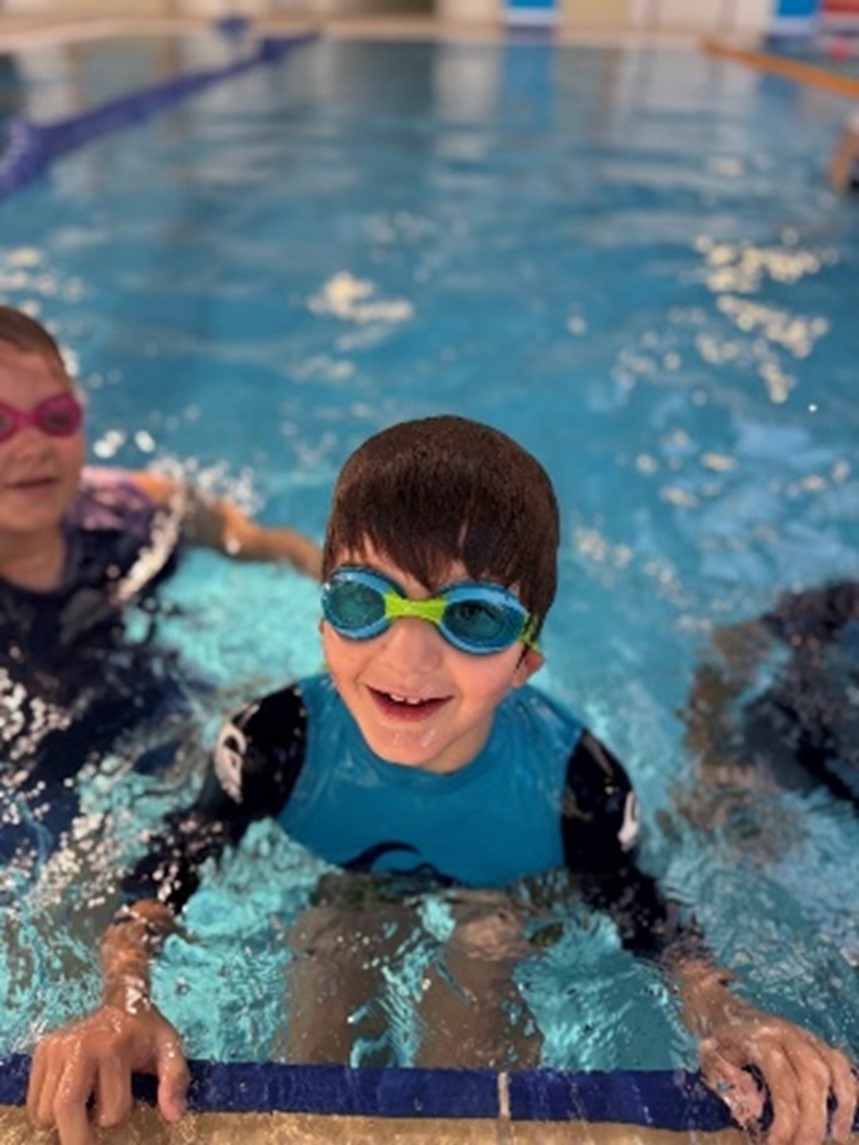
Our Year 2 students have also been making a splash in their weekly swimming program! As part of the NSW PDHPE syllabus, these fun and engaging lessons are helping students build essential water safety skills, grow their confidence in the water, and develop key swimming techniques.
Alongside their time in the pool, students are also learning important independence skills—taking responsibility for their belongings and managing getting changed on their own. It’s been fantastic to see their confidence grow both in and out of the water!
God bless,
Mrs Kathryn Watkins
Deputy Head of Junior School – Teaching and Learning