
Raising Powerful Learners
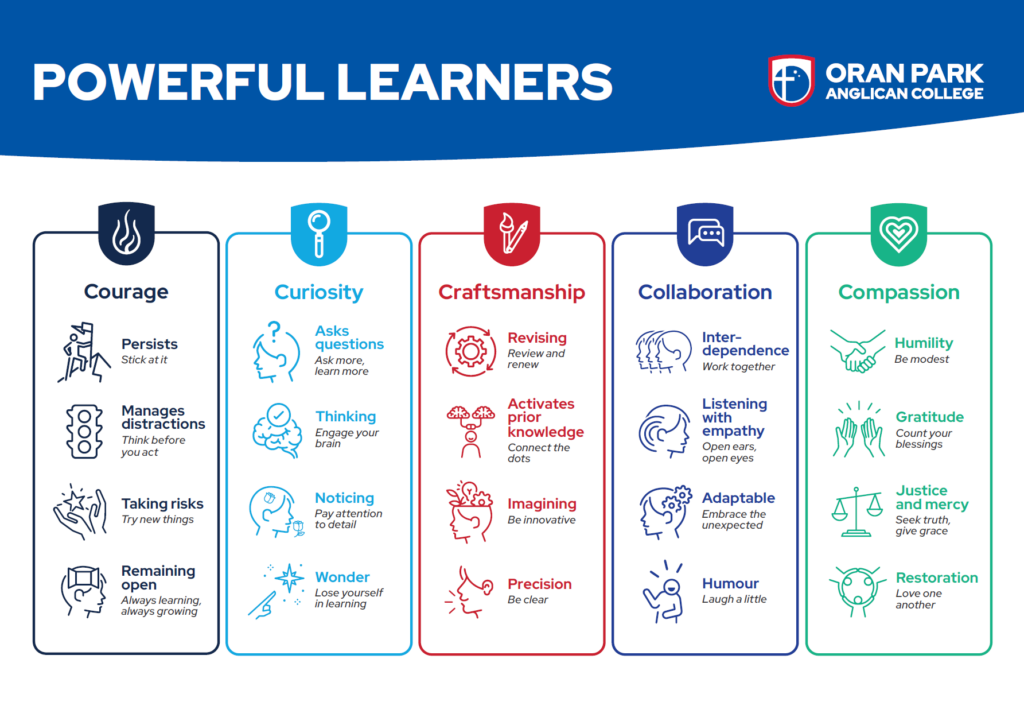
As we begin a new school year, I want to share our framework that guides and shapes the way our students learn, think and flourish at OPAC. Our mission is not only to help young people succeed academically, but to equip them with the character, habits and capacities they need to become lifelong learners. This vision comes to life through our Powerful Learner Framework.
Across the top of the framework sit our five College values of Courage, Curiosity, Craftsmanship, Collaboration and Compassion. These are the qualities we hope every child will carry with them well beyond their school years.
Beneath each value are the learner dispositions. These are the specific actions, mindsets and habits that help students understand how to live these values daily. Whether it is persisting through challenges, asking thoughtful questions, imagining new possibilities, listening with empathy or practising humility and gratitude, these dispositions give students a shared language for understanding themselves as learners.
It is important to note that these behaviours are not left to chance. They are intentionally taught, modelled and named in our classrooms. This provides a strong foundation for learning, helping children grow not only in knowledge, but in character, resilience and agency.
How Learning Happens
Alongside our Powerful Learner Framework, we’ve also been exploring some fascinating research about how learning happens and why certain approaches support deeper understanding. Drawing on the work of cognitive scientist Professor Daniel Willingham and ideas from Cognitive Load Theory, we’ve been engaging with questions that help us better understand the learning process itself.
Five big ideas, in particular, have provided an opportunity for rich conversations within our College:

1. Schema in Long‑Term Memory
Students learn best when new ideas connect to the knowledge they already hold. The richer and more organised their long‑term memory becomes, the more powerful their learning.

2. Thinking Is the Key to Learning
Learning happens when students think deeply. Our lessons are designed to prompt meaningful thinking - analysing, questioning, applying, imagining and making connections.

3. Working Memory Is Limited
Children can only hold a small amount of information at once. This means our teaching must be clear, structured and intentional, reducing unnecessary load so students can focus on what matters most.

4. Forgetting Is Natural and Retrieval Strengthens Memory
We expect students to forget things! That’s why we deliberately build in retrieval practice through daily reviews: recalling information strengthens understanding over time and helps learning stick.

5. Focusing Attention Requires Effort and Motivation
Attention is not automatic. We work hard to design learning that captures student interest, builds success, strengthens motivation and supports them in directing their focus.
Together, these principles shape a learning environment where children feel safe to grow, empowered to think and equipped with the habits of powerful lifelong learners.
Want to Learn More? Listen to Our Podcast!
For families who would like a deeper look at the thinking behind how we learn, I have created a new podcast series that explores the science of learning. I hope this gives you a meaningful window into the learning culture we are building together. I look forward to partnering with you throughout the year as we help our students grow in confidence, curiosity, courage and character.
Curiosity, Craftsmanship and New Beginnings in Prep
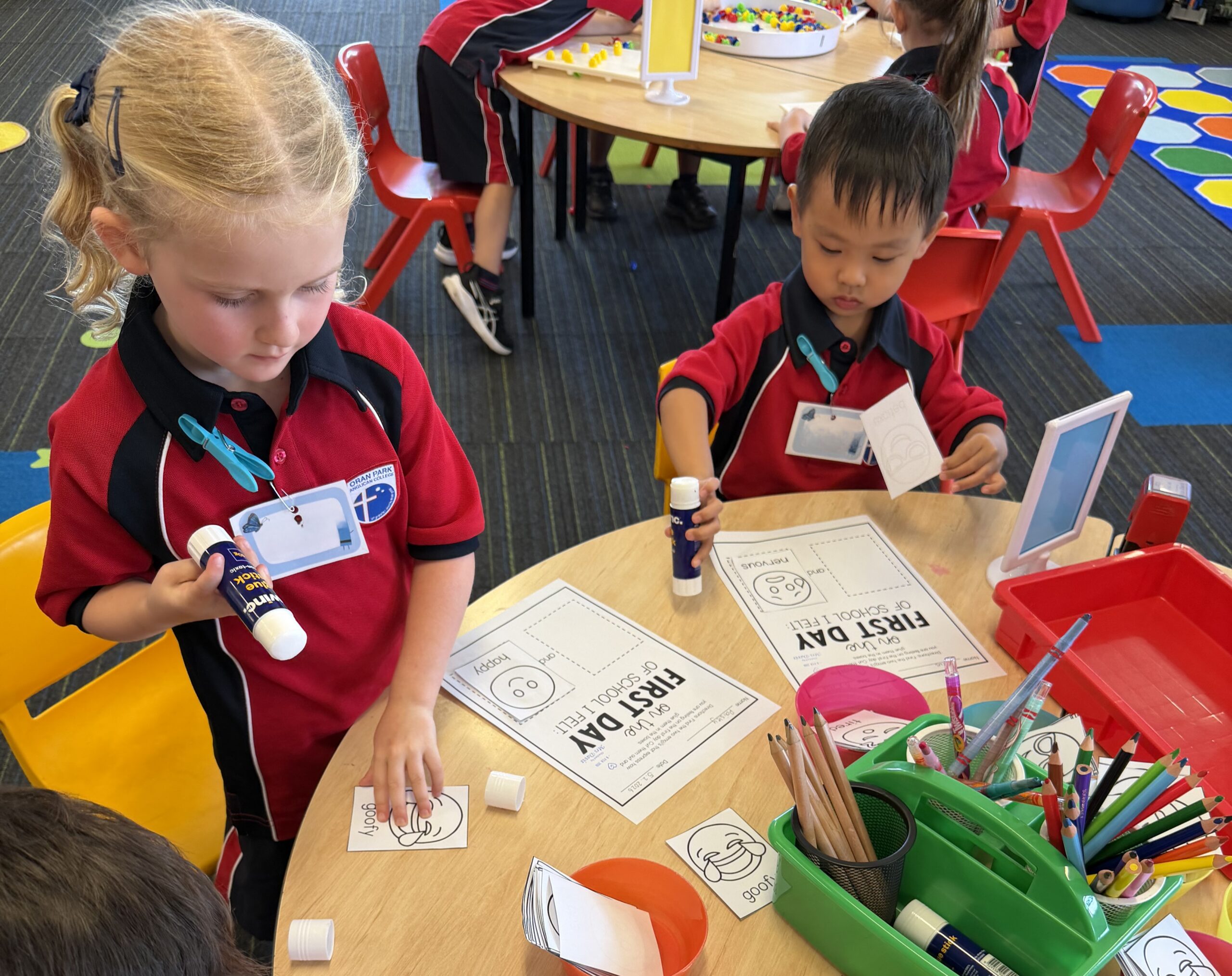
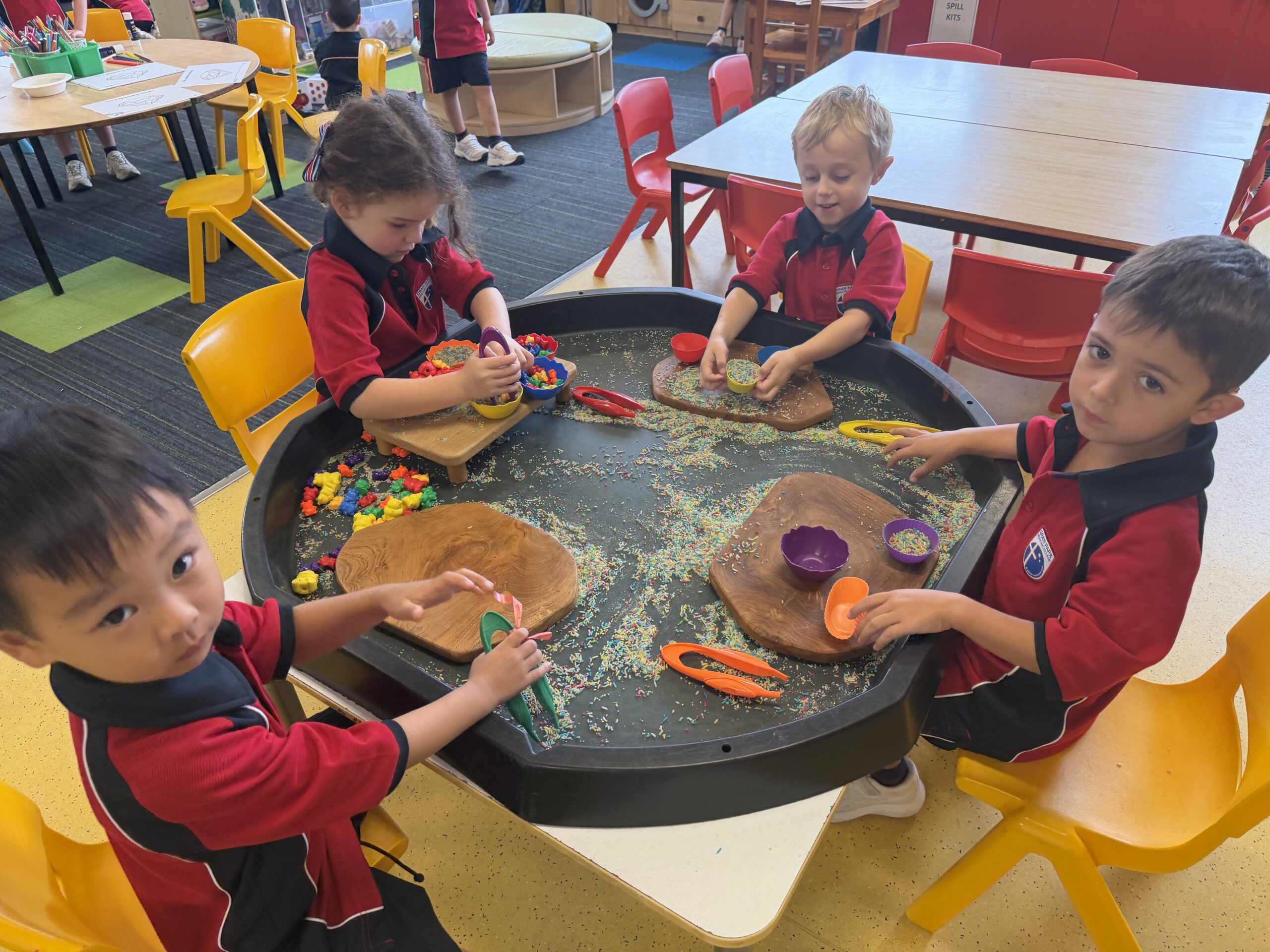
Prep have settled beautifully into their learning environment and are approaching each day with curiosity and enthusiasm!
We have already established our routines for eating, playing, and working, and the children are confidently moving through our four colour‑rotation groups.
Our nursery‑rhyme learning has been a wonderful opportunity for the children to explore stories through listening, reading, craft and singing. Their growing craftsmanship is evident as they take pride in their creations and develop increasing care and precision in their work.
Prep have also begun building their gross‑motor skills through sport, practising throwing and catching a ball and climbing on the playground equipment. We have added scissor‑cutting to our growing list of skills too, and the children are demonstrating both curiosity and craftsmanship as they learn to use scissors safely and accurately.
Building Courage and Confidence in Kindergarten
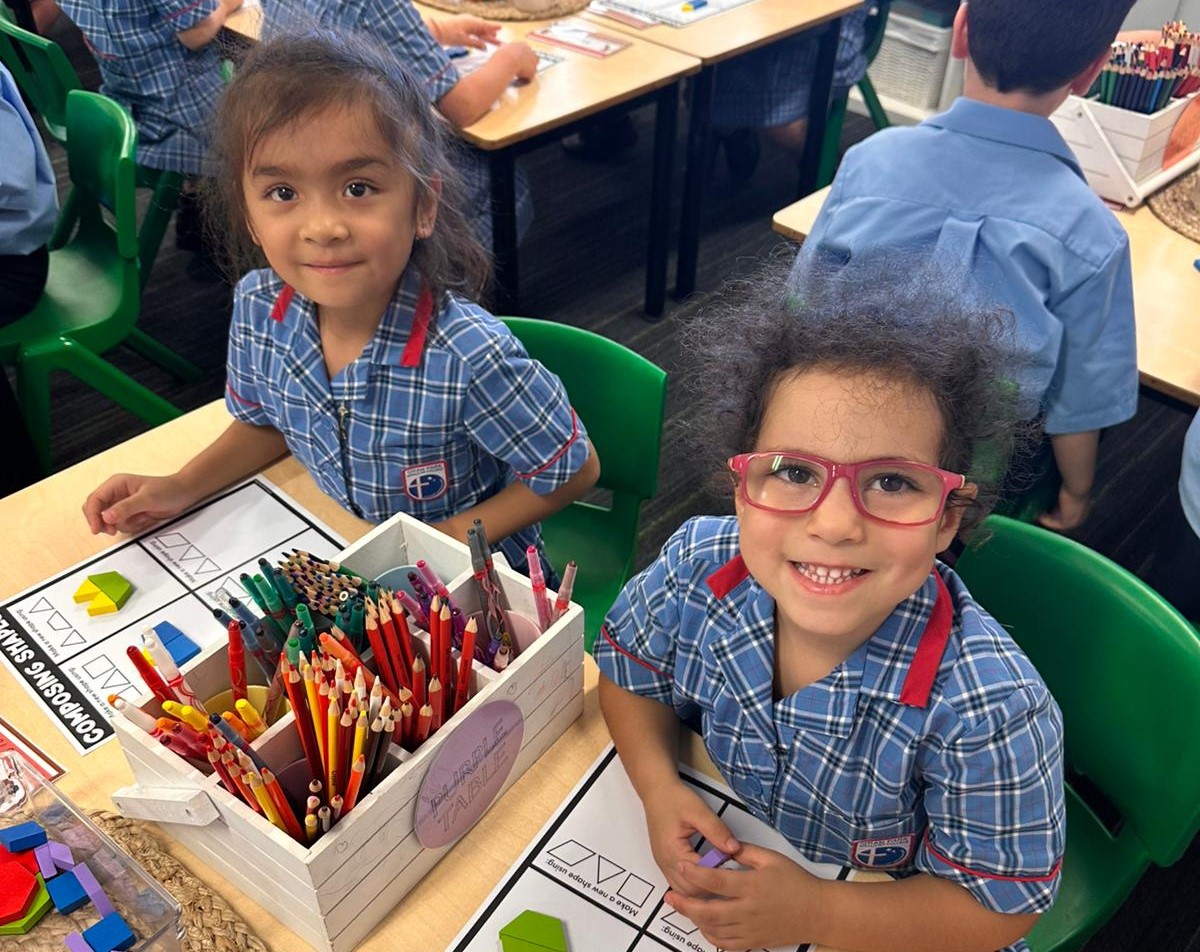
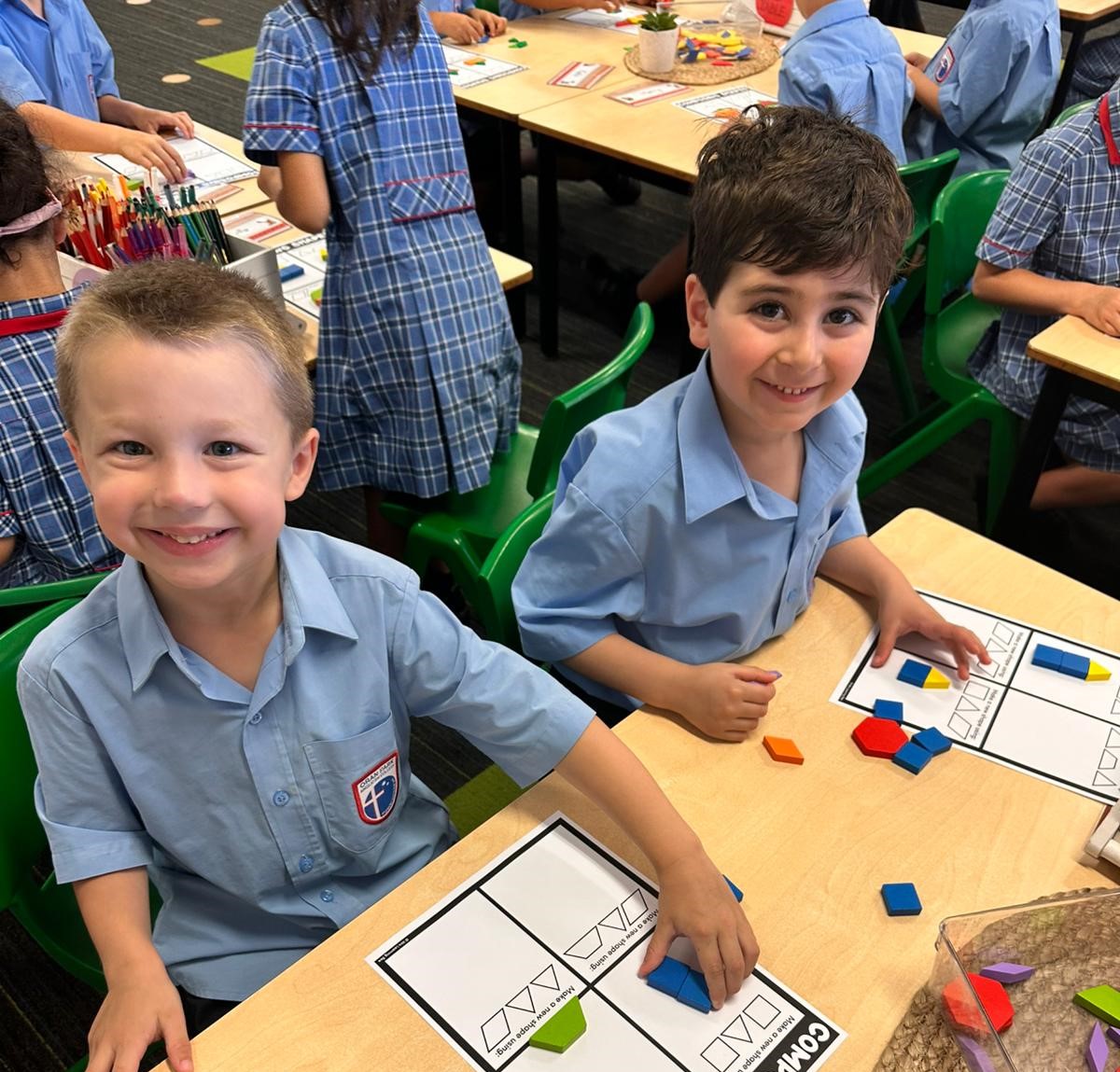
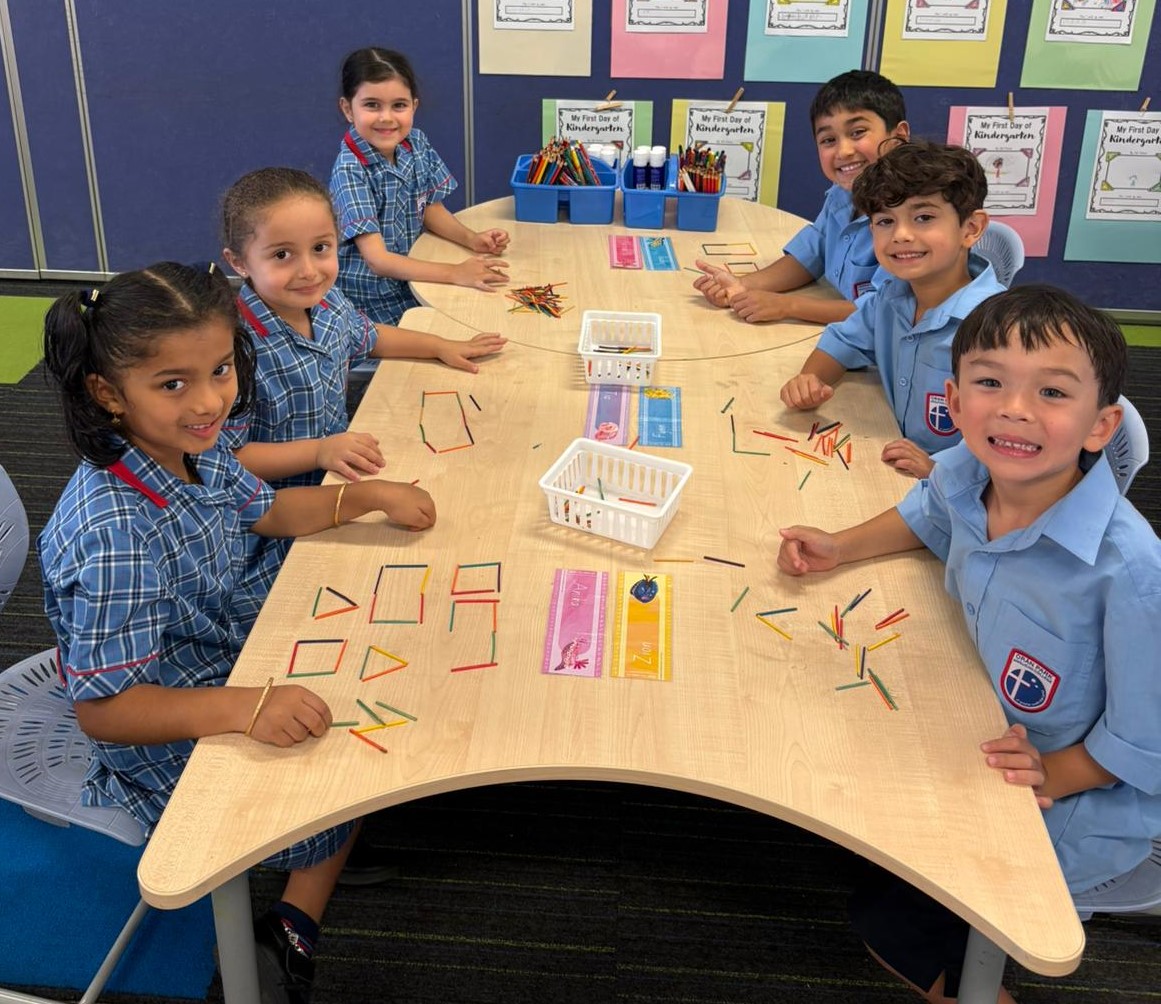
Starting school is a significant milestone for our youngest learners, and we have been incredibly proud of the courage and resilience shown by our Kindergarten and Prep students as they settle into this new adventure.
Courage in the classroom looks like having a go at tricky tasks, putting your hand up to share an idea, trying again when something feels challenging and being brave enough to make mistakes and learn from them. Our youngest learners are building confidence each day as they step outside their comfort zones, support one another and celebrate their efforts. It has been wonderful to see so many brave choices and increasing independence across our classrooms. With each new day, they continue to grow in confidence, curiosity and friendship, building a strong foundation for their learning journey ahead.
God bless,
Mrs Kathryn Watkins
Deputy Head of Junior School – Teaching and Learning