Why Camps Fast-Track Confidence and Growth
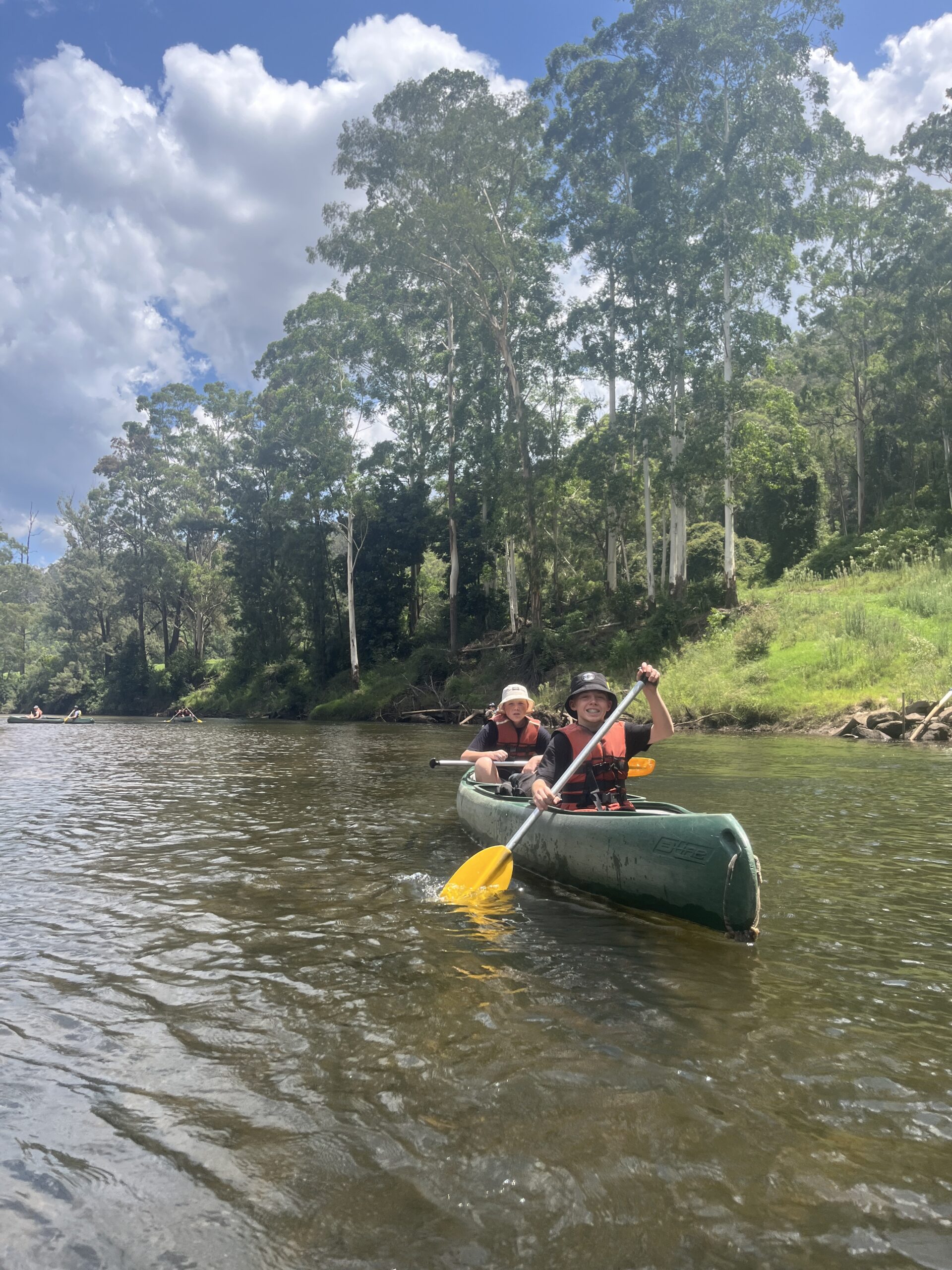
Did you know that students who attend school camps often show a 20–30% increase in resilience and confidence compared to their peers who don’t?
Research consistently highlights the transformative power of these experiences—and I’ve seen it firsthand.
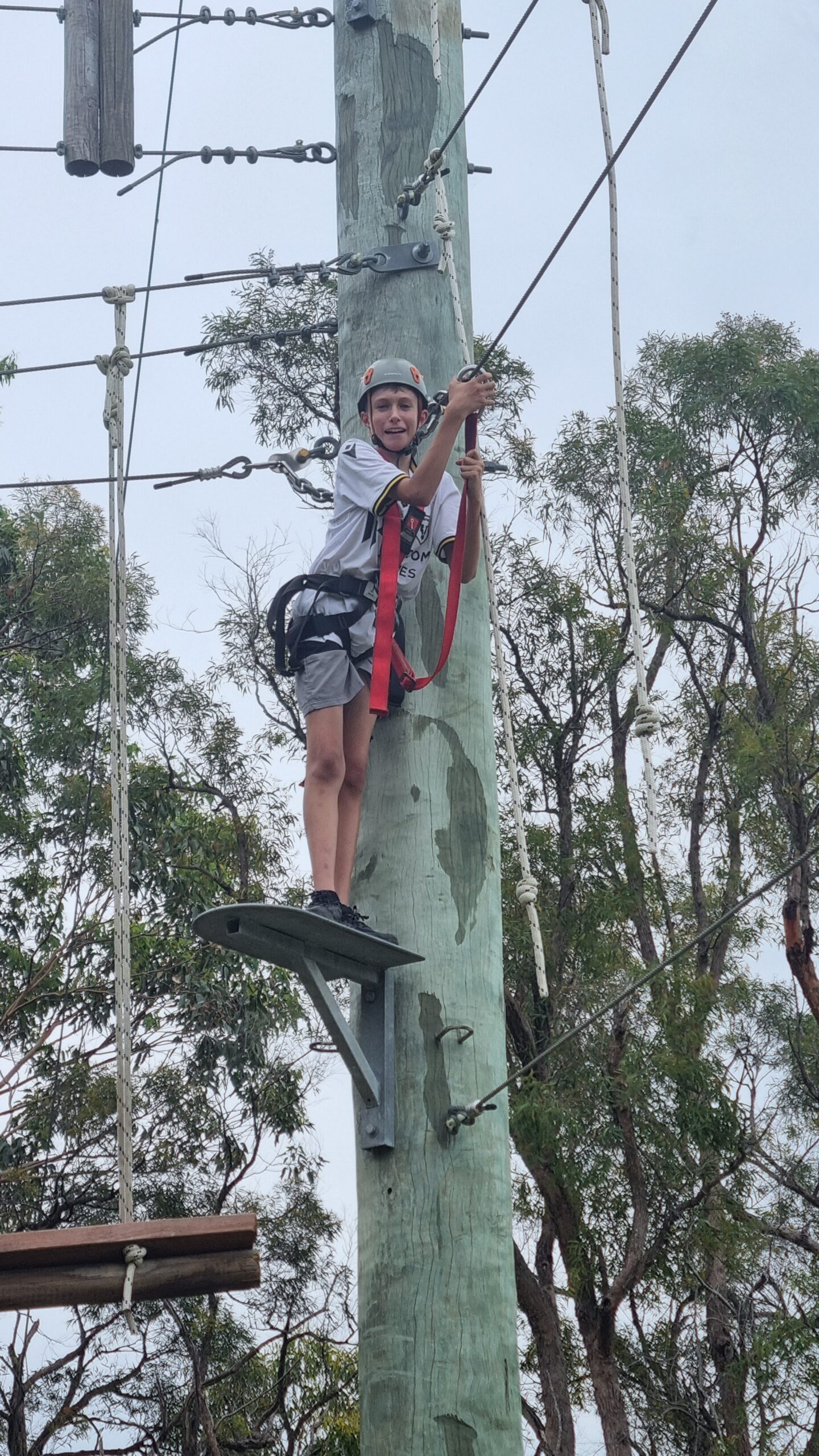
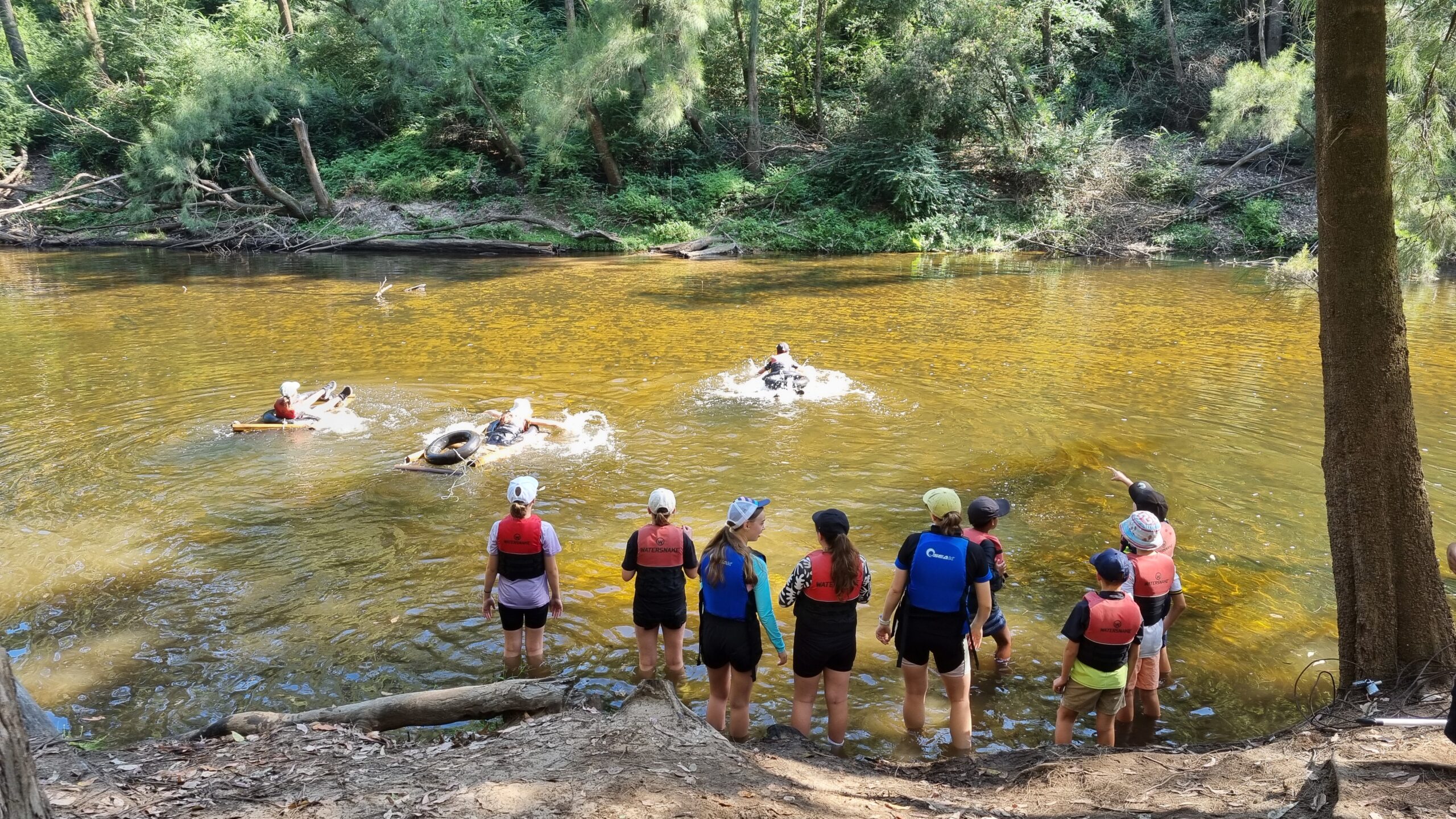
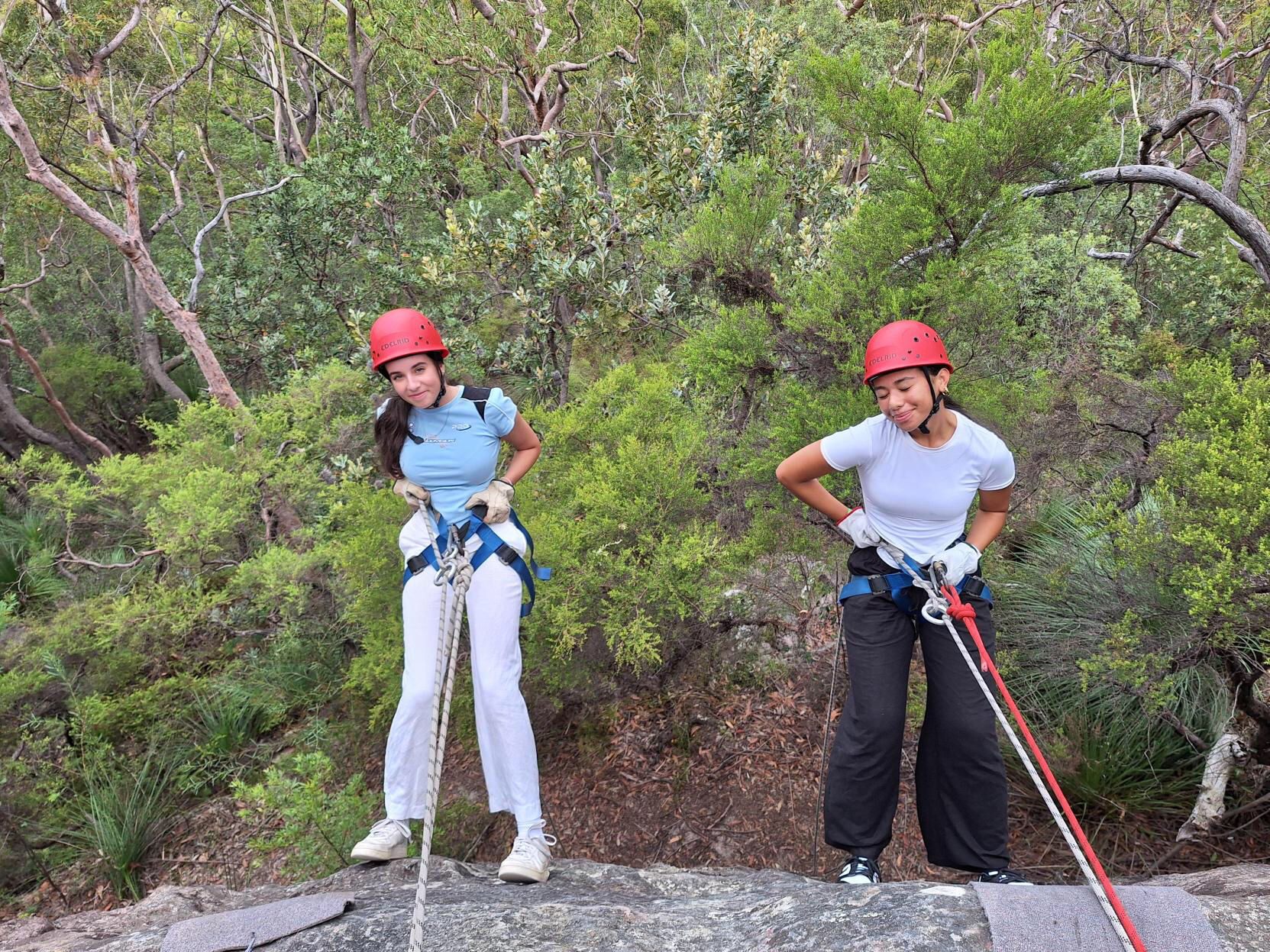
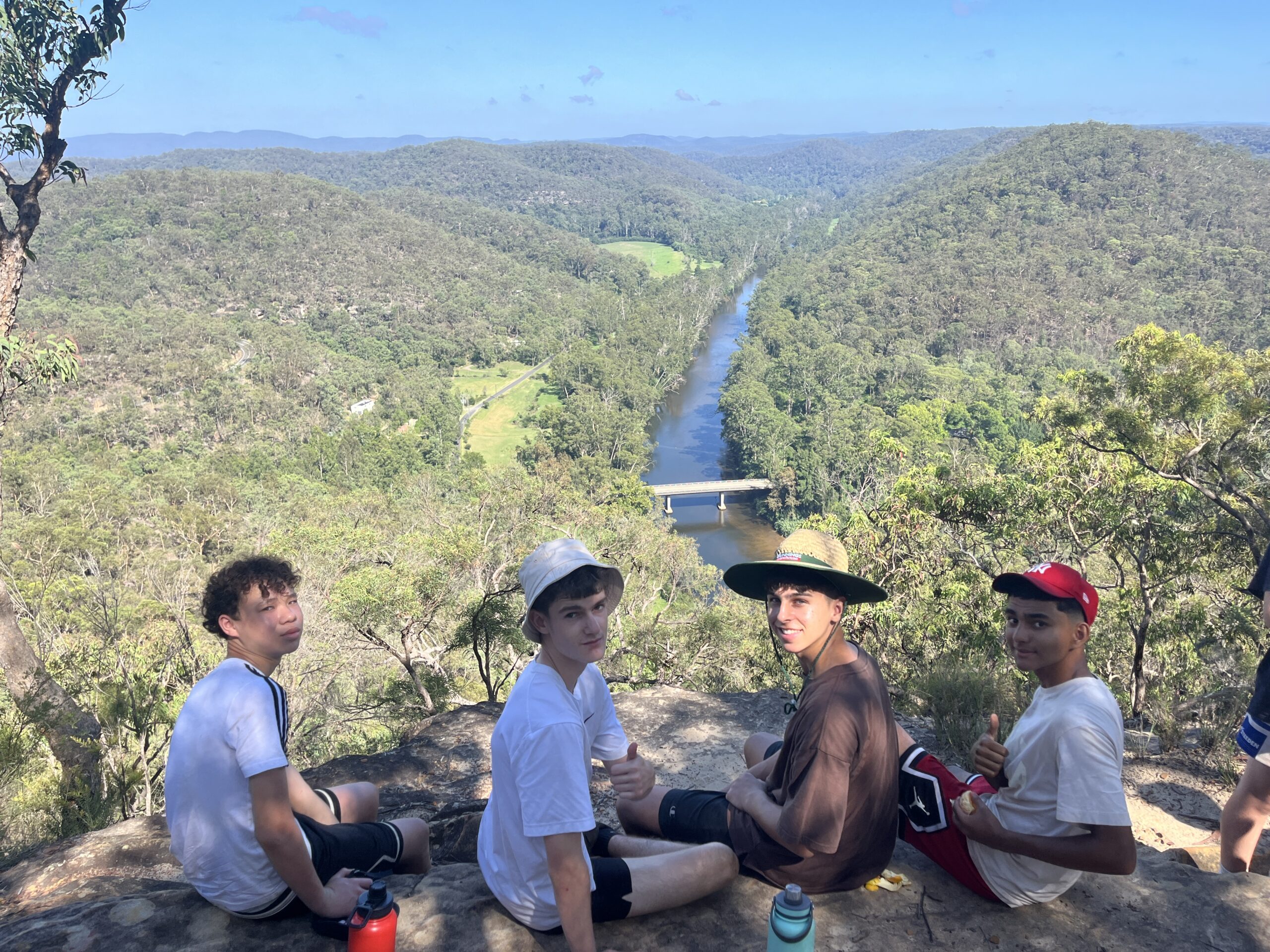
As we prepare for Term 1, 2026 camps and notice some early leave applications. Camps can feel daunting, especially for students unfamiliar with outdoor adventures. But rather than opting out, let’s work together to make this opportunity accessible and positive for your child.
Our wellbeing team is ready to provide support, and I’ve witnessed countless moments where hesitant students return with a renewed sense of independence and connection. Just three days away from home—filled with fun, challenging activities and new friendships—can become a turning point in a student’s growth. Please rest assured that we take every precaution at camps to ensure both the physical and mental wellbeing of our students.
While we are on the topic, at the College and beyond, we are keen for students to experience some discomfort, challenge and healthy stress. Adam Voigt expresses such a philosophy, a little provocatively in the article below.
God bless,
Mr Steve Owen
Deputy Principal – Head of Senior School
Safety Schools (by Adam Voigt)
There’s a beach close by my home called Safety Beach. You can walk 100 metres out and the water’s still only at your hips. It’s safe. Predictable. Risk-free. And it’s pretty boring. It’s not where you go to surf, snorkel or feel invigorated. It’s where you go to not drown.
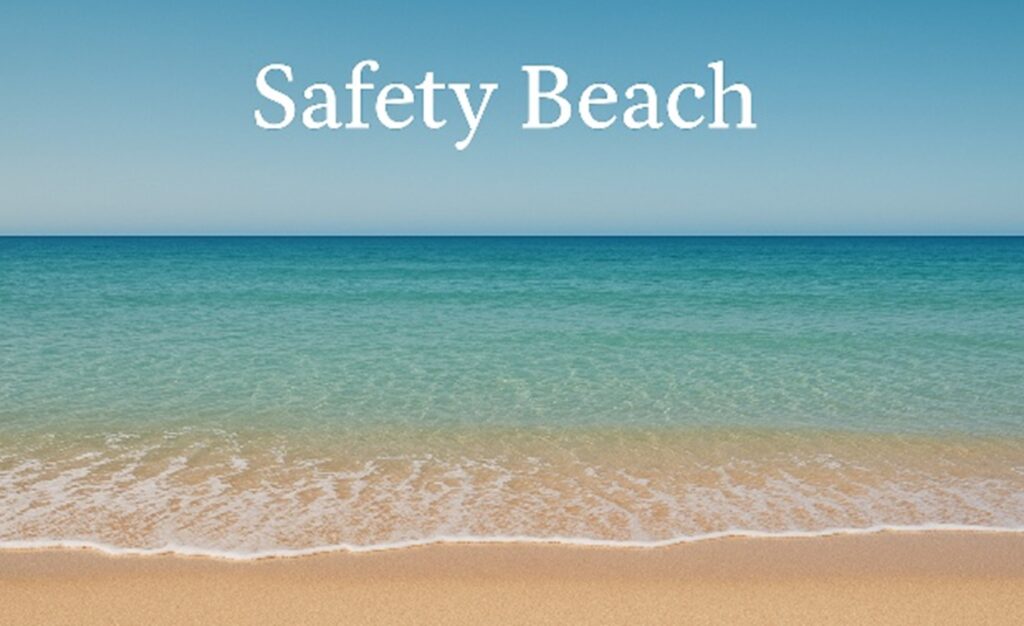
Too many schools have become Safety Beach. In our obsession with safety – physical, emotional and social – we’ve drained the challenge and discomfort out of school life. In too many instances we’ve made school calm, controlled and utterly uninspiring.
We call it “duty of care,” or sometimes even “trauma-informed” or “zero tolerance,” but too often that’s just code for fear. Schools have become utterly terrified of conflict, parent complaints, unpredictability and criticism from unqualified pundits.
So, we bubble-wrap the students. We let them redo every task. We script every conversation. We cancel the rough-edged stuff – the debates, the competitions, the confronting tasks – because someone might get upset. And then we wonder why persistence, resilience and courage are vanishing.
Psychologist Angela Duckworth’s work on grit tells us the opposite of safety isn’t danger. It’s growth. Kids get stronger when they struggle and recover, not when we save them from the waves.
Yes, safety matters. But in moderation only. It’s time to let kids wade out further, at least where they perceive greater risk (even though in the background we have mitigated such risks). We should let them fall, argue, lose, apologise and then try again. Let them learn they can stand back up.
The safest beach in the world isn’t where you learn to swim.
Written by Adam Voigt.
Originally posted on realschools.com.au.