
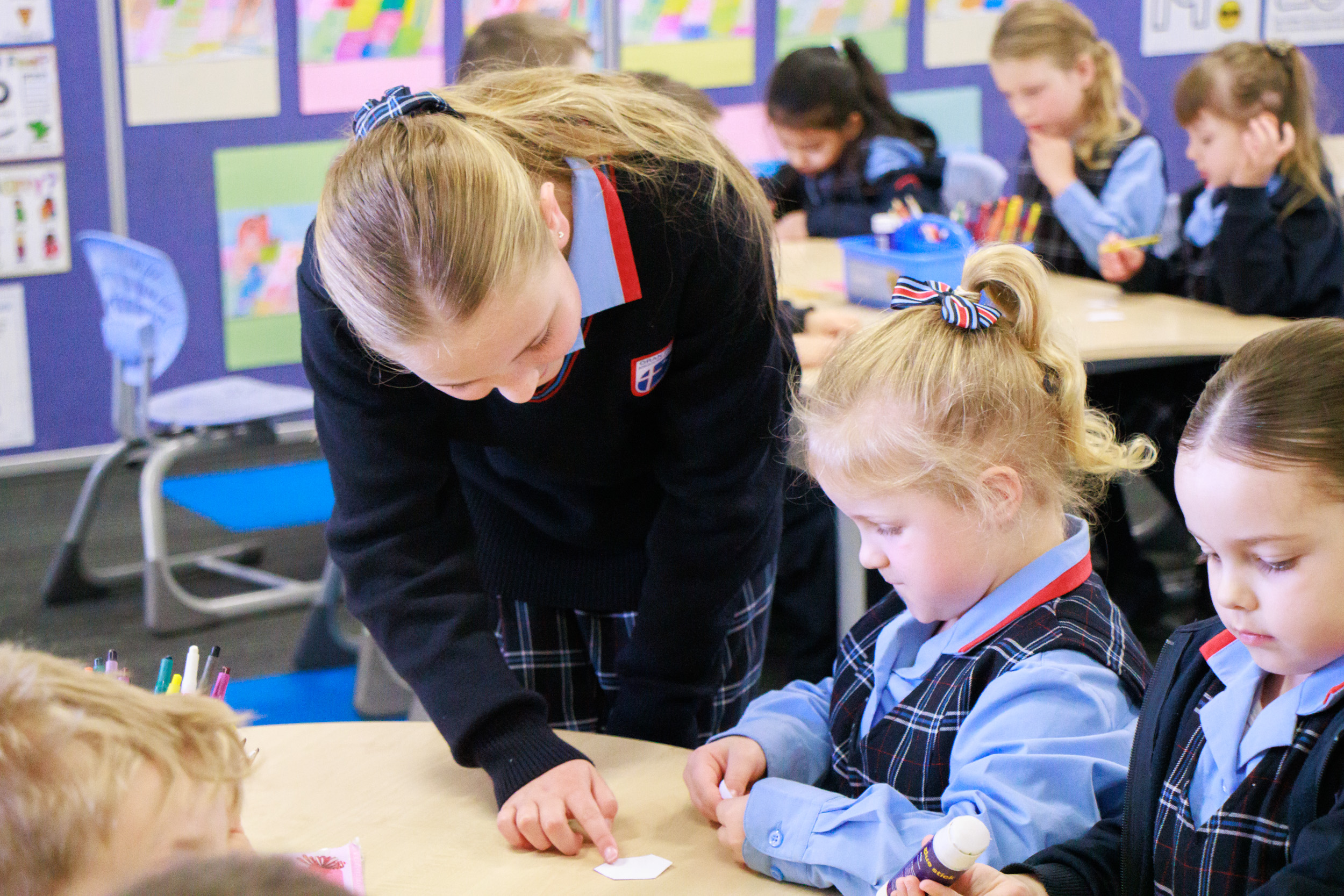
The Power of Real Connection
In an increasingly connected world, it is somewhat paradoxical that many children and teenagers are experiencing growing levels of loneliness. While technology has opened extraordinary opportunities for communication, it has also reshaped how relationships are formed—and not always for the better.
We are seeing a growing trend of young people turning to online friendships, virtual communities, and even AI companionship to meet their relational needs. These interactions can feel safe and predictable. Digital platforms—and particularly AI—are often designed to affirm, agree and please the user. There is little risk of misunderstanding, disagreement or rejection.
Why Face‑to‑Face Relationships Matter
Yet, it is within the complexity of real, face-to-face relationships that young people experience the richest growth.
Authentic friendships require patience, empathy, forgiveness, and resilience. They involve navigating differences, reading emotions, repairing misunderstandings, and learning to put others before ourselves. These are not simply “social skills”—they are essential life skills that shape character, wellbeing, and a sense of belonging.

How OPAC Supports Healthy Relationships
At Oran Park Anglican College, we are deeply committed to fostering meaningful, in-person connections for every student. We recognise that while these relationships can sometimes be challenging, they are essential for healthy development and flourishing.
In the Junior School, our Friendology program explicitly teaches students how to build and sustain strong friendships. Through age-appropriate lessons, students learn how to include others, manage conflict, respond to “friendship fires” and develop emotional awareness. These foundational skills equip our youngest learners to engage with one another in ways that are kind, respectful and life-giving.
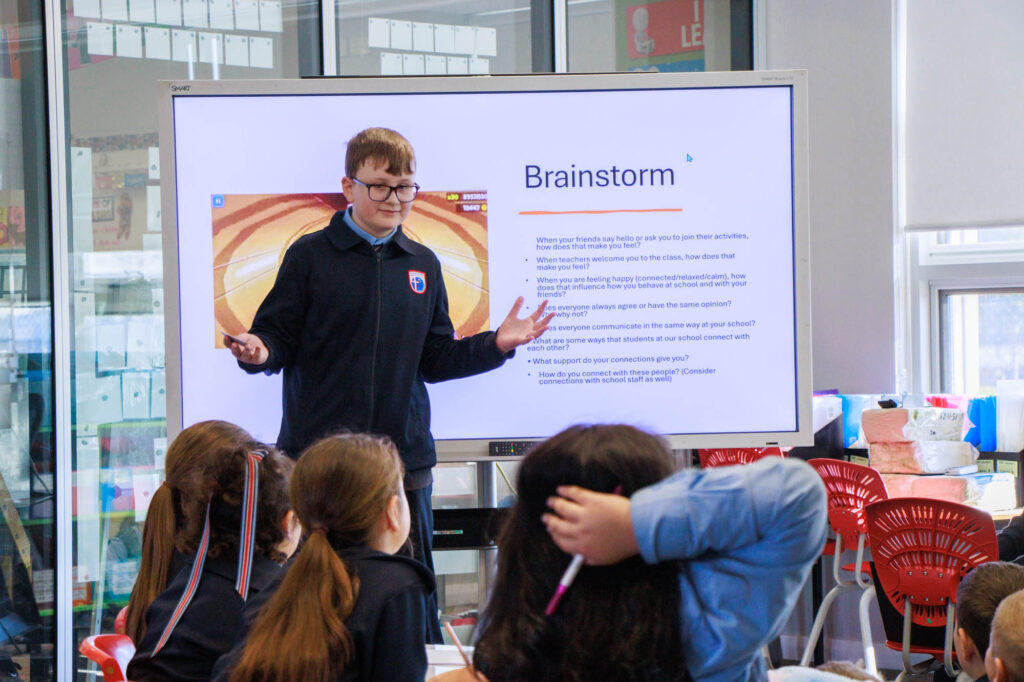
In the Senior School, this work continues through our Peer Support program and Assembly focus, where students are guided in understanding the complexities of adolescent relationships. We speak openly about friendship dynamics, peer influence, conflict resolution, and the importance of respect and integrity in all interactions. These initiatives create space for students to reflect, learn and grow together as they navigate an increasingly complex social world.
A Christian Perspective on Love and Relationships
As a Christian college, our approach to relationships is grounded in something deeper than social convention—it is anchored in the teachings of Jesus. When Jesus calls us to “love your neighbour as yourself” (Mark 12:31), He sets a profound and challenging standard. This kind of love is not fleeting or self-serving; it is patient, sacrificial and outward-focused.
Learning to live this out—especially in the everyday realities of college life—is one of the most important lessons our young people can learn. It calls us to listen before we speak, to forgive when we are hurt, to include those on the margins, and to act with compassion even when it is difficult.
In a world where artificial relationships can be carefully curated and controlled, we want our students to experience the beauty and depth of real community—where they are known, valued, and challenged to grow.
Partnering With Families
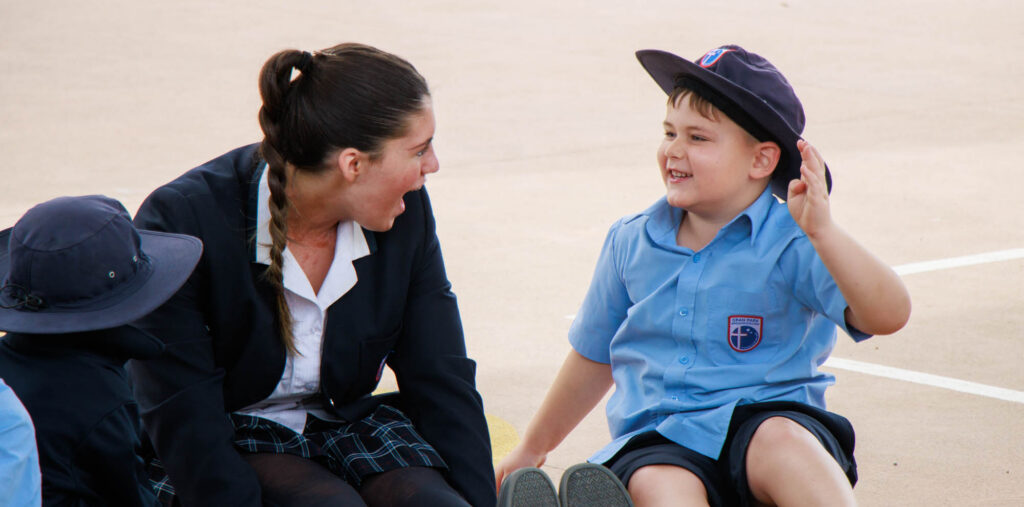
As parents and educators, we have a shared responsibility to guide our children towards these authentic connections. This may mean encouraging more face-to-face interaction, setting boundaries around technology use, and modelling healthy relationships in our own lives.
Our prayer is that every student at the College would experience genuine belonging—not through a screen, but through real relationships that reflect the love, grace, and truth of Christ.
“Love is patient, love is kind. It does not envy, it does not boast, it is not proud. It does not dishonor others, it is not self-seeking, it is not easily angered, it keeps no record of wrongs. Love does not delight in evil but rejoices with the truth. It always protects, always trusts, always hopes, always perseveres. Love never fails.”
1 Corinthians 13:4-8a
God bless,
Mrs Naomi Wilkins
Principal