
Contents
Celebrating Community, Literacy and Learning
The past few weeks have been filled with wonderful opportunities for our school community to come together, celebrate learning and create lasting memories.
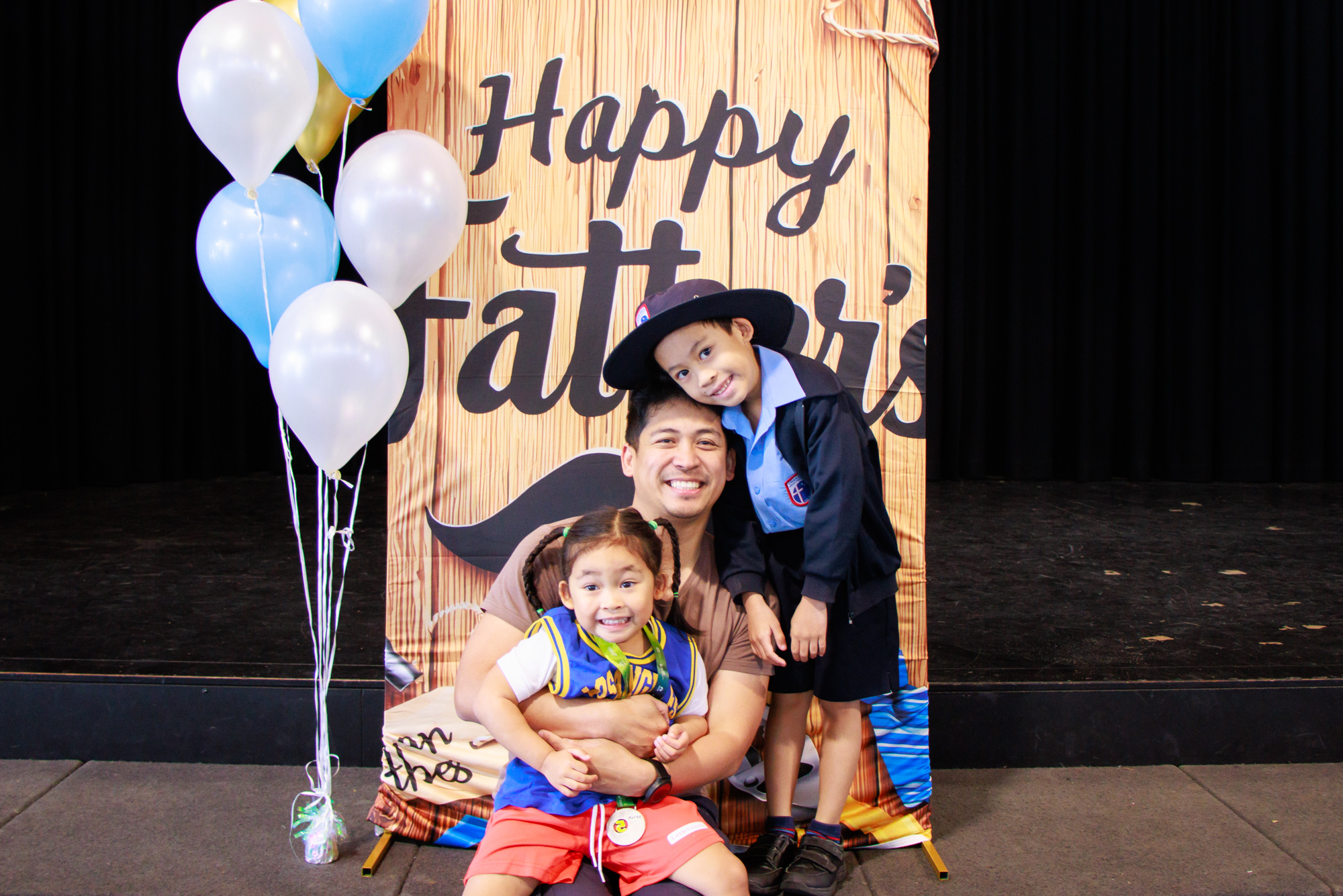
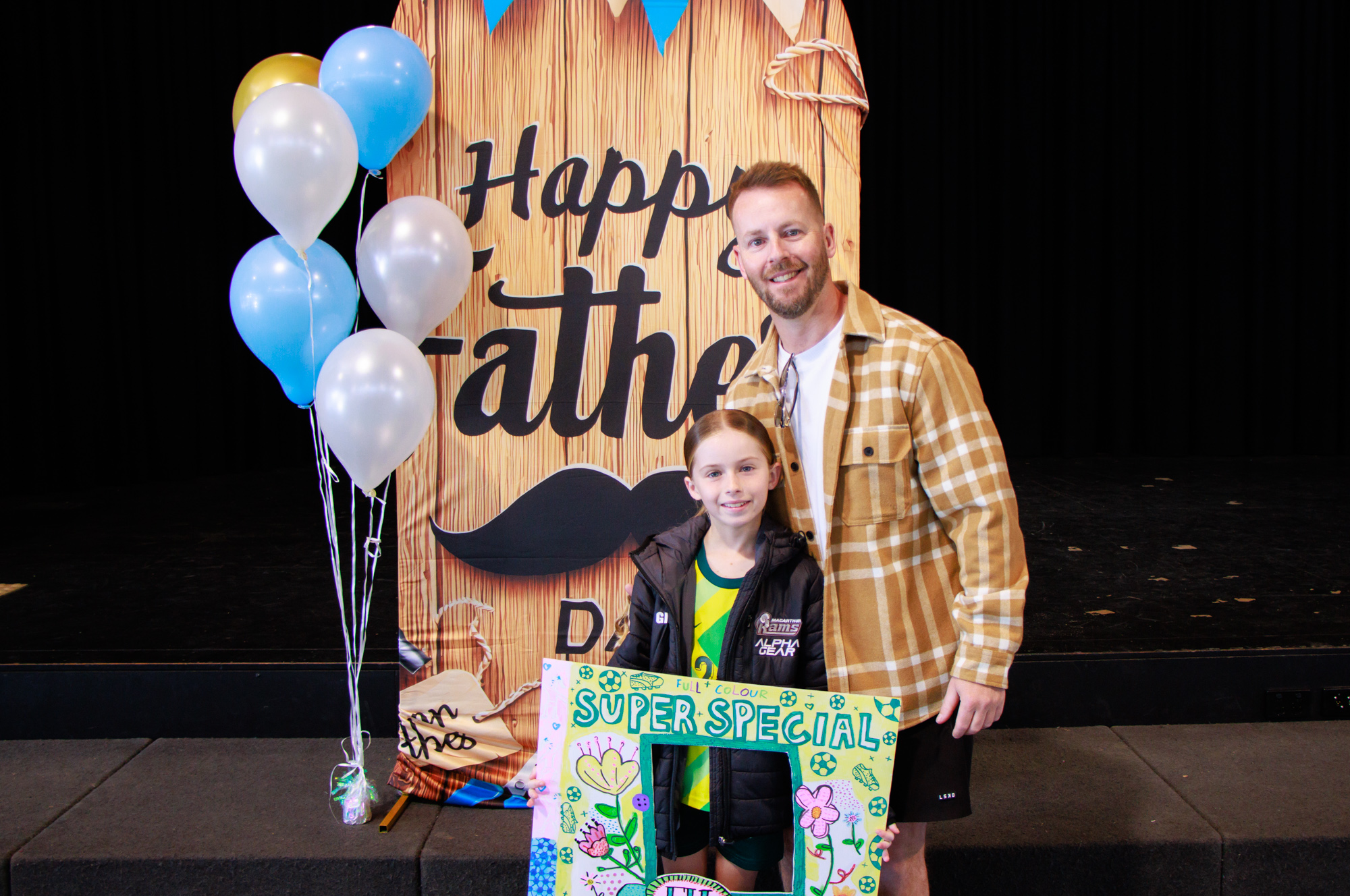
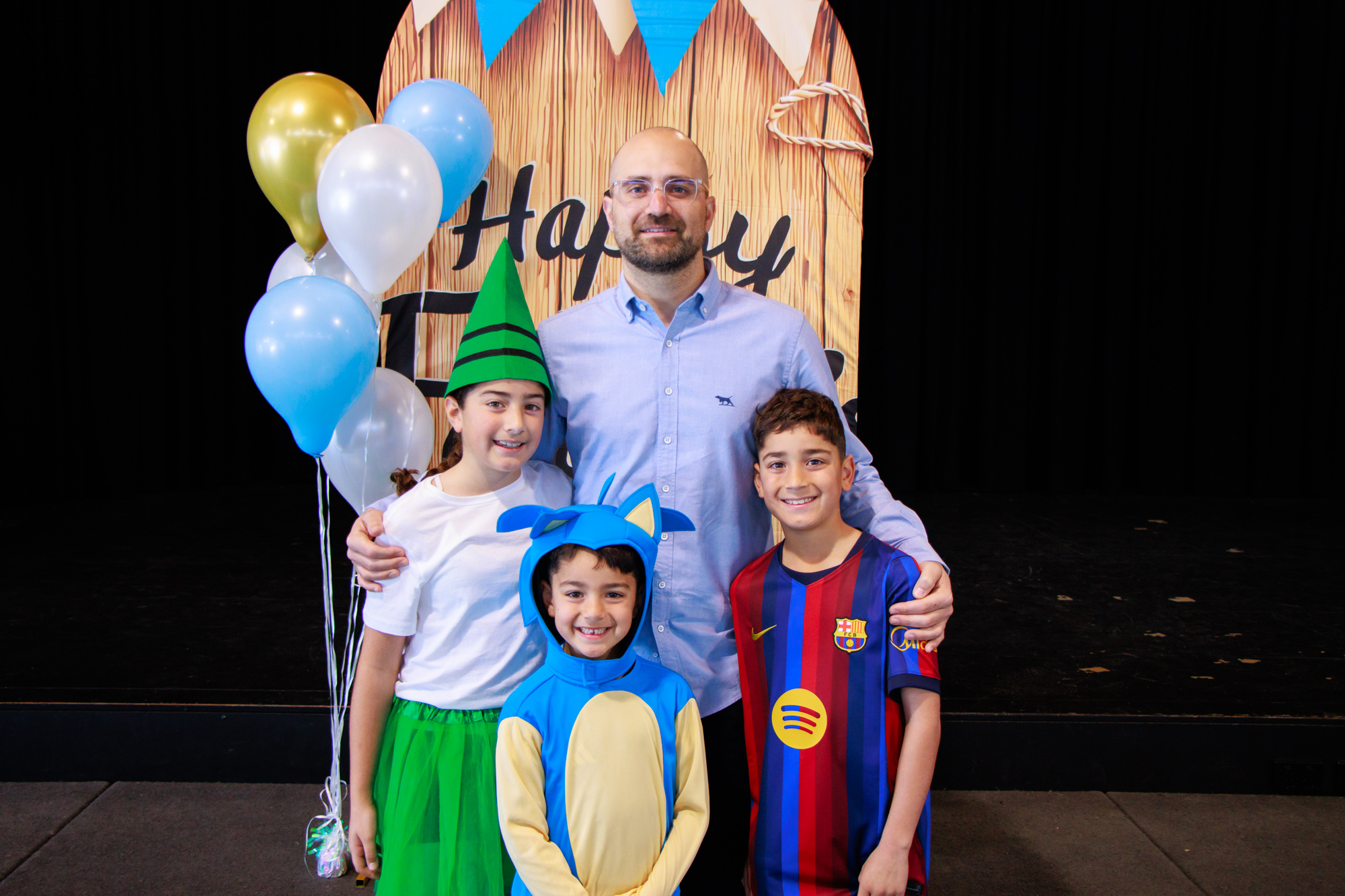
We were delighted to welcome so many fathers, grandfathers, uncles and special friends to our annual Father’s Day Breakfast. The morning provided a wonderful opportunity for students and their loved ones to spend quality time together before the school day began. The smiles, conversations and shared laughter created a warm atmosphere that highlighted the importance of strong family connections and community partnerships. A special thank you to the staff and student volunteers who assisted with the organisation of the event, ensuring that our guests felt welcomed and appreciated.
Book Week
Book Week was undoubtedly a highlight of the term, with students enthusiastically embracing this year’s theme of ‘A Symphony of Stories’, celebrating and demonstrating their love of reading and storytelling.
The much-anticipated Book Week Parade was a spectacular event, showcasing creative costumes inspired by favourite book characters. Students and staff alike embraced the spirit of the week, bringing stories to life through their imaginative dress-ups. It was wonderful to see the excitement on students’ faces as they paraded their characters for the school community.
Throughout the week, classrooms were alive with rich literature experiences, engaging discussions and activities that celebrated the joy and power of reading. Students explored new texts, shared favourite stories and developed a deeper appreciation for the role books play in expanding our understanding of the world.
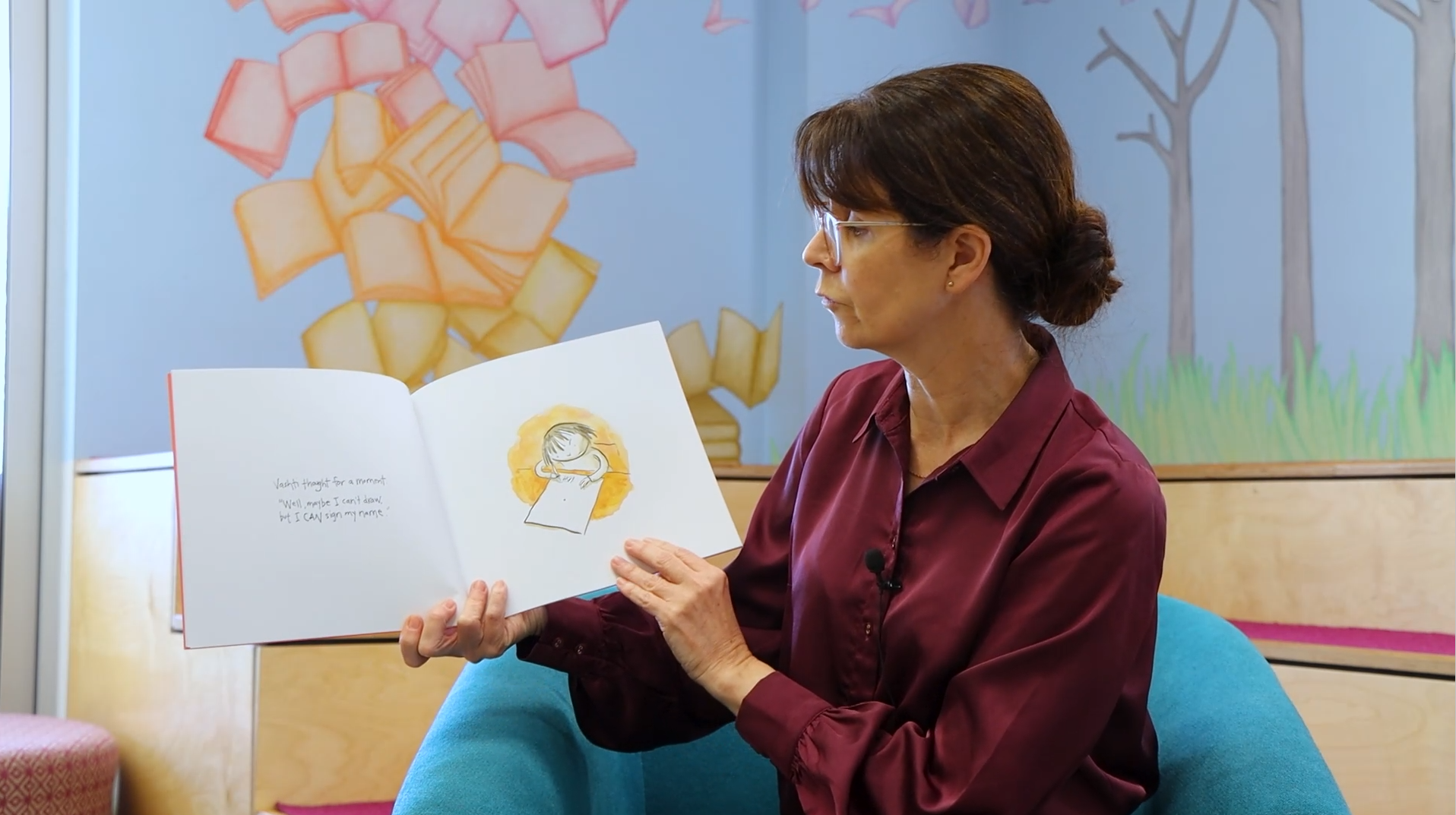
A particular highlight of Book Week was the visit from Hardie Grant publisher Paul Carlile, who shared the world of publishing and books with each of our classes. Students also had the opportunity to create a shoebox diorama. A particular highlight this year were the videos of Mrs Wilkins, Mr Renshaw, Mr Bannister and Mrs Gillies reading a picture book. I also loved taking part in this book reading extravaganza. These videos were shown to every class during the week.
Our Book Fair provided children with the opportunity to browse a wide range of books and discover new authors and genres. Beyond fostering a love of reading, purchases from the Book Fair will help support future literacy resources and opportunities for our students.
Experiences such as these inspire young readers and writers, encouraging them to see themselves as storytellers and creators. Thank you to Mrs Grant and her team for their planning and organisation.
One thing that I love about these celebrations is that they remind us of the strength of our school community and the important role families play in supporting student learning. Together, we continue to foster a love of learning, literacy and connection that enriches the educational experience of every child.
Mrs Jenny Squire
Deputy Principal – Head of Junior School
Learning Isn't Just About Working Hard
Recently, I was reflecting on the experience of watching my own sons learn to read. There were moments of excitement as they mastered new sounds, recognised familiar words and proudly finished a book. But there were also moments of frustration when a word didn’t make sense, progress felt slow or confidence wavered.
It reminded me of an important truth:
Learning is not always comfortable.
As parents, we often hope our children will enjoy learning and experience success. Yet genuine learning frequently involves challenge, mistakes and perseverance. In fact, if children never find something difficult, they are probably not learning anything new.
In a recent episode of Raising Powerful Learners, I explored five key ideas that can help children navigate challenges and become more effective learners.

Acknowledge Emotions
When children struggle with a task, they may feel frustrated, embarrassed or worried. These feelings are completely normal. Helping children recognise and talk about their emotions often allows them to move forward more effectively.

Many schools use the concept of the Learning Pit to explain this experience. The Learning Pit reminds children that confusion and challenge are not signs of failure. Often, they are signs that meaningful learning is taking place.

Develop a Growth Mindset
A growth mindset is the belief that abilities can improve through effort, practice and effective strategies.
It is the difference between saying, “I’m not good at this” and “I’m not good at this yet.”
That small word, yet, encourages children to see challenges as opportunities for growth rather than reasons to give up.

Understand the Learning Zone
When children are learning something new, they are in the learning zone. This is where mistakes are expected, experimentation is encouraged and growth takes place.
Many children become discouraged because they expect perfect performance while they are still learning. Understanding that mistakes are a natural part of improvement can help build resilience and confidence.

Know When to Switch Zones
Effective learners understand when it is time to practise and when it is time to perform.
Sometimes children need to experiment, take risks and learn from mistakes. At other times, they need to apply what they already know. Being able to move between these modes helps children approach challenges with greater confidence.

Effort and Strategy Matter
Working hard is important, but effort alone is not enough. Success comes from combining effort with effective strategies.
Whether in reading, sport, music or mathematics, children make the greatest progress when they learn not only to work hard, but also to work smart.
As parents, one of the most powerful things we can do is focus on the learning process. Asking questions such as “What strategy did your teacher suggest?” or “How did you solve that problem?” helps children think about how they learn, not just the result they achieve.
Ultimately, powerful learners are not the children who never struggle. They are the children who understand that growth often comes through struggle and who keep moving forward anyway.
Want to Learn More? Listen to Our Podcast!
Families who would like a deeper look at what we’ve explored in this edition of the College newsletter are invited to click the link and listen to our newest podcast episode.
Mrs Kathryn Watkins
Deputy Head of Junior School – Teaching and Learning
Year 5 Students Lead the Way
This term, our Year 5 students have loved stepping into their new role as Peer Support leaders. Each Friday, they have had the opportunity to spend time with younger students, building friendships and helping them learn more about what it means to be a kind and strong friend.
Using ideas from the UR Strong – Friendology program, our Year 5 leaders have been sharing stories, playing games and having conversations about friendships, feelings and tricky situations. It has been wonderful to see them grow in confidence as they lead their groups, encourage younger students and model positive relationships.
For our Year 5 students, Peer Support has been about much more than delivering lessons. It has given them the chance to serve others, build connections and see the difference they can make in the lives of younger students.
Some students reflected:
I’ve really enjoyed playing games, doing circle time and listening to stories with my group. My favourite week was helping our Kindergarten students learn how to name and understand their feelings.
My favourite part has been getting to know students from different year groups and making new connections around our school.
It has been a joy to watch our Year 5 students embrace this opportunity and see the genuine care and encouragement they are showing to their younger peers.
Mrs Kathryn Watkins
Deputy Head of Junior School – Teaching and Learning
Building, Designing and Learning in Year 6
This term, Year 6 students have been engaged in an exciting project-based learning experience that combined mathematics, creativity, and design. Using their understanding of area, volume, measurement, and 3D space, students worked collaboratively to create a Volume Village and independently designed and constructed their own Food Truck models.
Through the Volume Village project, students applied their knowledge of volume by designing and building rectangular prism structures. They explored how buildings can have different dimensions while maintaining the same volume and considered how mathematical concepts are used in real-world architecture and construction.
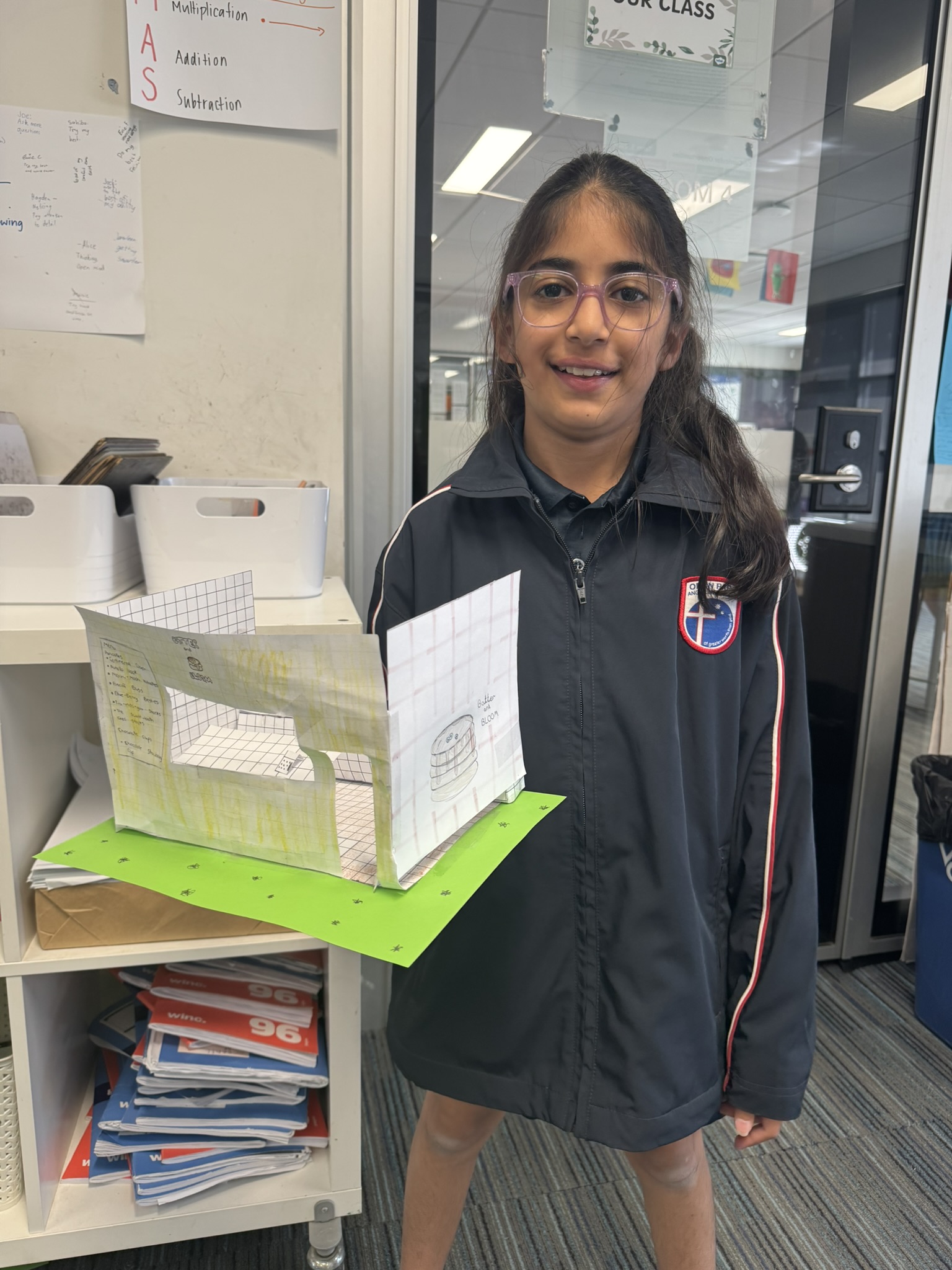
Students also extended their spatial reasoning skills by designing and creating 3D Food Trucks. This project required them to apply their understanding of geometric properties, measurement, area, and volume while developing creative and functional designs.
Throughout these learning experiences, students demonstrated creativity, perseverance, collaboration, and critical thinking. They worked through design challenges, refined their ideas, and used mathematical reasoning to justify their decisions.
We are incredibly proud of the enthusiasm, problem-solving skills, and resilience students have shown as they applied their mathematical learning in meaningful and engaging ways.
Mrs Kathryn Watkins
Deputy Head of Junior School – Teaching and Learning
Celebrating Compassion
OPAC had a wonderful week of generosity, community and plenty of blue as students across OPAC came together to raise funds in support of our Compassion children.
On Thursday 18 September, the Junior School was transformed into a sea of blue as students took part in a special non-uniform day, wearing blue to represent the colours of Compassion and bringing along a gold coin or note as their donation.
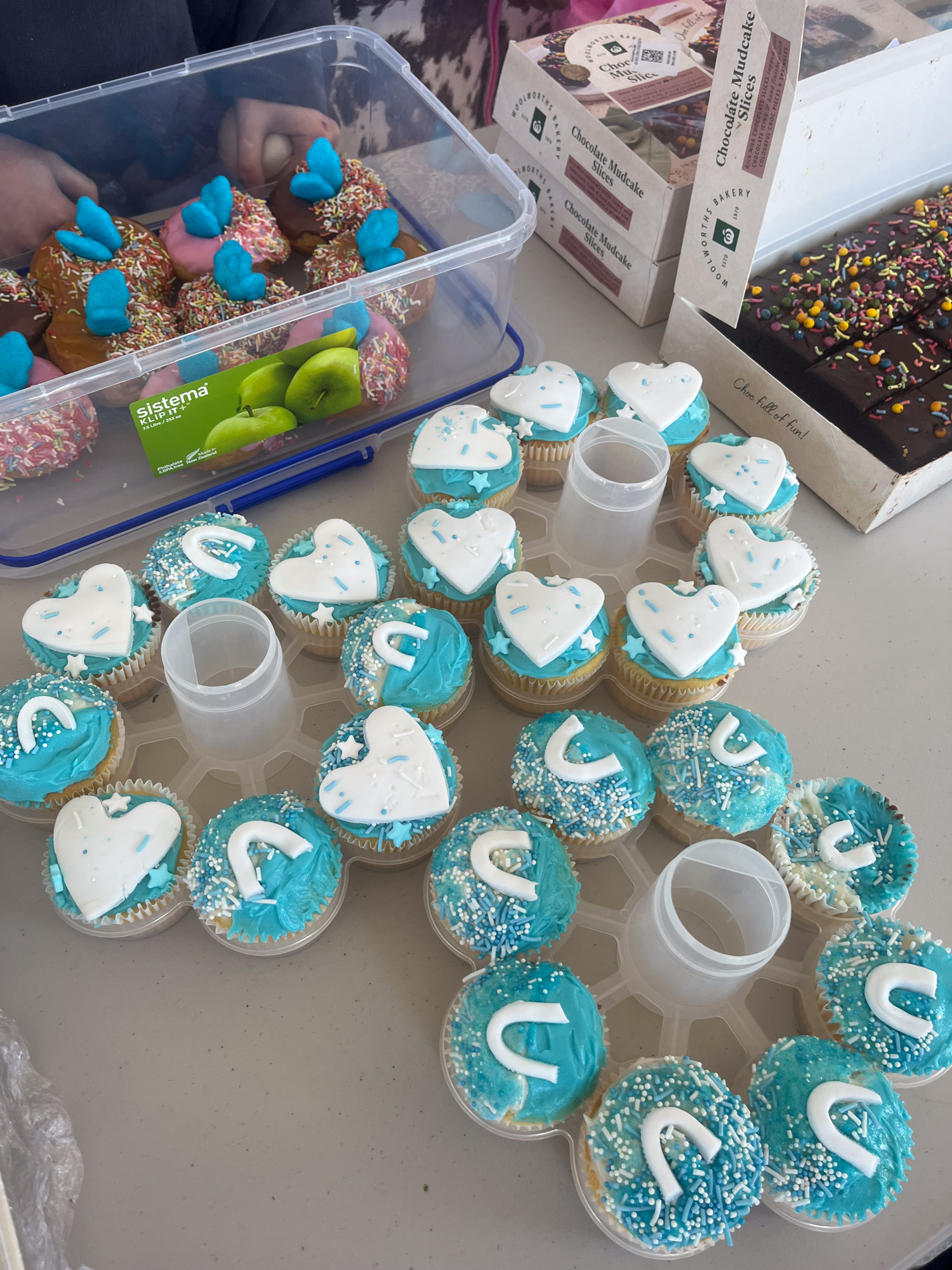
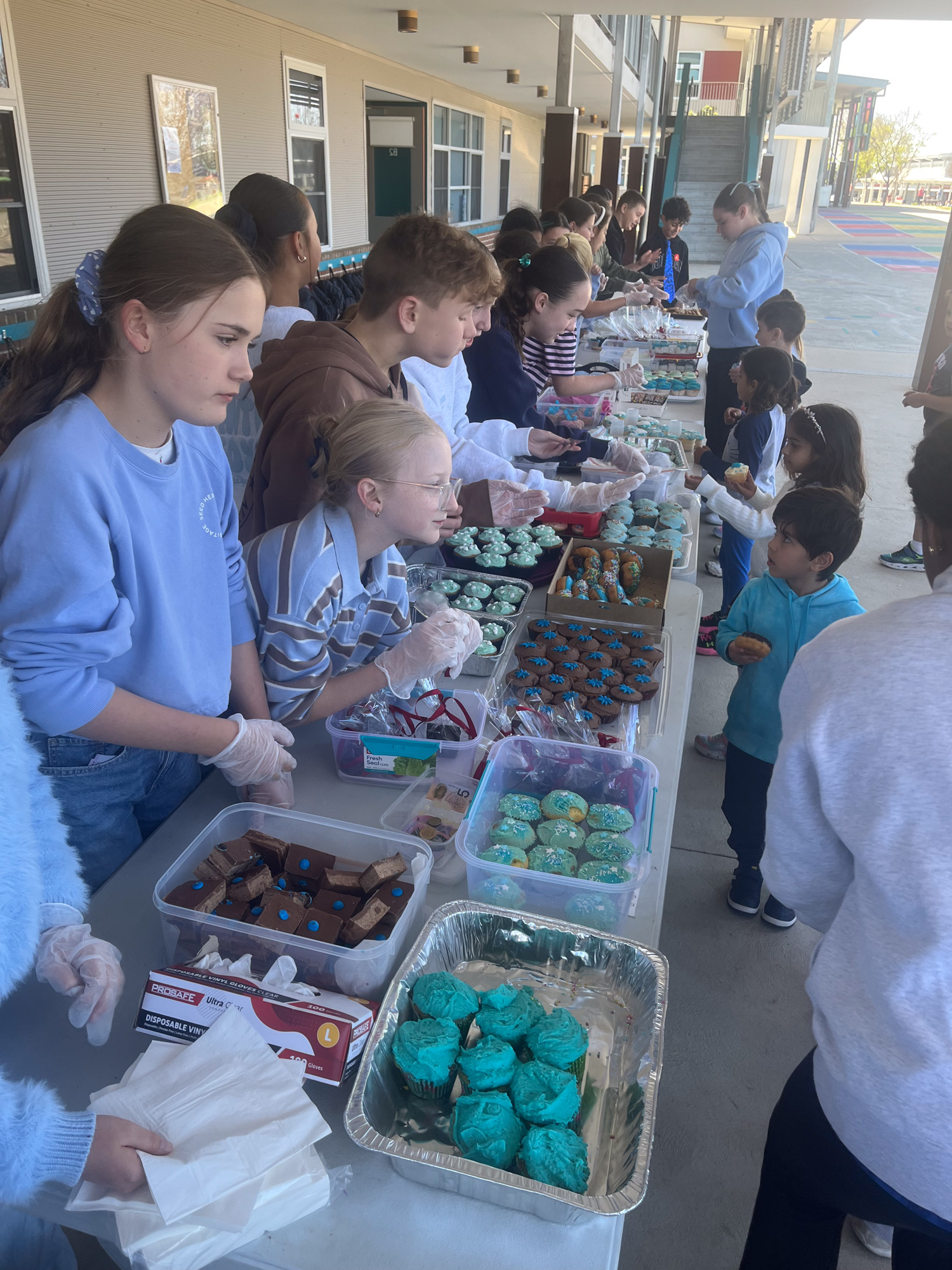
Recess brought even more excitement with our Compassion Bake Sale. Junior School Student Leaders, House Captains and CRU Representatives generously baked and donated an amazing selection of treats to sell. Keeping with the theme, many of the delicious creations were decorated in Compassion blue! The students then did a wonderful job selling their goods to the excited junior school students.
Through the non-uniform day and Bake Sale, the Junior School raised an outstanding $2,160 for our Compassion children.
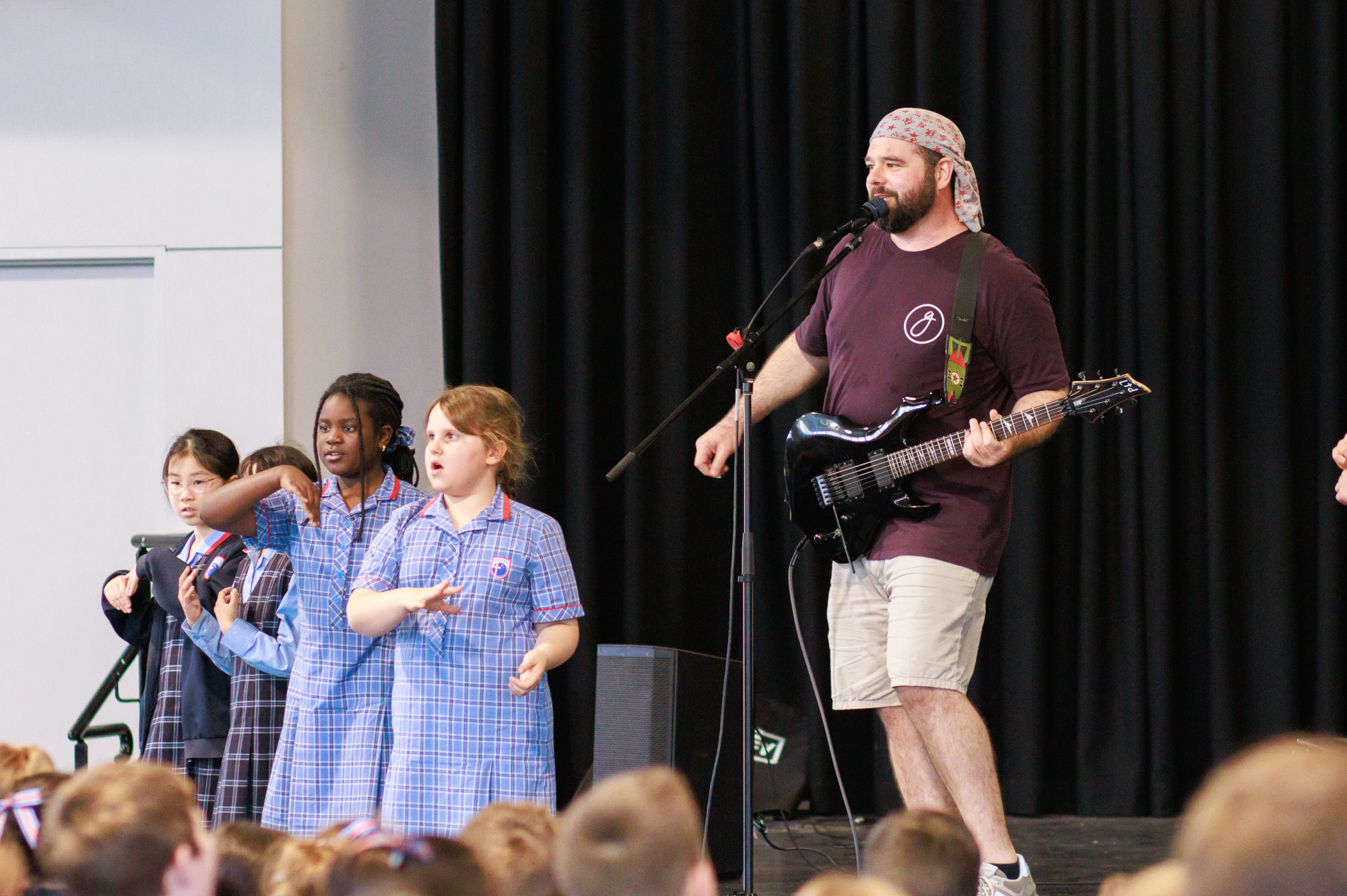
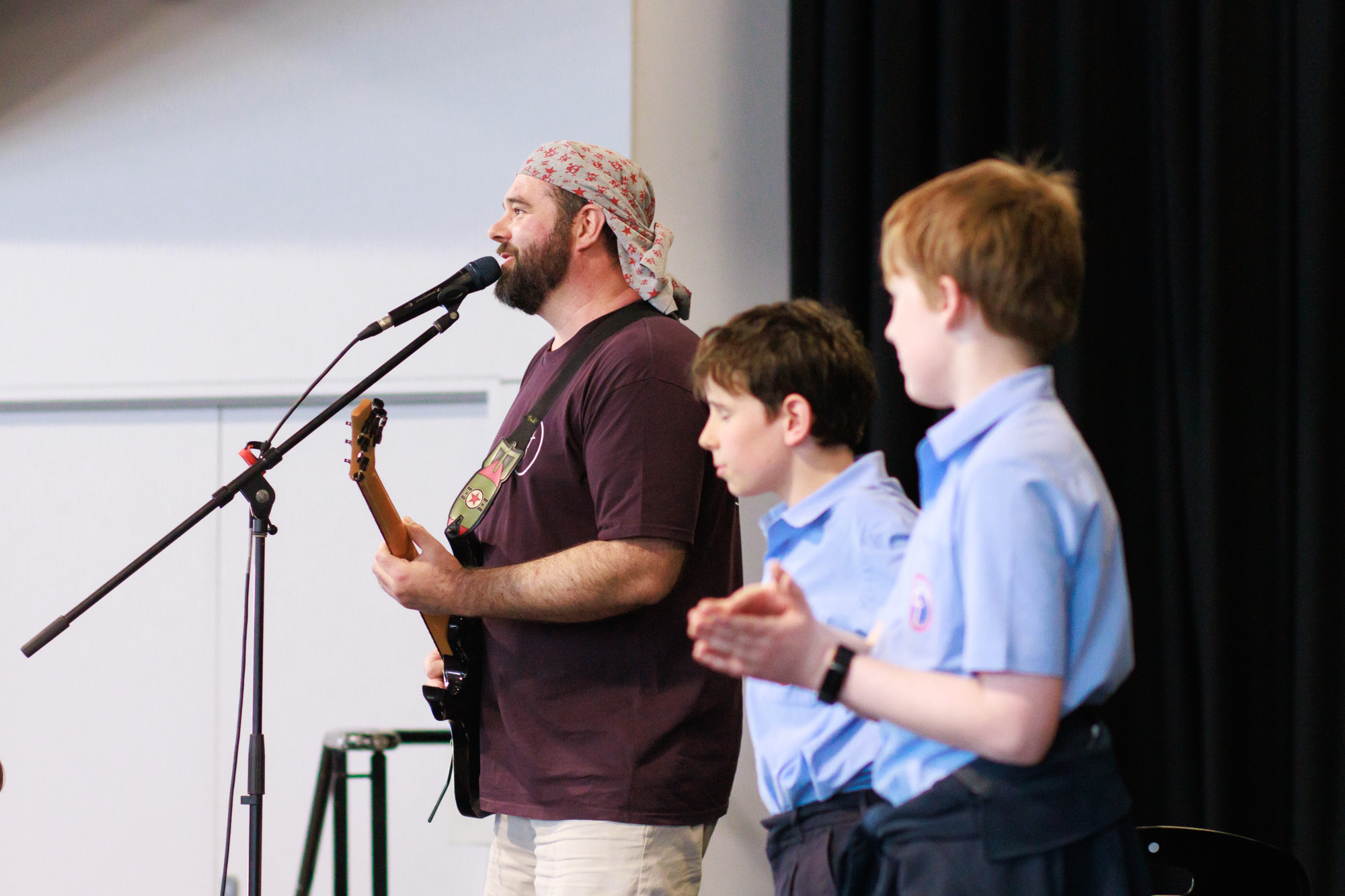
The Junior School then finished the week on a high with a fabulous Compassion Concert featuring Ben Pakula. With his guitars, energy and enthusiasm, Ben had our Chapel rocking with music and joy. It was a wonderful way to celebrate a week centred on compassion, generosity and making a difference in the lives of others.
Our Senior School students also enthusiastically joined the fundraising efforts, holding a Bake Sale, selling cans and offering slushies, raising an impressive $1,641.
A heartfelt thank you to all our students, staff and families who baked, bought, donated, dressed in blue and supported these events so generously. It was a beautiful demonstration of the caring and compassionate community we have at OPAC and a wonderful reminder that, when we work together, even small acts of generosity can make a very big difference.
Mr Luke Przydacz
Deputy Head of Junior School – Wellbeing